Volunteer in Croatia: Horse Care & Therapy Support
Support rural communities and cultural heritage—volunteer in Sinj, Croatia, and care for horses while helping with inclusive therapy programmes!

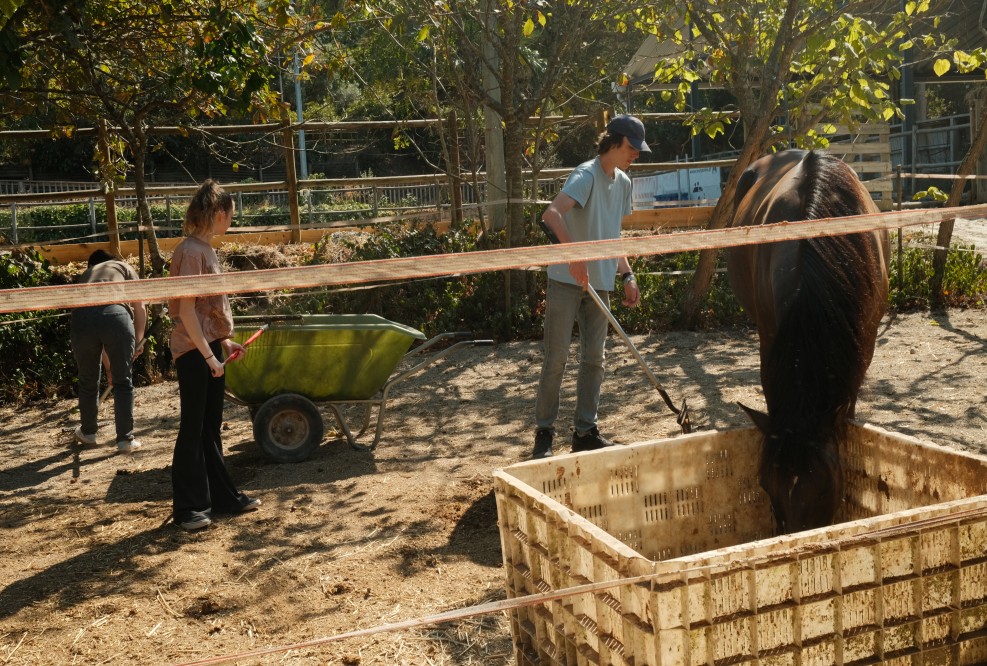
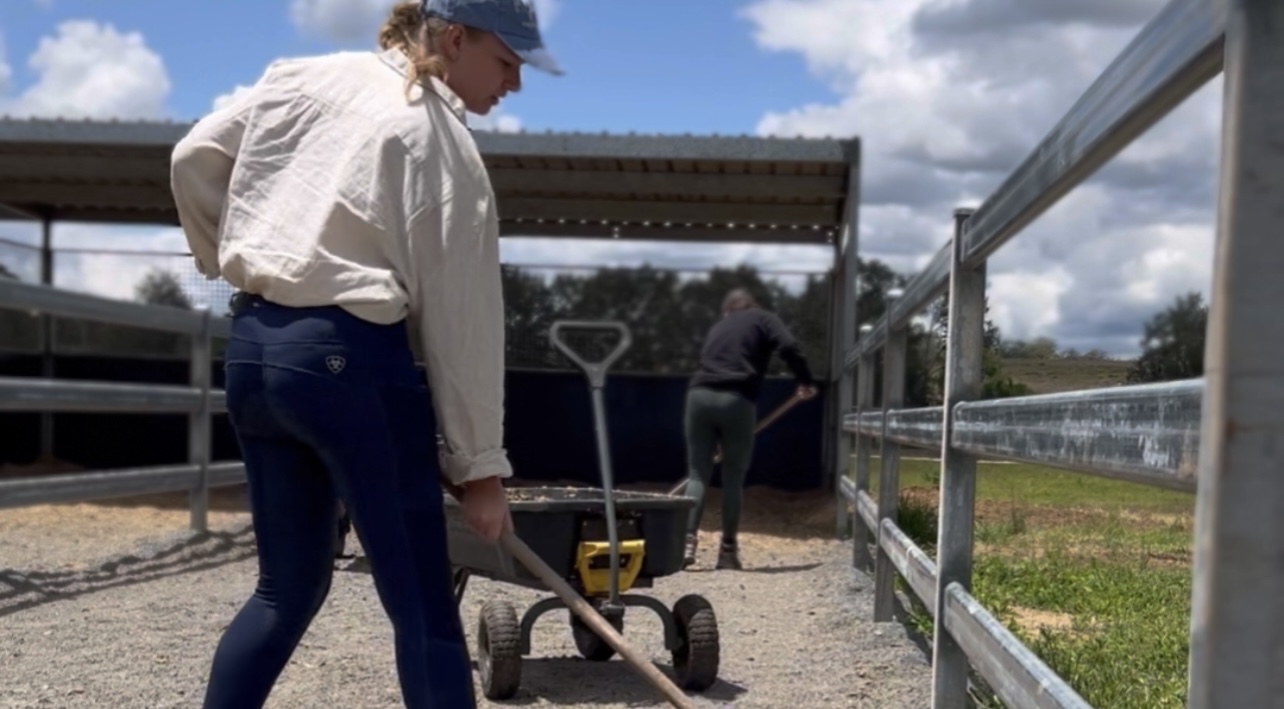
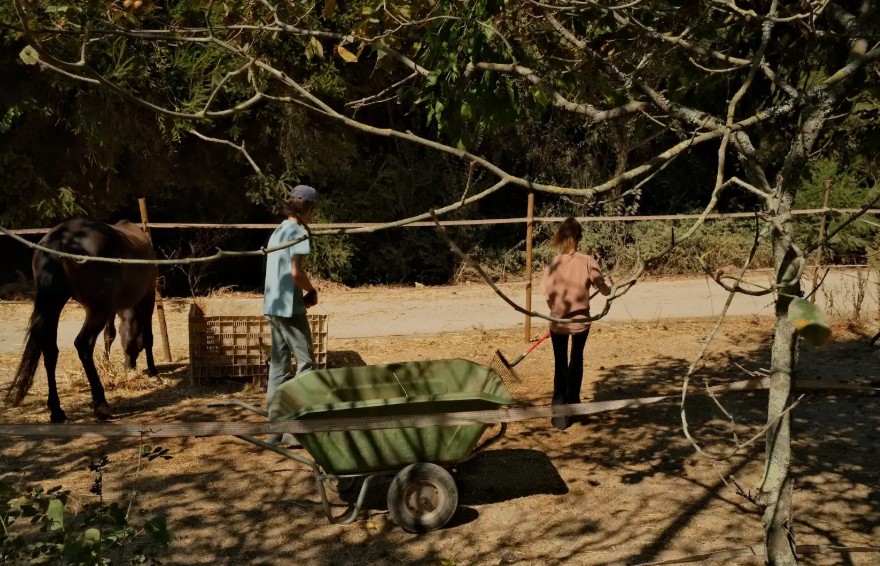
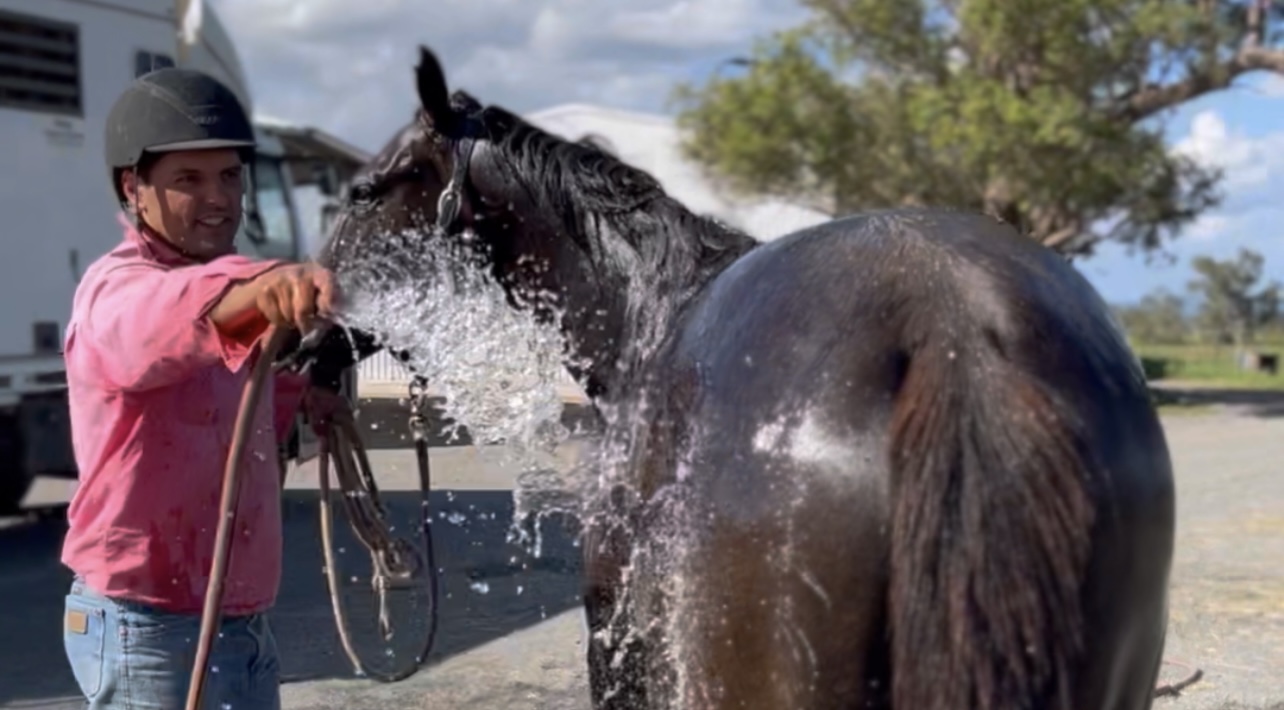
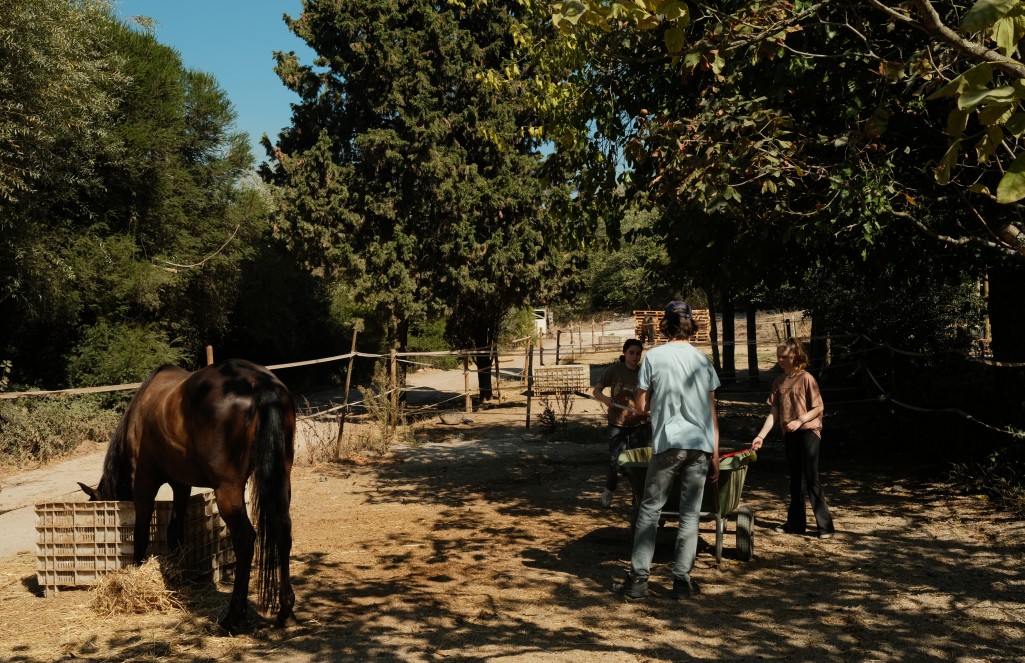
Volunteer in Croatia and join a meaningful program that combines horse care, cultural preservation and community engagement. As an Oyster volunteer, you’ll care for horses, support therapeutic riding for children with disabilities, and take part in preparations for the historic Sinjska Alka event. Help create impact through compassion, tradition, and inclusive support.
Duration: 1- 12 weeks
Dates: Click here for availability calendar
Arrival day: Sunday
Return day: Saturday
Eligibility: General level of fitness required.
Age: 18+
Share with friends...
Highlights
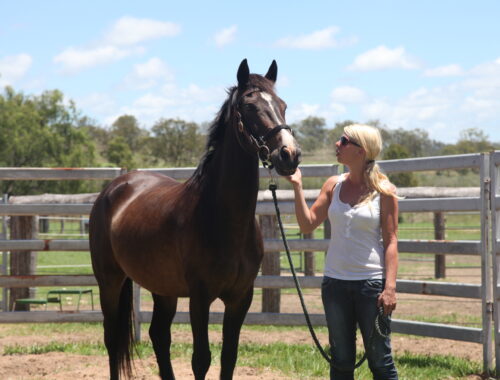
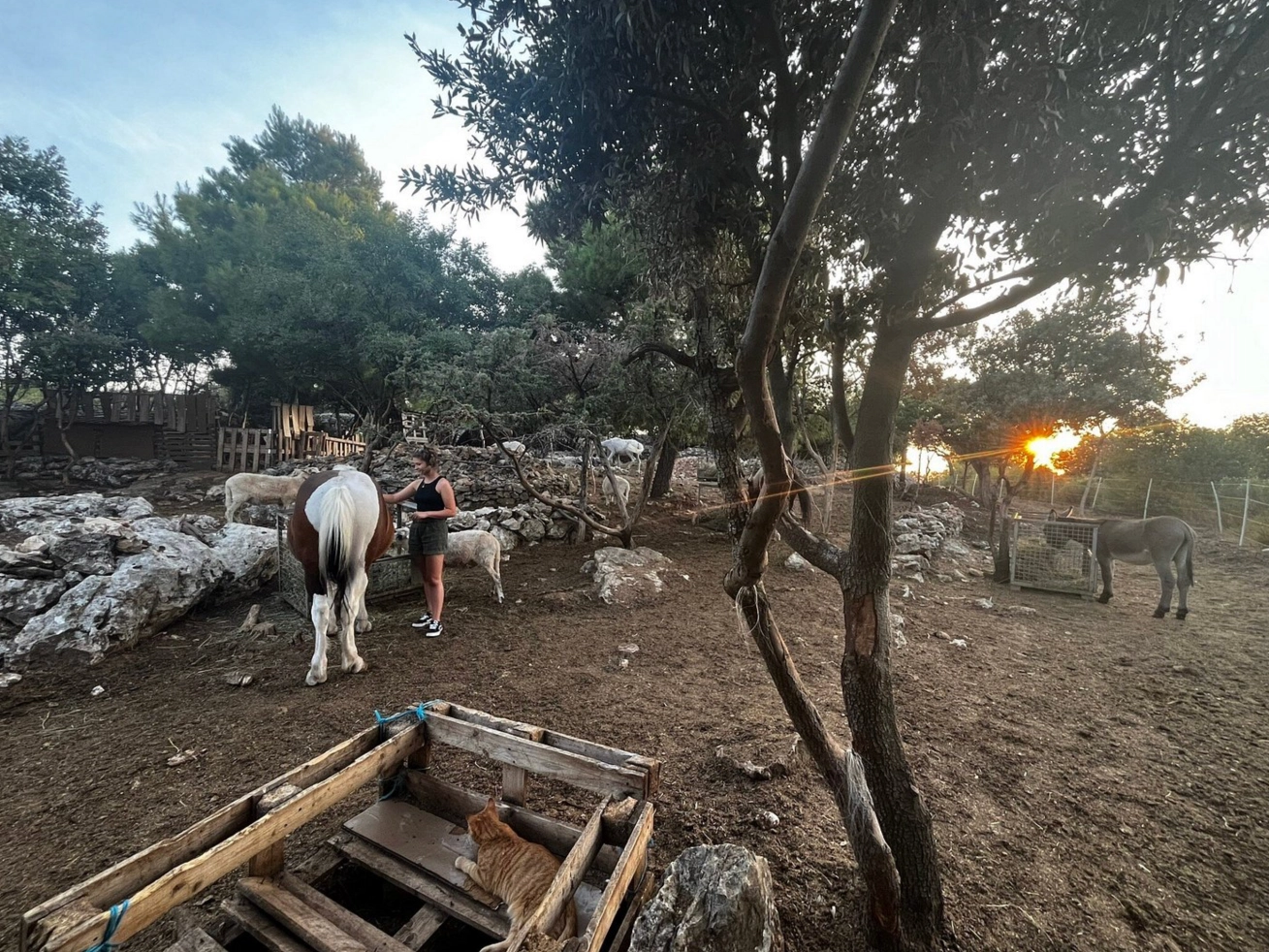
- Care for Horses: Feed, groom, and help exercise horses at a respected local riding club.
- Support Therapy Sessions: Assist children with disabilities during therapeutic riding activities.
- Preserve Cultural Heritage: Contribute to preparations for the historic Sinjska Alka equestrian event.
- Learn Through Experience: Gain hands-on knowledge of horse handling and stable management.
- Explore Croatia: Immerse yourself in the traditions and landscapes of Dalmatia while making a meaningful impact.
Caring for horses in Croatia is about more than animal welfare — it’s also about cultural heritage, rural resilience, and therapeutic support for children with disabilities. In regions like Sinj, equestrian clubs play a vital role in community life, from preserving centuries-old traditions like the Sinjska Alka to delivering essential therapy sessions and inclusive events.
This horse caretaking project gives volunteers the opportunity to support animal care, assist with therapeutic riding programs, and contribute to cultural events rooted in Croatia’s national identity. The program operates in underserved rural areas where volunteer support helps maintain stables, care for horses, and offer life-changing therapy to young people in need.
As a volunteer, you’ll take part in stable cleaning, feeding, grooming, and exercise routines — while also supporting therapeutic sessions by helping prepare horses and assist children during activities. Your contribution allows local staff to deliver more personalised care and helps ensure that both animals and beneficiaries receive the attention they deserve.
In a region where tourism often overshadows local needs, this program brings awareness and sustainable support to small towns with big cultural value. Whether you’re brushing down a horse, leading it on a ride, or helping at a community event, your involvement strengthens both animal welfare and social impact.
No experience with horses or disabilities is necessary — just a calm, respectful approach, willingness to learn, and dedication to consistent care. Volunteers receive guidance from experienced equestrian and therapy professionals and have free time to explore Croatia’s beautiful countryside.
By joining this project, you’ll support therapeutic programs, preserve cultural traditions, and directly contribute to more inclusive and sustainable community development in rural Croatia.
Your role includes daily stable maintenance, grooming and feeding horses, and aiding instructors during therapy sessions. Through your involvement, you’ll not only improve the wellbeing of the animals but also empower young participants and preserve a living piece of Croatian heritage.
- Stable Maintenance: Clean horse stables, outdoor areas and living areas, ensuring cleanliness and hygiene.
- Animal Care: Feed, brush, and care for the horses, including applying treatments if necessary.
- Exercise and Training: Walk or ride the horses for daily exercise and prepare them for riding sessions.
- Therapeutic Riding Support: Assist in preparing horses for therapeutic riding sessions and help children during the sessions.
Accommodation:
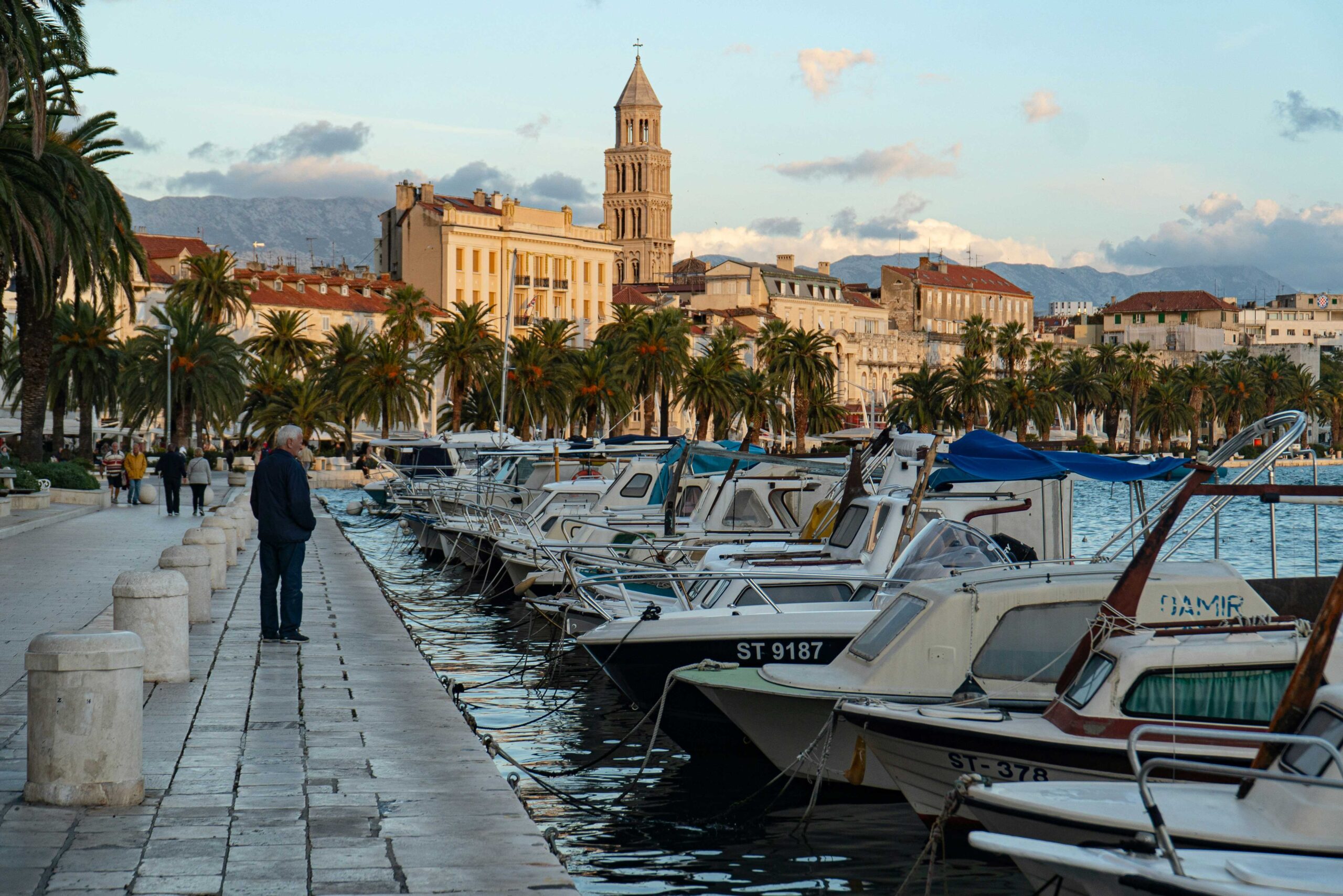
- Shared volunteer hostel in central Split 15 minutes walk from the historical old town and marina
- Share a room and bathroom with 1 – 7 other volunteers
- Single use plastics are kept to a minimum, food waste is composted or shared with those in need, furniture is built from recycled goods
- Meals included but additional kitchen, breakfast room
- TV and laundry facilities
- WiFi available throughout the house
Private accommodation upgrades are possible and dependant on availability. Please see price guide for upgrade costs and don’t hesitate to contact us for more information if you think you would like this.
Food:
- You will receive three meals per day
- Breakfast consists of fruit, breads and spreads, cereals, toast, tea and coffee
- Lunch and dinner served at a restaurant 2 minutes walk from the accommodation
- Typical Croatian food – meat, vegetables, risottos, pasta
- Food can be boxed up and taken with you when volunteering
- Provision can be made for vegetarians, vegans, gluten-free diets and lactose-free diets
Travel arrangements
Airport: Split SPU
Arrival day: Sunday. You will be collected from the airport and transferred to the accommodation
Departure day: Saturday
Included
- Access to your own personal ‘My Oyster’ account – our online portal where you can find out much more about the program and manage your booking
- Dedicated contact time with an experienced destination manager to discuss the project, answer any of your questions and for us to find out more about you
- Help and advice from our UK office before arrival and whilst you are away
- Pre-departure information covering medical, safety and project advice
- Gold level, 24/7 Pharos crisis management and incident support cover
- Financial protection: ATOL (if we book your flights).
- Thorough orientation on arrival
- In-country support
- Accommodation (see the ‘accommodation’ section above for details)
- Advice on visa requirements
- Oyster plants a tree in Africa with TreeAid to help reduce the impact of global carbon emissions
- Airport collection and transfer to your accommodation
- Three meals per day
- 2 hour guided tour of Split
- Linen and towels
On your return:
- Welcome home pack
- Certificate of Recognition (on request)
- References (on request)
Not Included
- Flights – as an ATOL bonded company, Oyster can book flights for you
- You need a valid passport that meets the requirements of the country you will be travelling to
- Insurance (covering your time with Oyster and any planned independent travel)
- Any costs associated with changing your return flight date if you need to
- Independent travel costs
- Home country travel costs
- Spending money for additional trips, food and entertainment
- Daily transport to Sinj – return bus tickets cost 8.20EUR per day
- Return transport to the airport
FAQ's
Project runs Monday – Friday. Your first day is spent on an induction with the local team in Split, then you will join the project on the Tuesday to meet the staff and receive your project orientation.
Volunteers work up to 5 hours daily. Days can vary depending on the project requirements and tasks are centred around the needs of the project and animals. An example itinerary is:
8:00 – 10:00: Breakfast
10:00 – 13:00: Morning shift
13:30 – 14:30: Lunch
14:30 – 18:00: Relaxation and travel time. Usually your afternoons will be free to relax, take some trips or do some exploring in and around the city
18:00 – 21:00 Dinner time
Supervision will be fairly intensive during the first few days, when you will receive a thorough induction and work-related training. Once you are comfortable with things, you might not always have a supervisor working alongside you, but there will always be staff and other volunteers around to help, and you will always be accompanied for any high risk activities.
Staff at Oyster’s head office and in-country will be responsible for your safety and welfare while you are at the project. This will start from the moment you are picked up from the airport until the end of your project. Before and after these times, you will be outside Oyster’s responsibility and should make sure that you act safely and avoid risk. This is also true if you choose to leave the project during your time off. We will give you plenty of guidance and advice about this.
Oyster assesses projects carefully to ensure that they offer high standards of animal welfare and environmental practice. We also check that volunteers understand key points of good practice before working with animals. To find out more, see our animal welfare policy.
We always advise booking as soon as you can to guarantee your ideal dates, especially if you want to volunteer during the busy summer months. This also gives you more time to prepare and it means we can break your payment down into manageable instalments, spaced out between when you book and a few months before travel. To read more about our booking process, just click here.
- Summer (June to August): Experience warm temperatures, vibrant beach life, and numerous festivals. This is the peak tourist season, ideal for swimming, sunbathing, and outdoor activities.
- Late Spring (May): Enjoy pleasant weather with fewer crowds, making it perfect for exploring historical sites, hiking, and enjoying outdoor adventures.
- Early Fall (September to October): Experience mild temperatures and a relaxing atmosphere as summer crowds disperse. This is a great time for water sports, local events, and enjoying the stunning autumn scenery.
- Spring (April): Witness blooming nature and mild weather, which is great for hiking and outdoor exploration, with fewer tourists compared to the summer months.
- Winter (November to March): For those who prefer a quiet retreat, winter offers a peaceful atmosphere, lower accommodation prices, and the chance to enjoy local culture without the hustle and bustle of peak tourist season.
We would recommend budgeting approximately 80-100EUR a week for your bus to the project site each day, and any free time activities.
There are cash machines located all over Split and you can pay by card for almost everything. You should take at least two cards with you, and let your bank know that you will be going to Croatia.
Typically you won’t need a visa for stays up to 3 months, as you will be travelling as a tourist. You should make sure your passport is valid for the duration of your stay.
The simple answer to this question is, yes absolutely!
It is important to bear in mind however that this may not be like other holidays that you have taken. Remember that you are volunteering in Croatia, and this means that you will be put to work! This sort of holiday is a world away from sun loungers and cocktails, with our volunteers often heading home tired but immensely satisfied. If you think that you will need a bit of relaxing time on your trip too, do make sure to factor this in when your time on the project is complete.
Most of our volunteers are independent travellers and you will become part of a group of people from around the world here. It is fine to travel with friends or as part of a small group too however- more the merrier!
You should visit your doctor or travel nurse to find out what vaccinations you will need. Your routine vaccinations will need to be up to date. You should always follow your doctor’s advice.
Doctors, pharmacies and hospitals are located in within 5 – 20 minutes of the accommodation in Split.
Split is generally considered a safe destination for tourists. Here are some key points regarding safety in Split:
- Low Crime Rate: Split has a relatively low crime rate compared to other European cities. Petty crime, such as pickpocketing, can occur, especially in crowded areas or tourist hotspots, so it’s essential to stay vigilant.
- Safe Transportation: Public transportation, including buses and ferries, is safe and reliable. Taxis and rideshare services are also available, and they operate under strict regulations.
- Emergency Services: The city has well-established emergency services, including police and medical facilities. Emergency numbers, such as 112 for general emergencies, are easily accessible.
- Tourist-Friendly Environment: Local residents are generally friendly and helpful towards tourists. English is widely spoken in tourist areas, making it easier to communicate and seek assistance if needed.
- Health Precautions: While Split is safe, it’s always good practice to be aware of health guidelines, especially regarding food and water safety. It’s advisable to drink bottled water and be cautious with street food.
Overall, with standard safety precautions – such as avoiding poorly lit areas at night and securing personal belongings – visitors can enjoy a pleasant and safe experience in Split.
There is free Wifi provided at the volunteer house. You will receive a free local SIM card on arrival. Make sure that your phone is unlocked before arrival so that you can use the local SIM card.
If you don’t already have it, we recommend that you download Whatsapp when you make your booking, as a member of the local team with be in touch with you there prior to arrival, and they will also add you into the volunteer group once you are in Split.
There is excellent phone reception in Split
You will need a European plug, Type C and Type F.
Croatia is in the Central European Time Zone (CET), which is UTC+1. During Daylight Saving Time (DST), from the last Sunday in March to the last Sunday in October, Croatia observes Central European Summer Time (CEST), which is UTC+2.
Project Reviews
“Had a great time working with horses in Croatia. Everybody involved was really kind and helpful, and the trip went smoothly. It was also very helpful that this could be done as a DofE Residential, and Oyster have been helpful in getting back to us with Assessor’s reports.” Will and Daisy, 1 week, December 2025
 “Had a great time working with horses in Croatia. Everybody involved was really kind and helpful, and the trip went smoothly. It was also very helpful that this could be done as a DofE Residential, and Oyster have been helpful in getting back to us with Assessor’s reports.”
Would you like to chat to Kate, who manages this programme? Just call +44 (0) 1892 771 973 or email: – [email protected].
Ask a Question