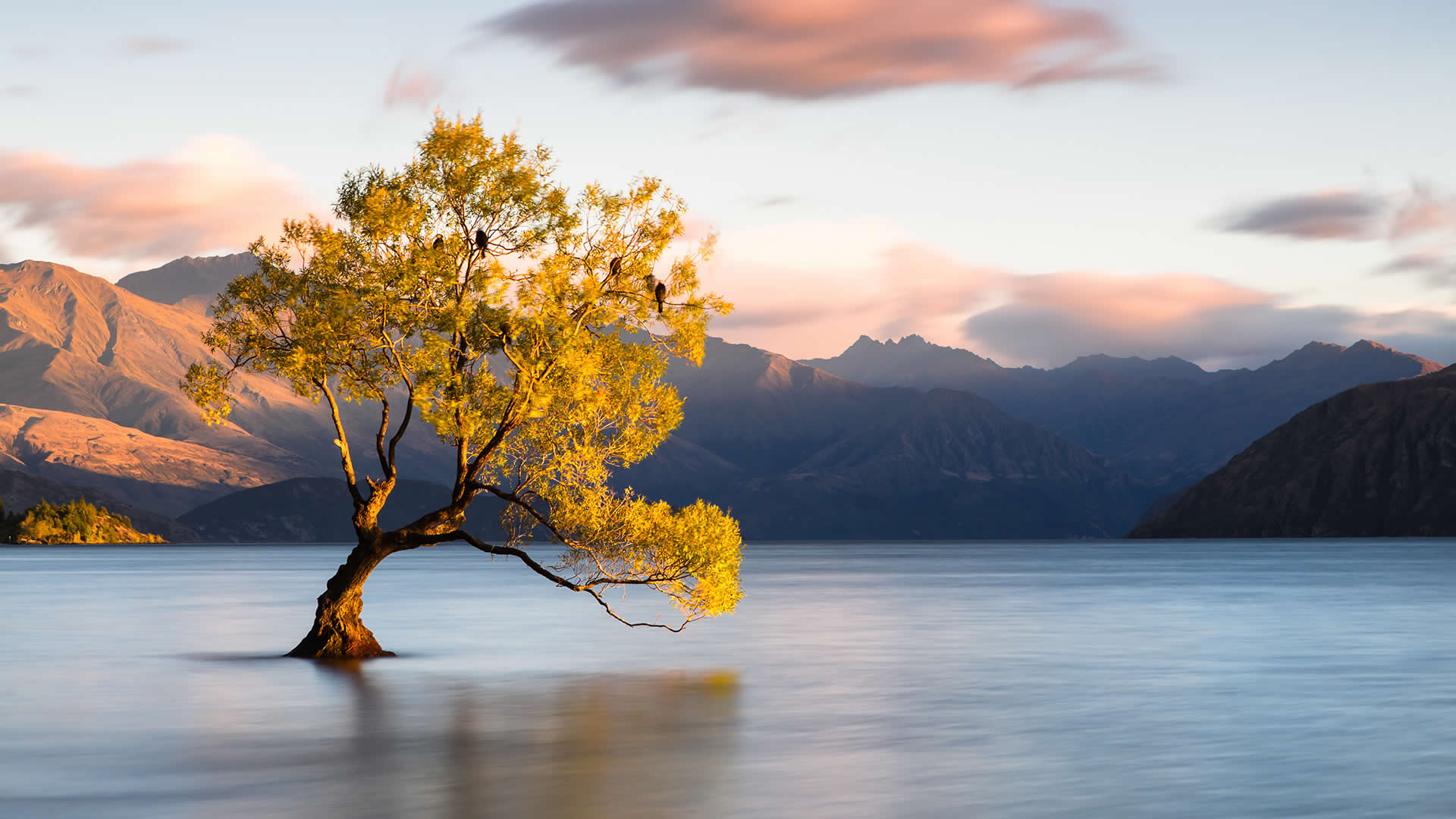
Conservation volunteering in New Zealand
Volunteer on conservation projects in New Zealand – protect native ecosystems and explore stunning natural landscapes with a like-minded team
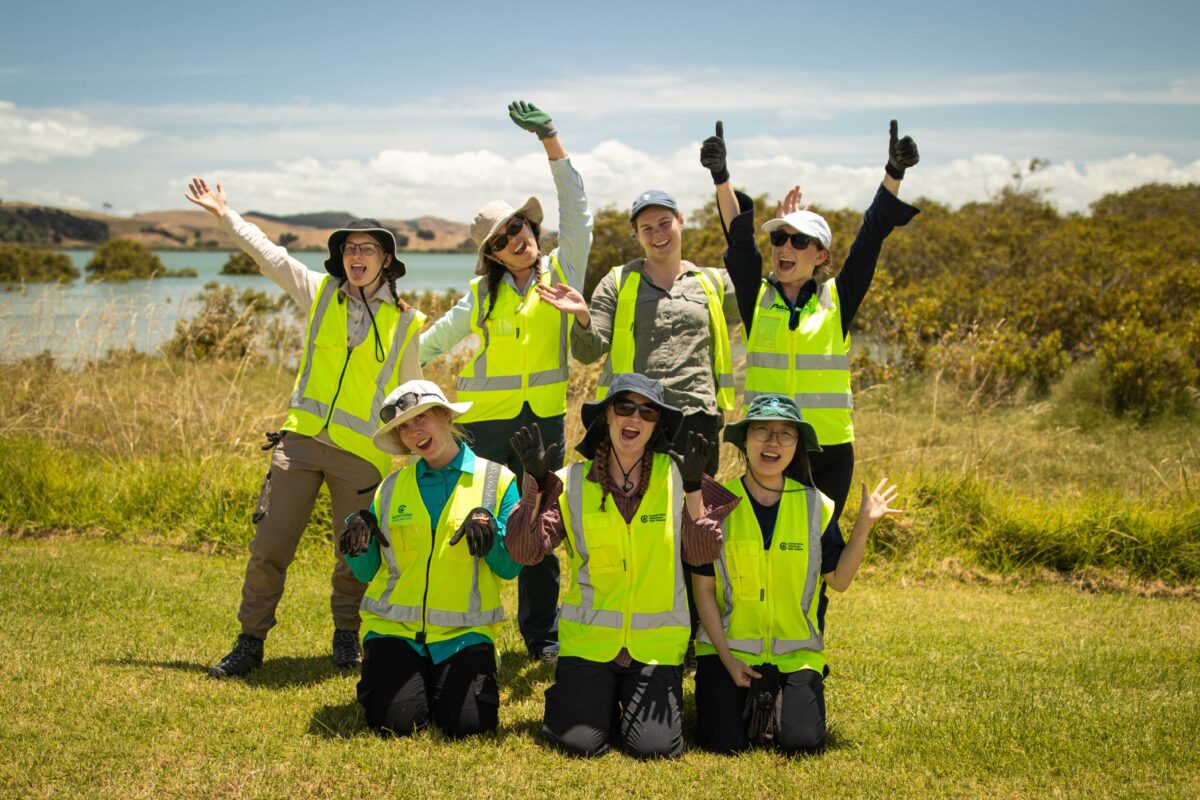
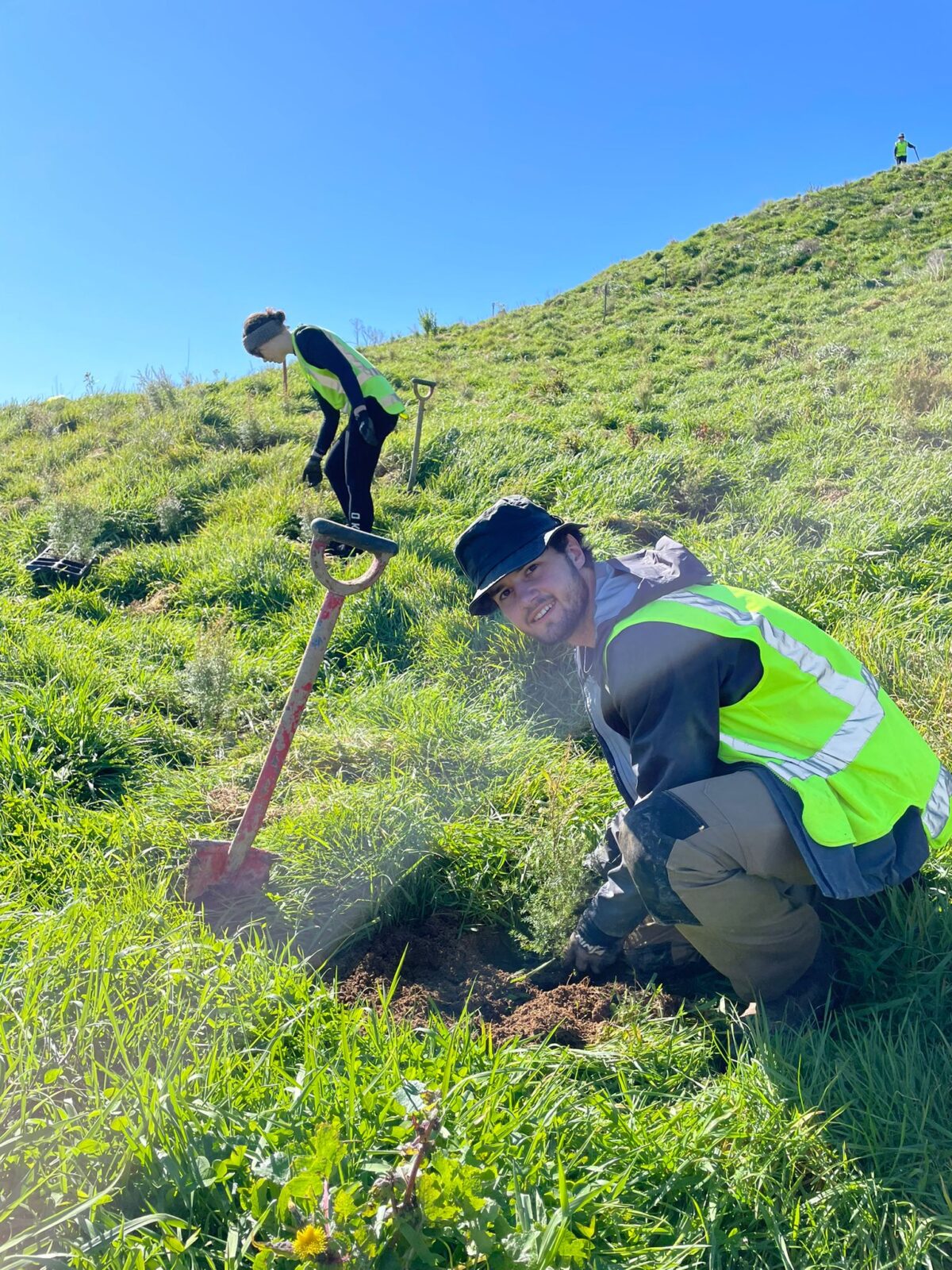
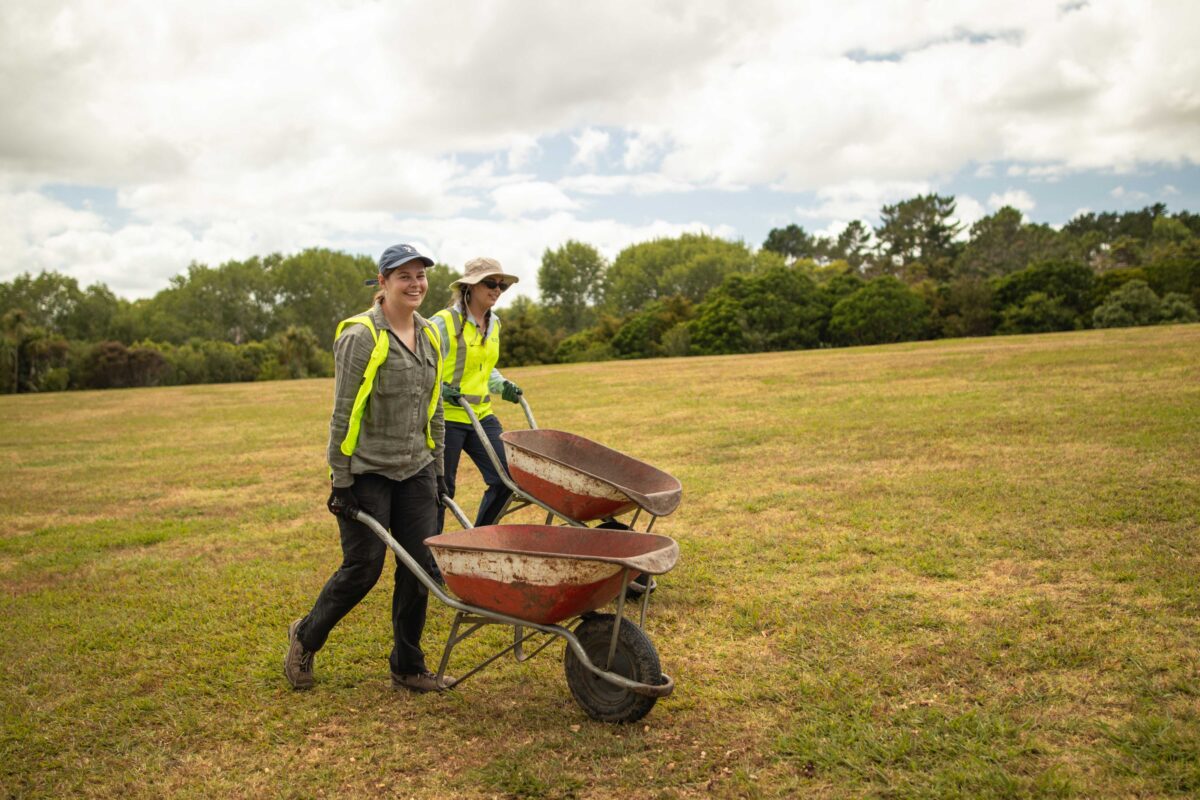
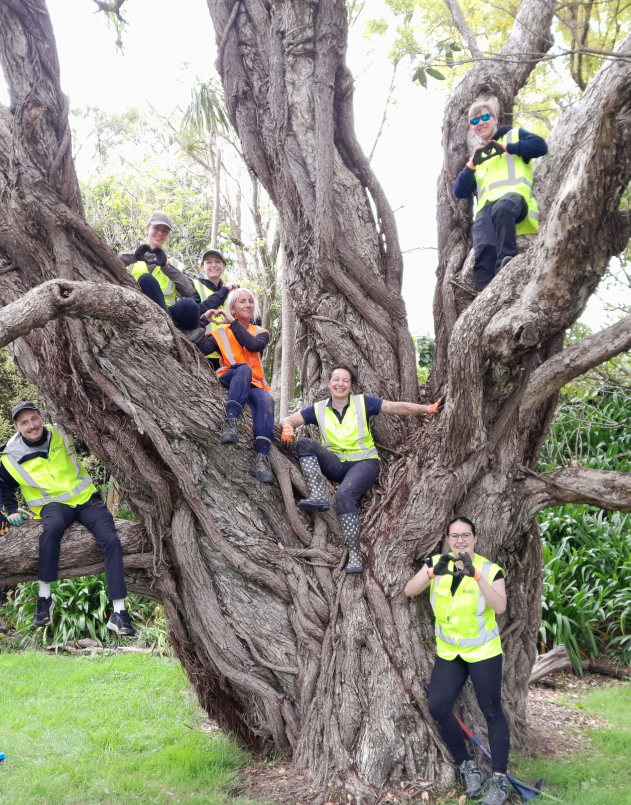
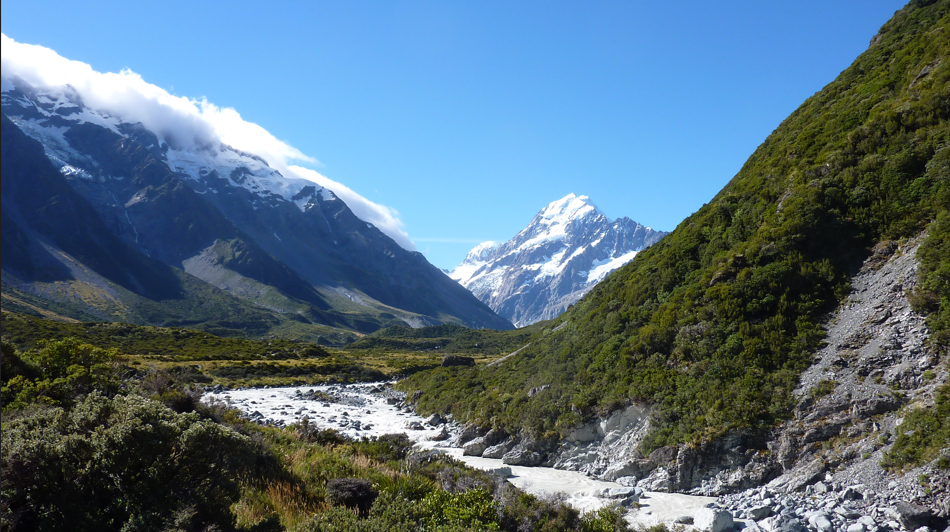
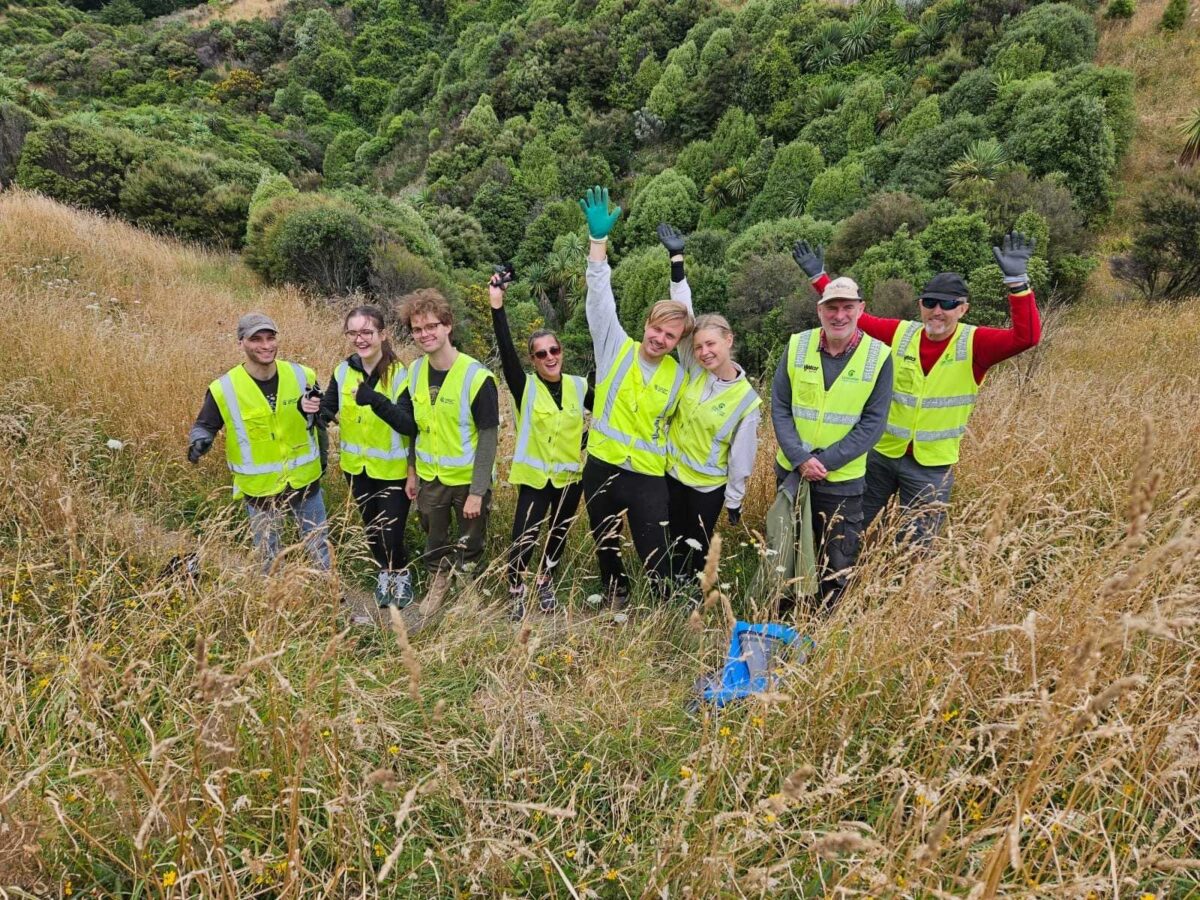
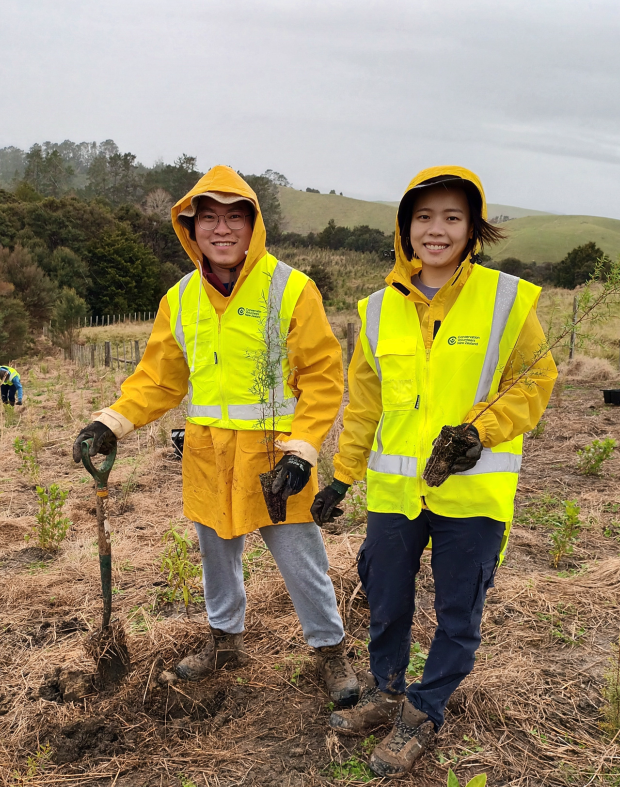
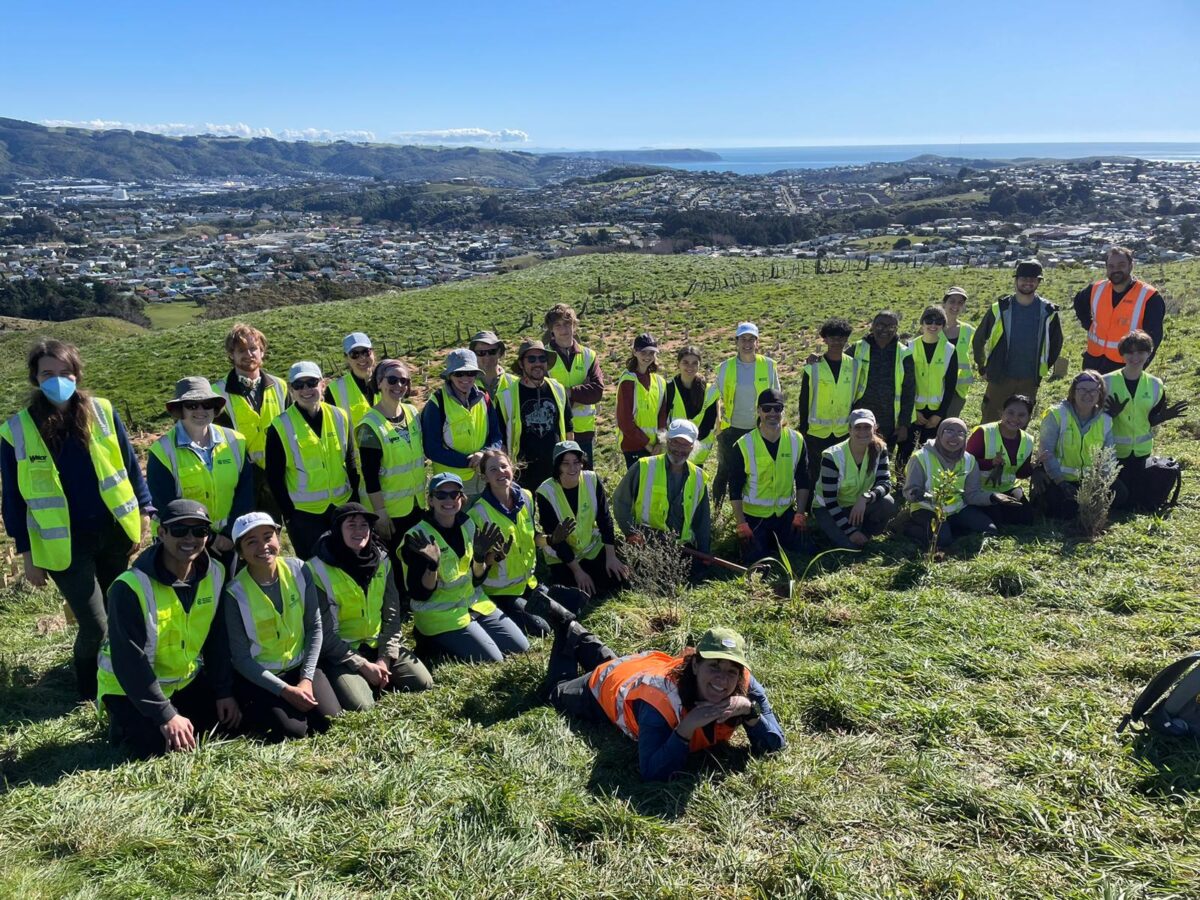
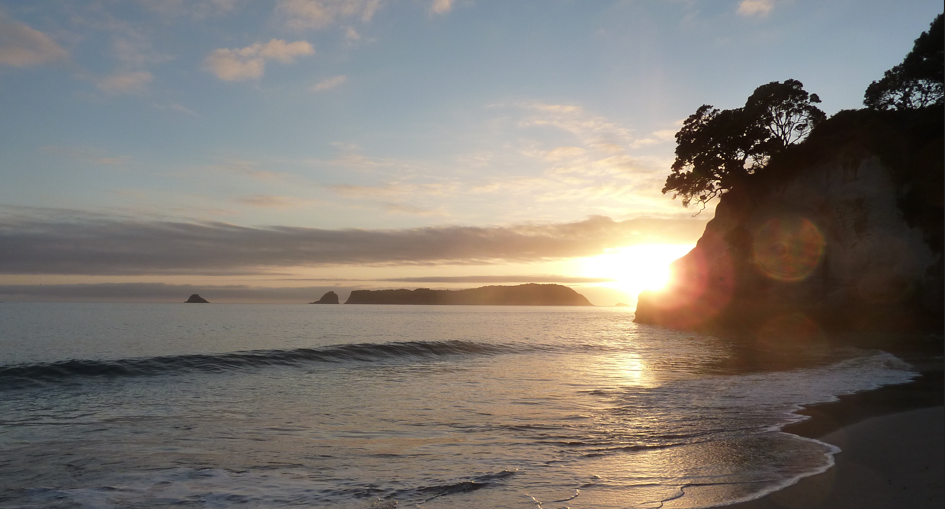
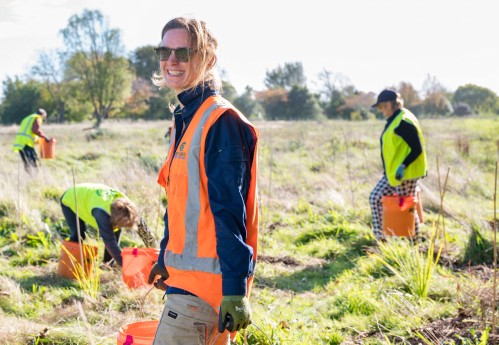
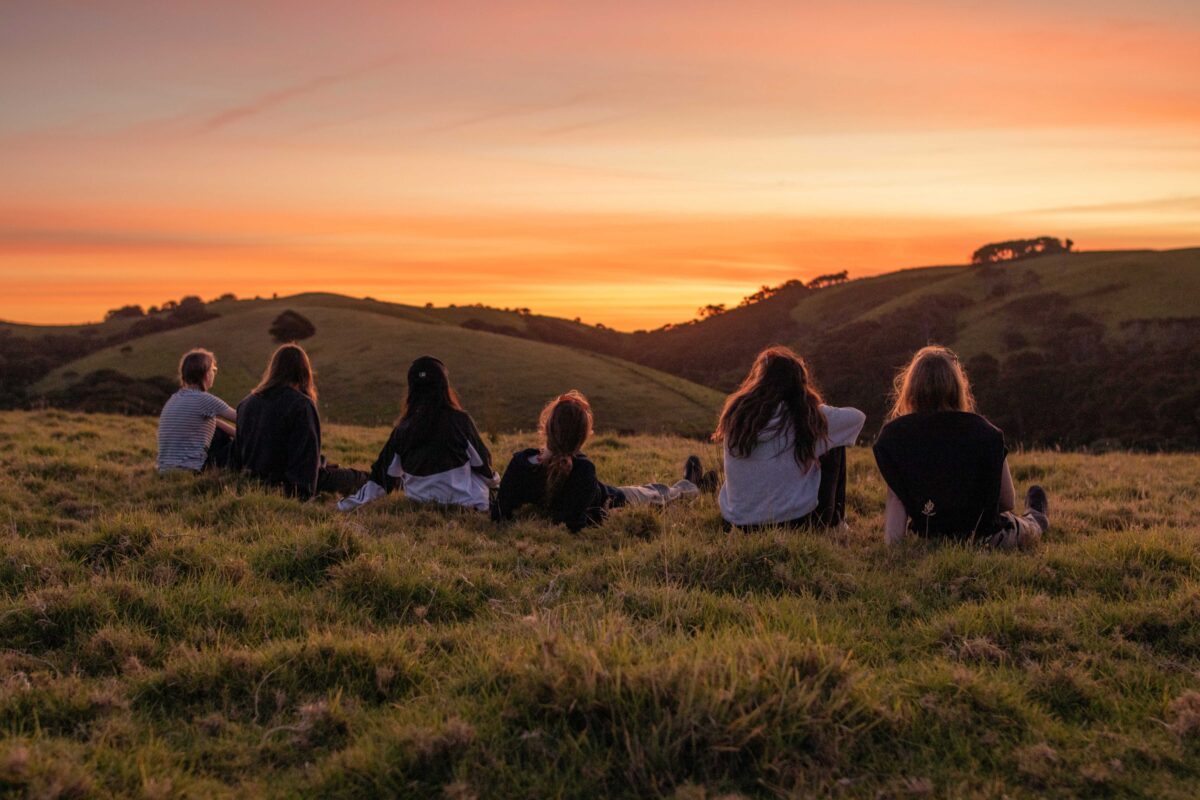
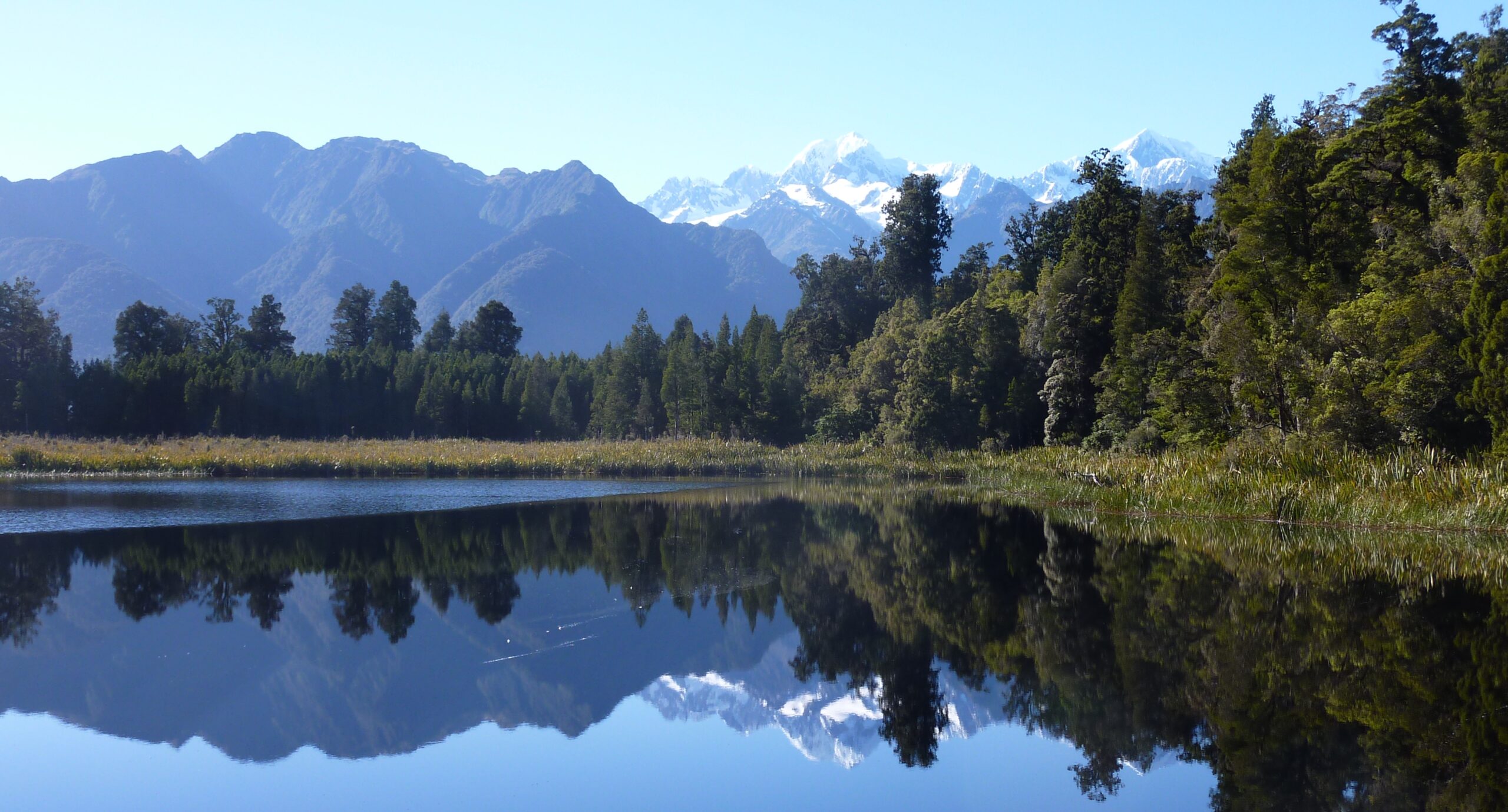
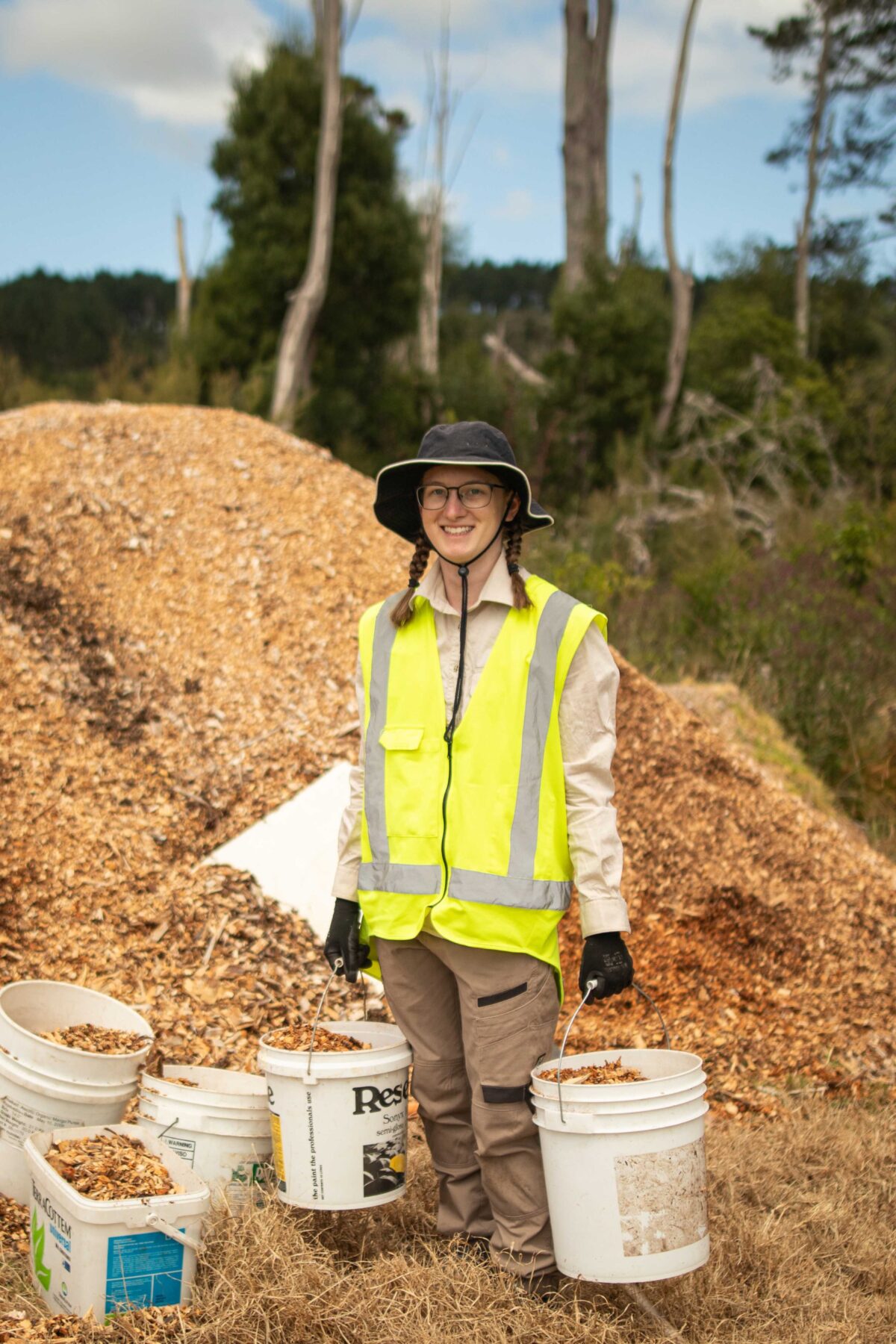
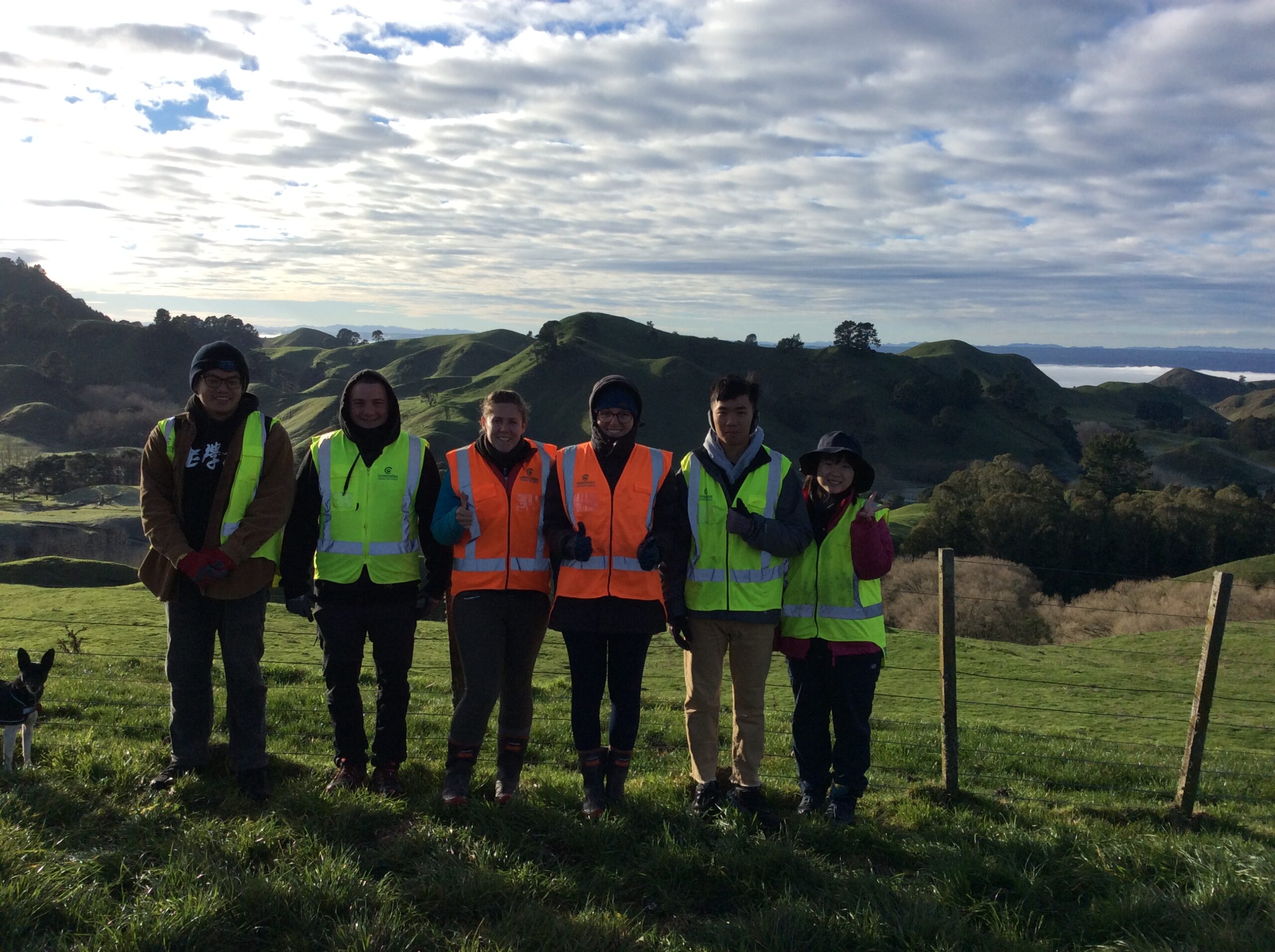
Protect the pristine beauty of Aotearoa on a conservation adventure like no other! You will join a team of passionate locals, to gain hands-on experience in some of the most spectacular natural landscapes on Earth. Whether you are on a gap year, a career break, or enjoying retirement, we invite you to immerse yourself in New Zealand’s culture of care for the natural world. Choose one or more locations from the options below, and help to safeguard these precious ecosystems for generations to come.
Duration: 1 – 12 weeks
Dates: Click here for availability calendar
Arrival day: Friday
Return day: Friday
Eligibility: General level of fitness required
Age: 18+
Share with friends...
Highlights
- Help to maintain National Parks, coasts and waterways, flora and fauna and cultural heritage sites
- Enjoy volunteering in a variety of stunning locations, enabling you to witness the diversity of New Zealand’s landscapes
- Get to know the people and culture of your dynamic gateway city and enjoy local sightseeing
- Meet like-minded volunteers on your project and enjoy weekends exploring local points of interest
- Add a conservation career course to support and apply for jobs after your trip
Aotearoa (New Zealand)’s legacy is defined by its landscapes, which form the bedrock of the national identity. Kiwis take immense pride in their unique environmental status and indigenous culture; consequently, the inhabitants of the “Land of the Long White Cloud” are deeply committed to preserving the natural beauty they have inherited.
The nation boasts 13 protected National Parks, encompassing some of the world’s most spectacular alpine and maritime scenery. Notable among these is Tongariro National Park, distinguished as one of only 29 dual-status UNESCO World Heritage Sites.
While New Zealanders share a profound bond with their coasts and waterways, these ecosystems face significant challenges, including coastal erosion, rising salinity, and the pressures of pollution. In recent years, the region has suffered from a loss of biodiversity and the spread of invasive pests. Furthermore, the environment remains vulnerable to natural disasters such as earthquakes and floods, as well as man-made crises like oil spills. This is why volunteer work is so vital. By helping to maintain the harmony of these precious areas, volunteers ensure they can be enjoyed by locals and visitors alike for generations to come.
As a volunteer in New Zealand, you will play a vital role in preserving urban, regional, and remote locations. Your daily tasks will vary depending on the season and local needs, but typically include:
-
Reforestation: Planting native trees and working in plant nurseries.
-
Maintenance: Constructing walking trails and maintaining protective fencing.
-
Restoration: Habitat and coastal restoration for native birds, lizards, insects, fish, and penguins.
-
Environmental protection: Seed collection, weed and invasive species control, and litter clean-ups.
You will work in a group of up to 8 volunteers under the guidance of a dedicated conservation team leader. They will provide thorough training, regular safety briefings, and insights into the specific aims of each project, helping your group work effectively and safely together.
We operate from three vibrant hubs, each offering a unique, fun environment and varying conservation challenges. You can choose to volunteer at one or all of the locations, so just let us know your preference when you book:
Auckland – Tāmaki Makaurau (North Island)
In Auckland, we are focused on bringing biodiversity back to Aotearoa’s largest city. You will support te taiao (the natural world) through large-scale native plantings at Ātiu Creek Regional Park and the Papakura Stream. Other projects involve trail maintenance, invasive weed removal, and litter clean-ups in beloved spots like the Hunua Ranges and the islands of the Hauraki Gulf. It is an incredible location for those who love exploring forests, wetlands, and coastal parklands.
Wellington –Te Whanganui-a-Tara (North Island)
Around the capital city, we work to restore and protect the city’s iconic regional parks and reserves. You will work across a diverse range of sites, from rugged hillsides and lush native forests to coastal areas. A key focus is the Anamata Stream Restoration Project, where we work alongside local community groups and landowners to reduce erosion and promote biodiversity. This is the perfect hub for those who want to connect with some of the city’s most cherished natural spaces.
Christchurch – Ōtautahi (South Island)
In Christchurch, our mission is to restore river corridors and wetlands to better protect the region’s waterways and native wildlife. You will spend time at our main site on the Ōtākaro Avon River Corridor, as well as smaller projects around the city and the beautiful Whakaraupō (Lyttelton Harbour). Activities focus on coastal restoration, seed collection, and eradicating invasive plants to provide “new heritage” land for future generations to enjoy.
Accommodation is provided during your volunteer time in a hostel or a volunteer house – this varies depending across the locations, but it will always be sociable and comfortable. We recommend that you take a sleeping bag and sleeping mat, and be prepared to share a room.
Food is included – even at weekends when you won’t be volunteering – but prepare to get stuck in with the preparation of meals, cleaning dishes and any other household duties that need to be done. This is a fun way of getting involved and becoming part of the team, and it’s always something volunteers love doing together!
Please note that we can cater for most dietary requirements (i.e. vegan, gluten free, nut free), however if you have very specific dietary requirements or food allergies it is important that you inform us, as in that case you may need to provide your own food. This helps us to ensure your safety and wellbeing while you volunteer.
No previous experience or formal qualifications are necessary, and all ages from 18 and up are very welcome. All we ask for is a passion for the natural environment, plenty of enthusiasm and a good level of physical fitness. If you are ready to get stuck in and help protect New Zealand’s unique biodiversity, we would love to have you on the team!
Travel arrangements
Airport: Auckland, Wellington or Christchurch
Arrival day: Friday. You will receive a full orientation on arrival and will begin volunteering on Monday
Finish day: Friday at 4pm – so onward flights should be booked to leave no sooner than Saturday
Included
- Access to your own personal ‘My Oyster’ account – our online portal where you can find out much more about the program and manage your booking
- Dedicated contact time with an experienced destination manager to discuss the project, answer any of your questions and for us to find out more about you
- Help and advice from our UK office before arrival and whilst you are away
- Pre-departure information covering medical, safety and project advice
- Gold level, 24/7 Pharos crisis management and incident support cover
- Financial protection: ATOL (if we book your flights).
- Thorough orientation on arrival
- In-country support
- Accommodation (see the ‘accommodation’ section above for details)
- Advice on visa requirements
- Oyster plants a tree in Africa with TreeAid to help reduce the impact of global carbon emissions
- Food – including on free days (weekends)
- Daily travel costs related to the project
- Project and safety training
- Certificate of Appreciation at conclusion of programme
On your return:
- Welcome home pack
- Certificate of recognition (on request)
- References (on request)
Not Included
- Flights – as an ATOL bonded company, Oyster can book flights for you
- You need a valid passport that meets the requirements of the country you will be travelling to
- Insurance (covering your time with Oyster and any planned independent travel)
- Any costs associated with changing your return flight date if you need to
- Independent travel costs
- Home country travel costs
- Spending money for additional trips, food and entertainment
- Tourist visa
- Travel costs to the gateway city meeting point
FAQ's
The programme runs from Monday to Friday from 8am to 4pm, with weekends free. Each day you’ll be working in a different location and tasks will be assigned depending on the needs of the project and in response to mother nature!
Team leaders typically decide what volunteers will be doing around 1–2 weeks before your arrival. You will then find out exactly what activities you’ll be doing during your induction on arrival. At the beginning of each day your team leader will run through the plan for the day as well as any safety procedures, and instruct you on how to perform the task in hand.
On evenings and weekends food and accommodation is still provided but you will have free time to socialise or explore independently. Team coordinators are happy to provide lots of ideas for things to see and do, so that you can make the most of the exciting location you are in and fully immerse yourself into local Kiwi community life.
You can chose from three locations – Auckland, Wellington and Christchurch – all vibrant landscapes with their own unique character! To read more about the different locations, do have a read through the ‘Project locations’ section above.
Yes! This is a fantastic way to see both the North and South Islands, and experience the rich diversity of New Zealand.
If you decide to visit multiple locations, just bear in mind that you will need to organise and fund your own transport between your chosen cities. We also ask that you run any flights by us before you book, so that we can make sure the arrival times work with the local team.
Whilst late-availability is often possible, we always advise booking as soon as you can to guarantee your ideal dates. This also gives you more time to prepare and it means we can break your payment down into manageable instalments, spaced out between when you book and a few months before travel. To read more about our booking process, just click here.
Absolutely! While most our volunteers join us as independent travellers, we warmly welcome bookings from friends and pairs. Embarking on a trip like this with a friend is a fantastic way to share a life-changing adventure and create memories that will last a lifetime.
If you are applying with a friend, just book separately through the availability calendar and make a note of your friends name in the note section of the application form, so that we know you will be travelling together.
Travelling solo? Don’t worry! The majority of our volunteers apply individually and find that they make friends almost immediately. You will be part of a close-knit team of 2 to 8 people from all over the world. By working, cooking, and completing daily tasks together, you’ll quickly form a strong bond with your fellow teammates.
Volunteers can join the programme from 1 to 12 weeks. Most volunteers choose to stay for around four weeks to truly immerse themselves in the experience, but we welcome you for as long as your travel plans allow.
While all of your essentials are covered, we recommend budgeting between $150 and $220 NZD per week for personal spending. This should comfortably cover a few visits to local pubs, a weekend dinner out with your teammates, and public transport for exploring the city.
If you plan on booking any adventure activities like skydiving or guided tours, you will need to set aside additional funds for this. We recommend researching the costs of any special activities like this before you arrive, so that you can set aside a dedicated fund for them.
Please note that most places in New Zealand use cards for payment, so having a travel-friendly debit card (or two) with you is often more convenient, and safer than carrying large amounts of cash.
New Zealand is known as one of the world’s most remote destinations and the last island in the world to become inhabited by humans. With one third of the islands made up of National Park, it is vital that this amazing biodiversity is protected for years to come.
Taking part in a conservation project genuinely aids towards restoring land to its former, purer state. You will be protecting endangered species, clearing up the environment and reintroducing native plants.
This project will give you great work experience and a greater understanding of a country and culture. Live and work with the locals in areas off the beaten tourist track. Make new friends, boost your CV and contribute to the planet’s need for conservation.
This really depends on your preferences and what kind of weather you enjoy! On the whole, both the North and South Islands enjoy fairly moderate climates throughout the year. The far north has sub-tropical weather during summer months and the inland alpine areas of the South Island can be as cold as -10c in winter.
Given that you are never that far from the coast, most of the country experiences mild temperatures, moderate rainfall and an abundance of sunshine. Summer is from December to February and the coldest months are during Winter, from June to August.
You will need to make your own way to our regional office to meet the team. However, getting to us is very straightforward and the meetup location will be shared with you a few weeks before arrival.
You will need to apply for a visitor visa online before you travel, via the New Zealand immigration website. There are some countries that do not have to apply for a visa before they come to New Zealand however and can obtain a visa waiver.
For further information and to ascertain your eligibility, please visit the websites above.
Please visit your doctor or travel nurse to find out if you need any boosters. If you tell them where you are going, they will be able to make recommendations based on your personal medical history. It is unlikely that you will need anything in addition to your routine vaccinations, which should be up to date.
New Zealand is an incredibly safe country to visit. In fact, New Zealand was recently ranked as the 3rd most peaceful country in the world on the Global Peace Index.
That said, we always recommend practicing the same common-sense precautions you would at home. This includes keeping an eye on your personal belongings in busy areas and using the safes provided at your accommodation to secure valuables like passports and electronics. By staying aware of your surroundings, you can focus fully on enjoying your conservation adventure.
To protect the wellbeing of New Zealand’s wildlife, the project rarely involves direct contact or handling. This can cause stress to native species, impacting their safety and natural behaviour. That said you will have plenty of opportunities to spot wildlife on location and your team leader will readily be pointing out wildlife to you to help you identify the different species you see.
Internet is provided at the volunteer accommodation, but phone reception can’t always be guaranteed on location in rural sites. We recommend that you get a SIM card when you arrive at the airport, so that you have reception during your free time and when you are exploring the city.
Absolutely! Many people choose our projects as a meaningful and active alternative to a traditional holiday. It is a fantastic way to see the “real” New Zealand and connect with like-minded people, though it is important to remember that this is a working experience rather than a typical tourist trip.
Instead of a resort stay, you will be “getting your hands dirty” in the heart of Aotearoa’s wilderness. While the work is fun and social, it is physically engaging, and most volunteers find the sense of achievement far more rewarding than a standard sightseeing tour. If you are looking for traditional relaxation, we recommend scheduling some time for independent travel before or after your project, to ensure you get the best of both worlds.
Supervision will be fairly intensive during the first few days, when you will receive a thorough induction and training. Once you are comfortable with things, you might not always have a supervisor working alongside you, but there will always be staff and other volunteers around to support, and you will always be accompanied for any high risk activities.
Before any new activity or location, the team leader will provide safety and information inductions, these cover:
- The conservation aims of the specific task
- How it will be carried out, including any instructions or training required
- Essential safety information
- Signposting of facilities on site or nearby
Before and after your project, and during any free time activities you will be responsible for your own safety so we ask you to take care in choosing the kinds of things you do for fun, and if you are organising extra activities (i.e. bungee jumps, sky dives) make sure you book them with reputable organisations that have impeccable safety records.
All Oyster volunteers are provided access to a 24/7 emergency line which you can call should any incident happen to you on your trip. But for any smaller matters the local team will be there to assist you, and your booking manager at Oyster is always there to support you within our work hours of Monday to Friday, 9 to 5 (UK time).
In New Zealand the power sockets are of type I. The standard voltage is 230 V and the standard frequency is 50 Hz.
New Zealand is 12 hours ahead of GMT (GMT/UTC + 12). Please note New Zealand practices daylight savings so it is +13 during some months of the year.
Project Reviews
“I’m doing very well, here the volunteering has been great and kept me busy. I’m enjoying exploring wellington on my days off too. The first few days were a bit disrupted due to my cancelled flight and then my delayed bag but that was all sorted quickly.” Luca, 4 weeks August 2025 “New Zealand is incredible. I am loving...
 “I’m doing very well, here the volunteering has been great and kept me busy. I’m enjoying exploring wellington on my days off too. The first few days were a bit disrupted due to my cancelled flight and then my delayed bag but that was all sorted quickly.”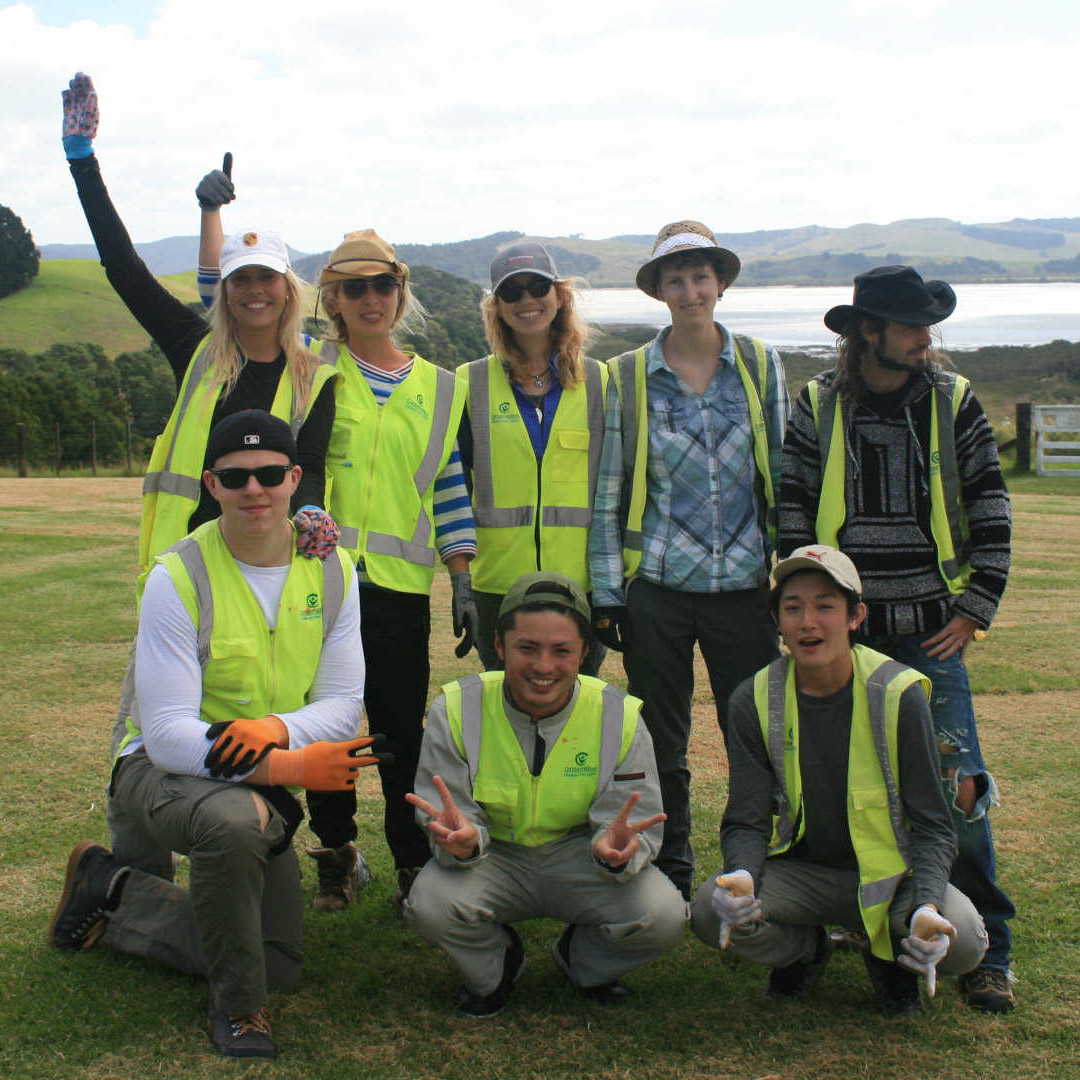

 ” I am having the best time here in New Zealand. The activities are quite varied and the scenery is absolutely fabulous. We had a great time last night in Atiu Creek when the power went out. We couldn’t use the cookers as they were electric so we used the fireplace instead. It actually worked really well and we even managed to make a crumble! It was like being around a campfire”
 I just got to Wellington yesterday and have gotten set up in the house. My stay in Auckland was great! Everybody was really nice and I got along well with the volunteers (lots of Germans!) Atiu Creek was really nice! Our team leader Bruce was pretty cool and the work felt rewarding! So far, I’ve had a good time in New Zealand and I hope the coming weeks will prove to be just as good!”
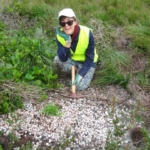 “I’m loving it so far! Just remembered seeing something about offsetting my air miles by paying towards a tree planting project – was it on the website? – typical I can’t find it now. Keen to calculate the number I’d need to plant in theory.I’m planting trees here in NZ though – did 49 yesterday!”
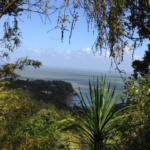 ” I’ve just finished my first week of volunteering at a national park called Atiu Creek about 1.5 hrs north of Auckland. It has so far been great fun & everyone (both staff and fellow volunteers) have been really friendly. This weeks activities included planting trees in areas that will eventually become woodland again and removing invasive tree species from conservation areas. I feel like I’ve already learnt a lot and can’t wait for the rest of my trip – especially to explore the South Island soon!”
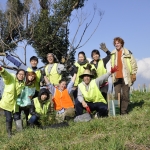 “Hi Georgie! Things in New Zealand are great! Everything with the program has been easy, from finding where I need to be and figuring out what I need to do. The organisers have been really kind, informative, and knowledgeable. Thank you for everything that you have done! I’ve been very prepared for everything”
Would you like to chat to Kate, who manages this programme? Just call +44 (0) 1892 771 973 or email: – [email protected].
Ask a Question