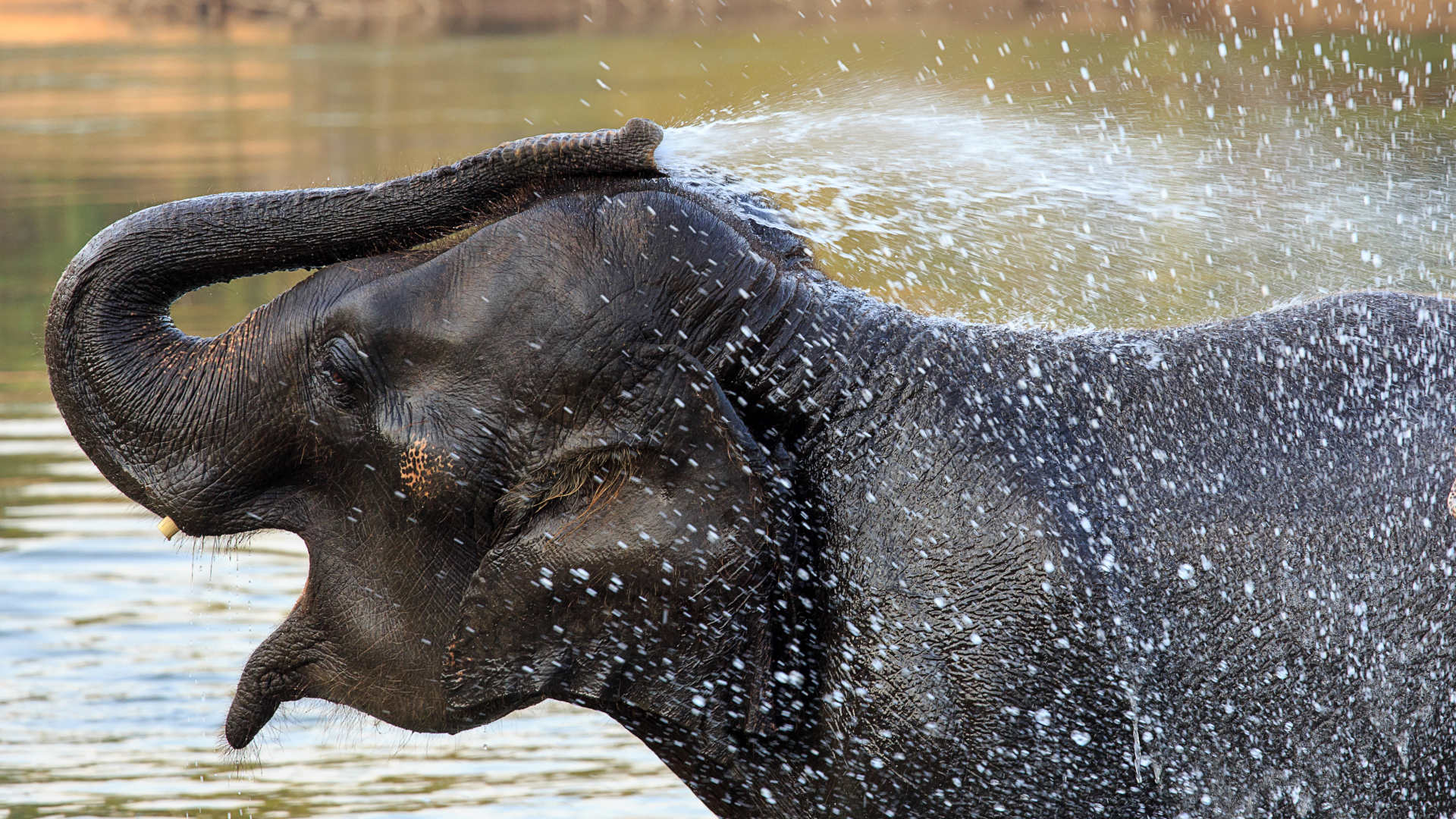
Family Elephant Sanctuary Volunteering in Thailand
A meaningful family adventure in Thailand volunteering at an elephant sanctuary. Support rescued elephants and create unforgettable memories together
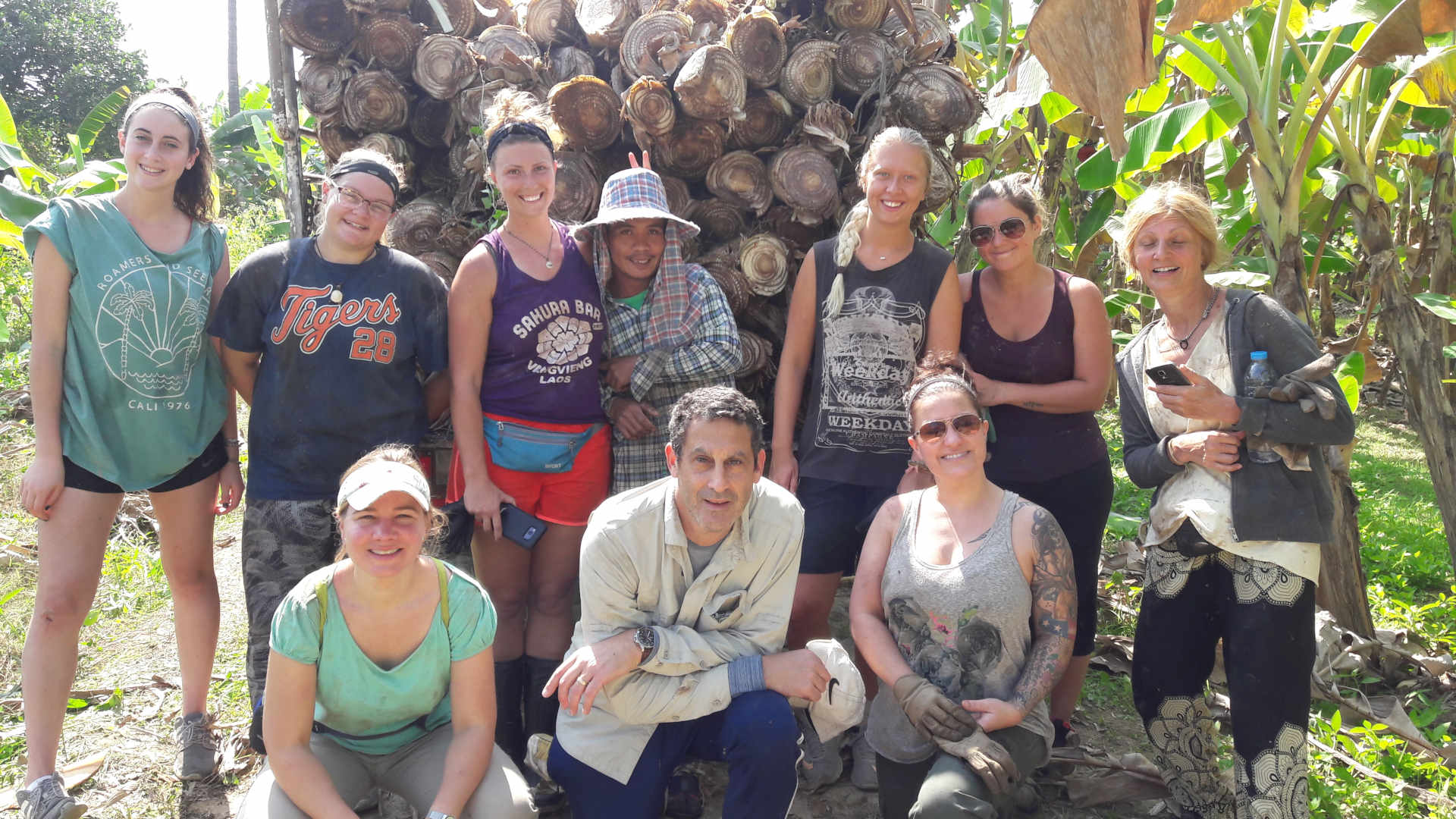
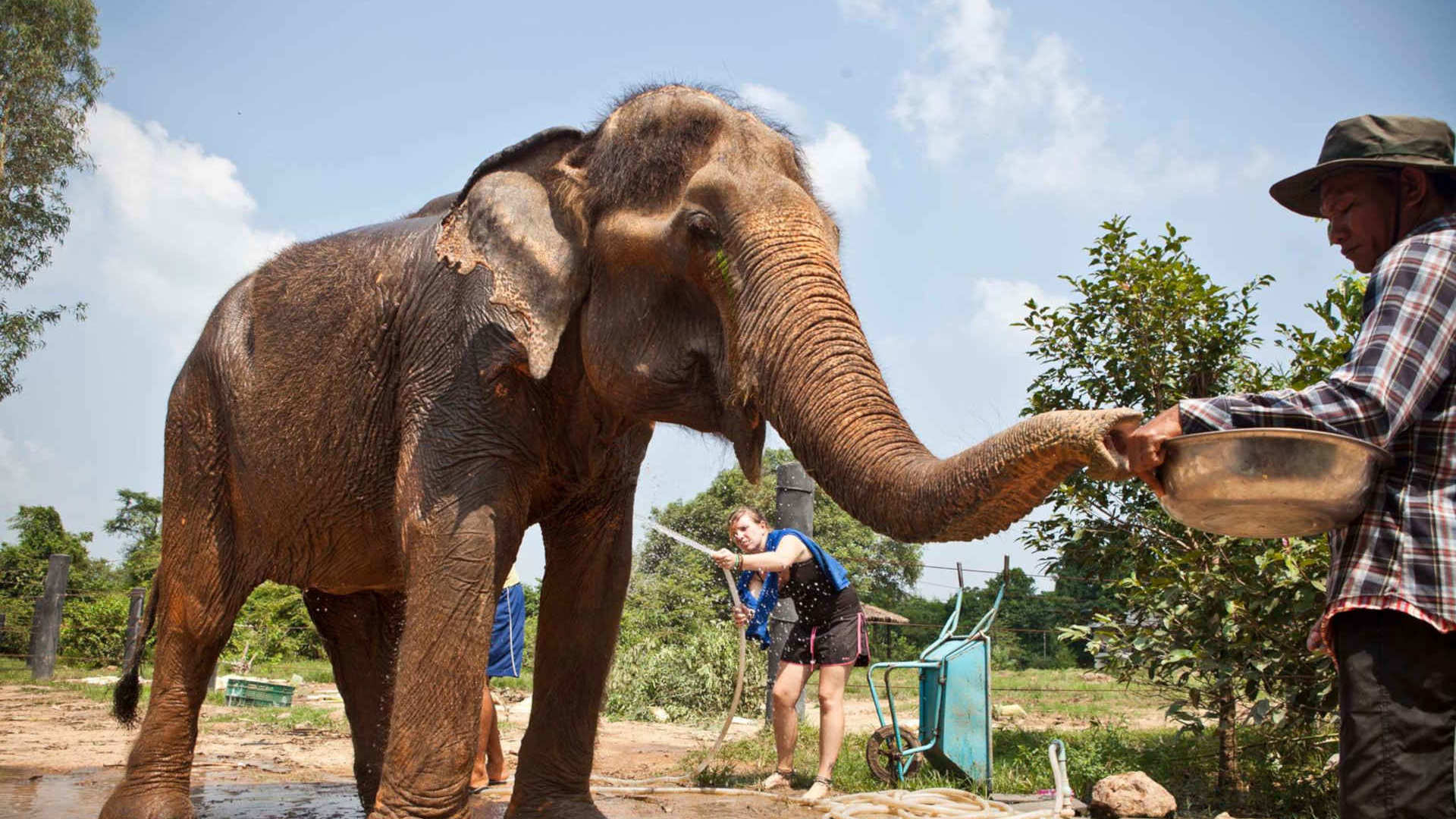
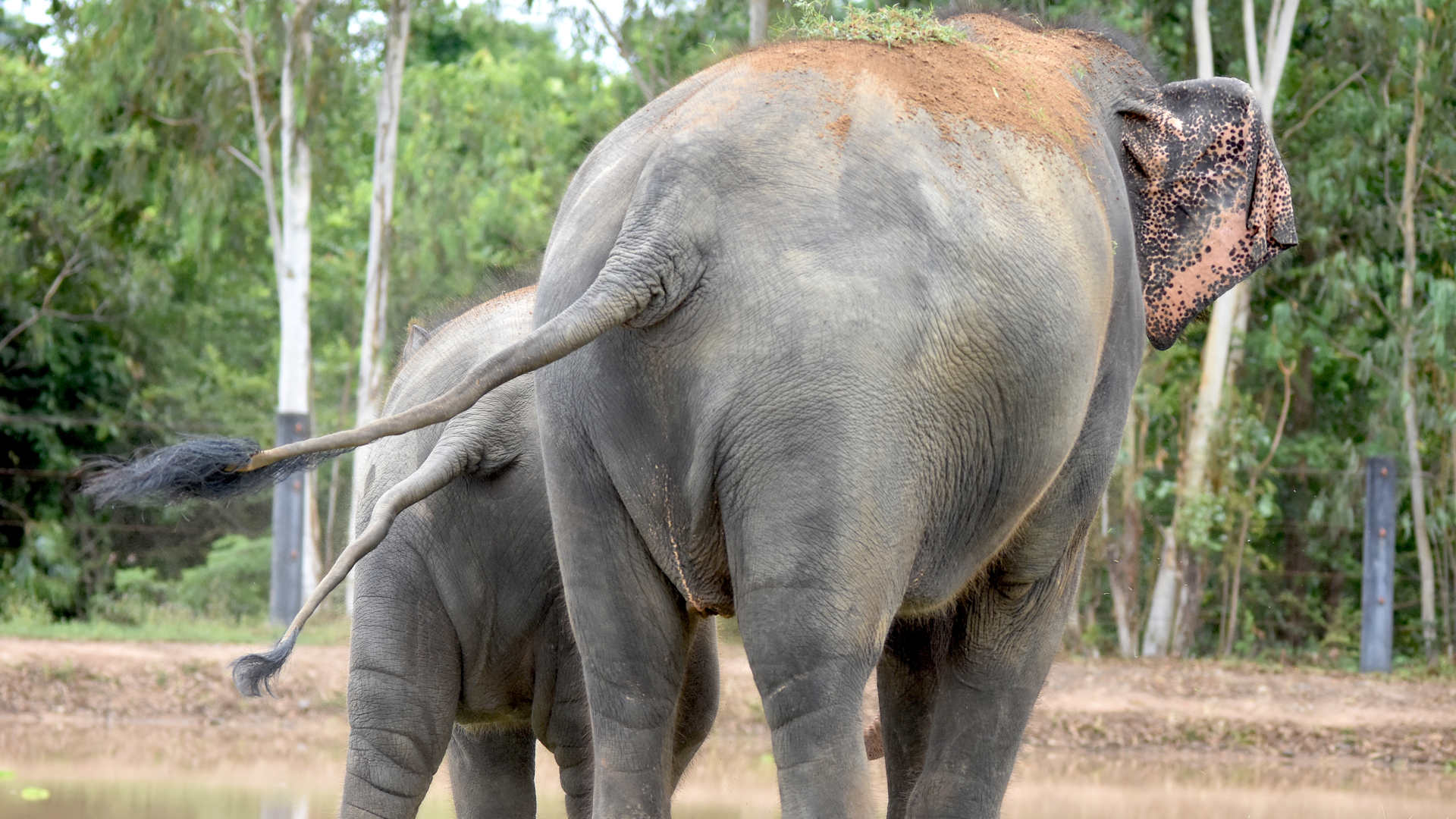
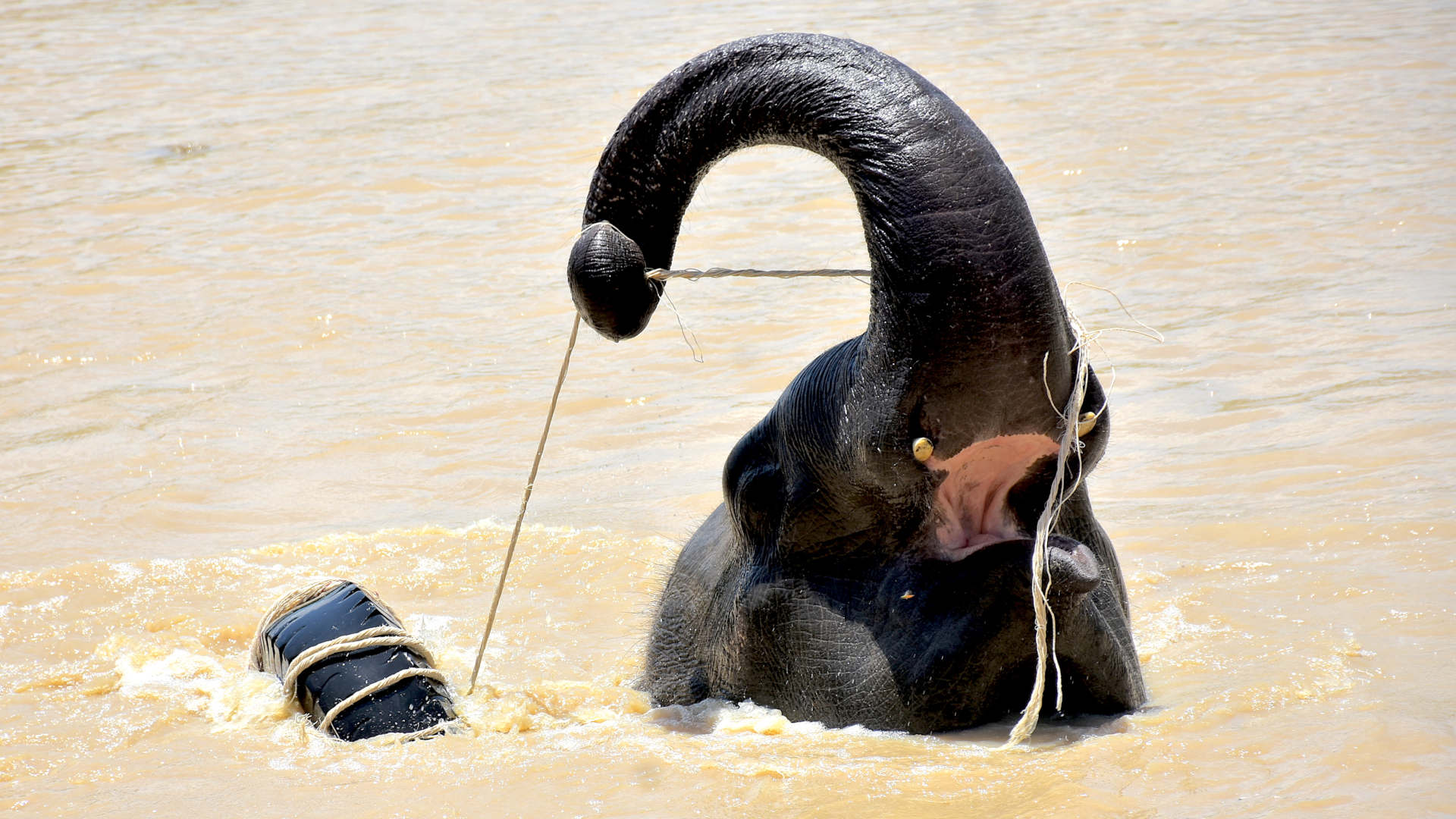
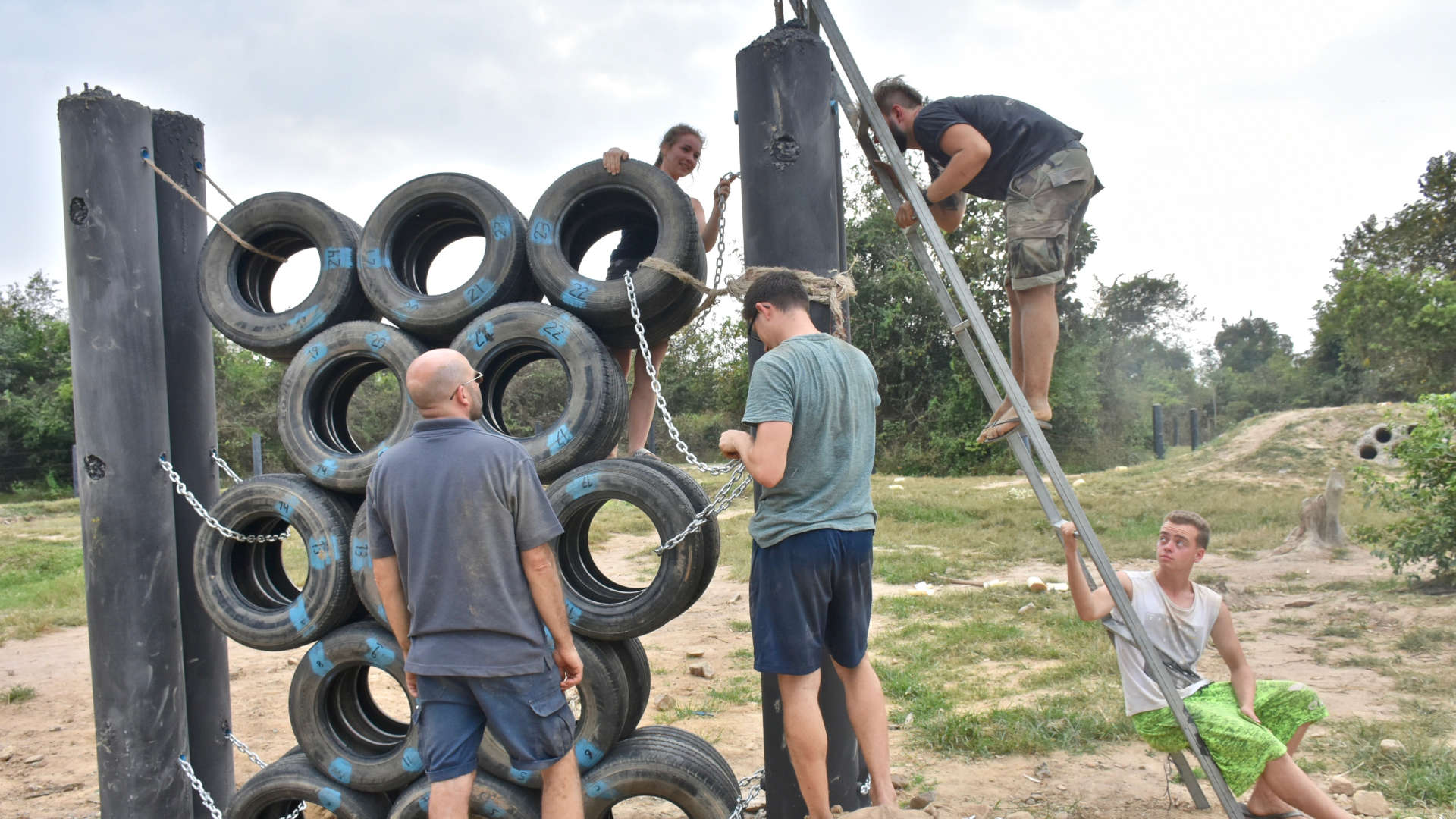
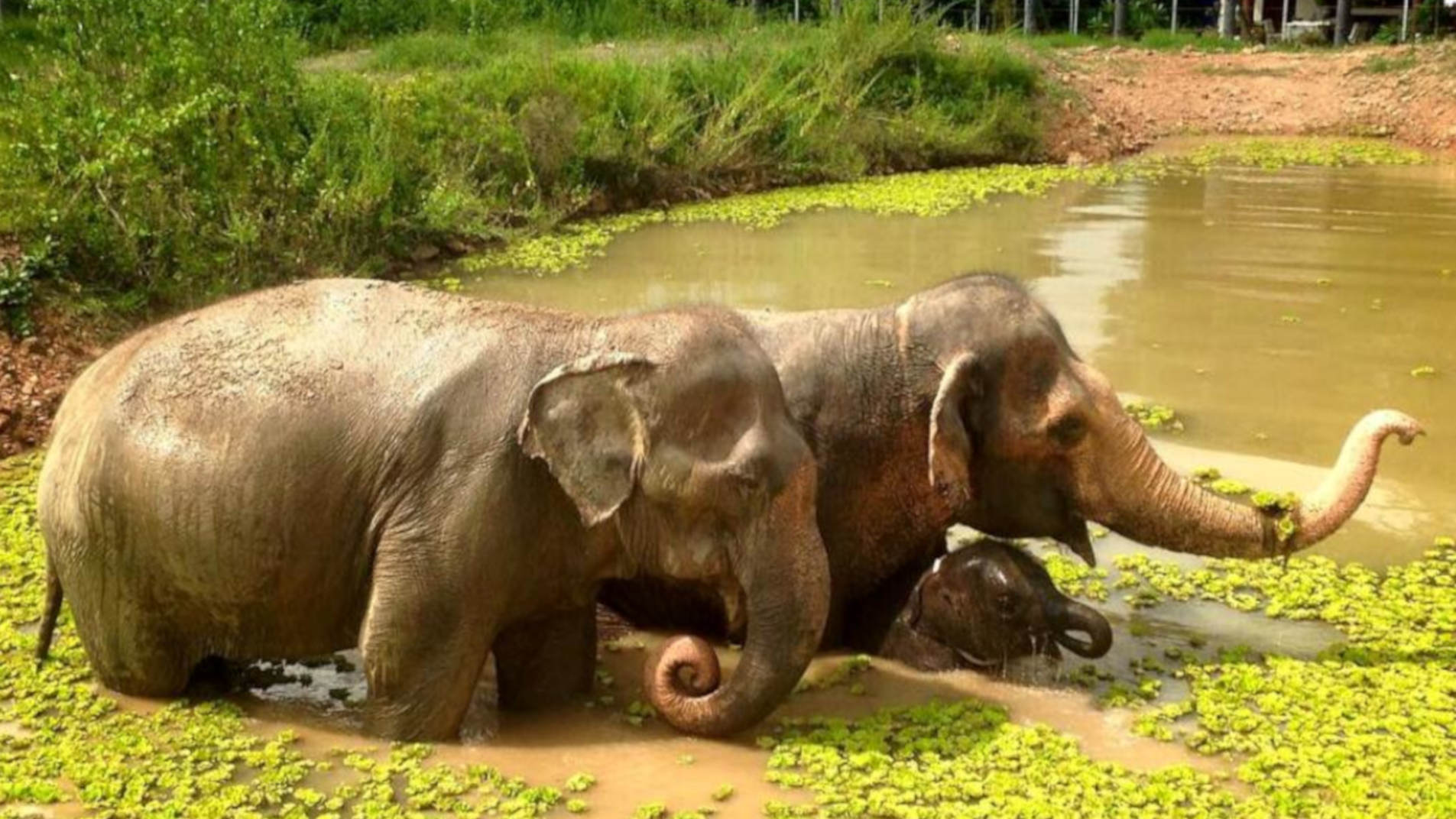
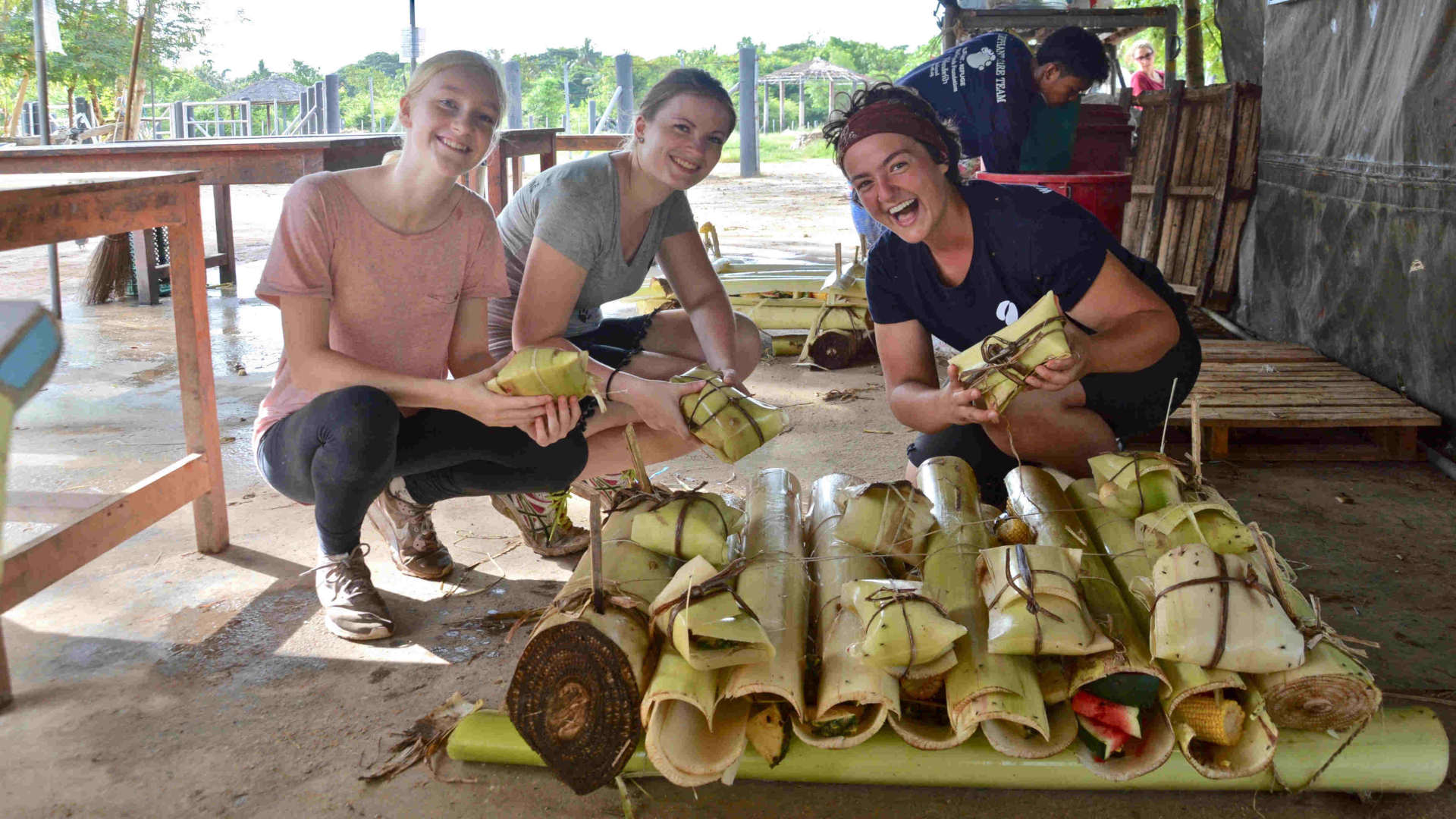
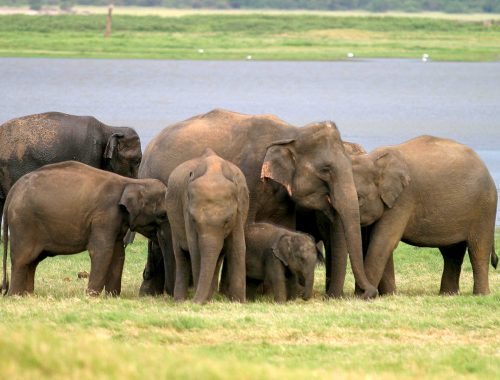
Immerse yourselves in an elephant lover’s paradise on a meaningful family holiday in Thailand. Spend a week or more supporting the care of rescued Asian elephants at a responsible elephant sanctuary on the Malay Peninsula. Many of the elephants here were rescued from street begging and exploitative tourist entertainment, and now live in a more peaceful forest environment where they can begin to recover. Families volunteering at the sanctuary help support the daily care routines that keep these remarkable animals healthy and well cared for.
On the same site there is also a large wildlife sanctuary, home to around 950 rescued animals, including bears, tigers, chimpanzees, birds, orangutans, monkeys, gibbons, deer and otters. Families staying for two weeks may have the opportunity to spend time supporting both the elephant sanctuary and the wildlife project, allowing you to experience two different areas of animal welfare while staying on the same sanctuary site.
Duration: 1 – 2 weeks
Dates: Click here for availability calendar
Arrival & Return day: Sunday
Eligibility: Fair level of fitness required. The work is physical and humidity high.
Age: Children must be aged 16+
Share with friends...
Highlights
- Walking with elephants through the forest as they forage naturally, experiencing their freedom and enjoying the moment together as a family
- Living beside a wildlife rescue centre with singing gibbons and chattering monkeys at the neighbouring sanctuary
- Exploring Thai beaches and night markets and soaking up some of the best food, culture and atmosphere Thailand has to offer
- Supporting the daily care of rescued elephants, helping the team prepare food, maintain enclosures and create enrichment for the animals
Thailand is a stunning and culturally rich country that attracts visitors from all over the world. Sadly, the rapid growth of tourism has also led to the exploitation of elephants, many of whom have historically been used for street begging, logging or tourist entertainment. This elephant sanctuary provides a safe and peaceful refuge where rescued Asian elephants can begin to recover from these difficult pasts.
As a family volunteering at the elephant sanctuary in Thailand, we will be helping the local team care for elephants that have been rescued and are now able to live out their lives in a safe and peaceful environment. The elephants here are looked after by experienced mahouts, and volunteers support with the daily work that keeps the sanctuary running.
Our days are varied, active and hands-on, and we will take part in a range of practical tasks together. These can include:
• Preparing food and feeding the elephants
• Cleaning and maintaining the elephant enclosures
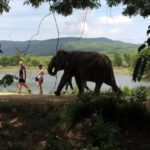
• Walking with the elephants to the forest so they can forage for natural foods and enjoy mental and physical stimulation
• Creating enrichment activities for the elephants to keep them curious and engaged
• Maintaining the enclosures, pools and mud baths
• Harvesting banana trees, grasses and other plant matter to feed the elephants
• Painting and helping with general maintenance work around the sanctuary
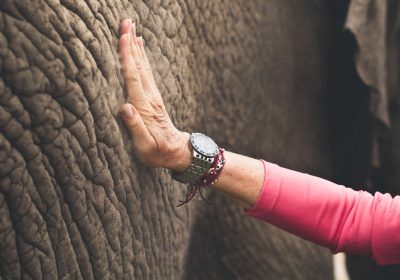
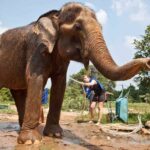
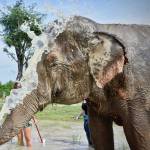
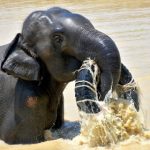
Some of the older elephants occasionally enjoy being gently scrubbed with water and brushes. When this happens, we may be able to help the team, but this is always done in a safe environment and entirely on the elephants’ terms, so it is never guaranteed.
There may also be opportunities to support other activities around the rescue centre, such as planting grasses and trees or helping with small tasks that benefit the wider sanctuary environment.
Working together as a family makes the experience even more rewarding, and every task we take part in helps support the care, wellbeing and long-term protection of these incredible elephants.
Please note, it cannot always be guaranteed that volunteers will assist with contact activities, as tasks are always centred on the needs of and benefits to the elephants
On-site there is also a wildlife sanctuary,home to bears, big cats, gibbons, macaques, otters, birds and many other rescued animals. If you are staying for two weeks or more, we can arrange for you to split your time between the elephant sanctuary and the wildlife rescue centre, giving your family the opportunity to experience both projects. Working across both areas offers a fascinating insight into the different conservation and welfare needs of a wide variety of rescued animals.
Families are welcome to take one full day off each week, as volunteering here can involve long hours and practical work. Many families use this time to visit nearby beaches, explore Hua Hin or enjoy local night markets, but if you would prefer to continue volunteering on your day off, that is absolutely fine too.
The elephant sanctuary is part of a larger wildlife sanctuary located on the Malay Peninsula, about 3 hours south of Bangkok. The location is fantastic as not only are you close the sprawling Kaeng Krachang National Park, you are also only 30 minutes from the beach towns of Hua Hin and Cha Am. There is a small village near the sanctuary with a weekly night market. There is plenty to keep you all busy when you want to be!
Families stay in shared accommodation in the heart of the wildlife sanctuary, giving you the unique experience of living within a busy animal rescue and conservation centre.
Accommodation details include:
• Shared bedrooms, typically with 2 to 5 volunteers per room in single beds (no bunk beds)
• Western-style toilets and showers, with water heated naturally by the sunshine
• Comfortable but simple accommodation, reflecting the sanctuary’s focus on animal welfare and conservation work
• Communal spaces where volunteers can relax and socialise, located at the centre of the sanctuary
Living on site means we are surrounded by the sights and sounds of the sanctuary, with rescued animals and forest wildlife never far away. It also makes it easy to begin each day alongside the local staff and international volunteers, all working together to care for the animals who now call the sanctuary home.
Volunteers are provided with three meals per day while staying at the wildlife sanctuary, helping to keep everyone energised for the active and rewarding work involved in supporting rescued animals.
Meal arrangements include:
• Breakfast is self served, with options such as cereals, toast, eggs and fresh fruit
• Lunch and dinner are freshly prepared by local cooks at the sanctuary
• Meals are mainly traditional Thai dishes, with occasional Western options available
• Most dietary requirements can be catered for, including vegetarian, vegan, lactose free and gluten free diets
• Filtered drinking water is available on tap, so volunteers can refill water bottles throughout the day
Please note that while dietary requirements can usually be accommodated, the variety may be more limited. Volunteers with specific needs, particularly gluten free diets, may wish to bring additional snacks or supplements.
There is also a small onsite shop area, where volunteers can purchase drinks, snacks and a few basic toiletries.
Due to the kitchen environment, this project cannot accept volunteers with severe nut allergies.
Travel arrangements
Airport: Bangkok (BKK)
Arrival day: Sunday before 14:00 for the optional airport transfer.
Departure day: Sunday after 12:00
Please note, these times are very important to line up with sanctuary volunteering coordination and transfers to and from airports. Extra nights can be booked in Bangkok if necessary and shuttles arranged from there.
Supporting You

The wildlife sanctuary was founded by Edwin, who was born in the Netherlands and spent the early part of his life serving in the army. After leaving the military he moved to Thailand for work, where he became increasingly aware of the challenges facing wildlife through the tourist trade and illegal wildlife trafficking.
Motivated to help animals that had been abused, displaced or kept in captivity, Edwin established the Thailand wildlife sanctuary to provide a safe and permanent home for rescued animals. Over the years the sanctuary has grown into one of Thailand’s most significant wildlife rescue centres, now caring for hundreds of animals from a wide range of species.
Edwin has lived in Thailand for almost over 30 years, speaks fluent Thai and several other languages, and is deeply connected to the local community and culture. His long term commitment to animal welfare and conservation continues to shape the sanctuary and the important rescue work carried out there today.
Included
- Access to your own personal ‘My Oyster’ account – our online portal where you can find out much more about the program and manage your booking
- Dedicated contact time with an experienced destination manager to discuss the project, answer any of your questions and for us to find out more about you
- Help and advice from our UK office before arrival and whilst you are away
- Pre-departure information covering medical, safety and project advice
- Gold level, 24/7 Pharos crisis management and incident support cover
- Financial protection: ATOL (if we book your flights).
- Thorough orientation on arrival
- In-country support
- Accommodation (see the ‘accommodation’ section above for details)
- Advice on visa requirements
- Oyster plants a tree in Africa with TreeAid to help reduce the impact of global carbon emissions
- Food
- Met personally at Bangkok airport and taken to the project
On your return:
- Welcome home pack
- Certificate of Recognition (on request)
- References (on request)
Not Included
- Flights – as an ATOL bonded company, Oyster can book flights for you
- You need a valid passport that meets the requirements of the country you will be travelling to
- Insurance (covering your time with Oyster and any planned independent travel)
- Any costs associated with changing your return flight date if you need to
- Independent travel costs
- Home country travel costs
- Spending money for additional trips, food and entertainment
- Cost of a hotel in Bangkok if arriving too late for the transfer (before 14:00)
- You must have your diphtheria, tetanus and polio up to date – without these you will not be allowed to work on the project
- Return transfer to the airport
FAQ's
Whilst late-availability is often possible, we always advise booking as soon as you can to guarantee your ideal dates, especially for the months of June to August and January and February. This also gives you more time to prepare and it means we can break your payment down into manageable instalments, spaced out between when you book and a few months before travel. To read more about our booking process, just click here.
There is no such thing as a truly “typical” day at the elephant sanctuary, as tasks change depending on the needs of the elephants and the work taking place around the sanctuary. Families volunteer alongside the mahouts and sanctuary team, supporting the daily routines that help care for the rescued elephants living here.
However, the day usually follows a structure similar to the one below.
Morning tasks
06:30 to 08:00
The day usually begins with the first sanctuary tasks such as preparing food, harvesting grasses and helping with the morning feed for the elephants.
Breakfast break
08:00 to 09:00
Families take a break for breakfast and a little rest before continuing with the morning’s work.
Late morning tasks
09:00 to 12:00
Work continues around the sanctuary and may include cleaning elephant enclosures, walking with the elephants to the forest so they can forage naturally, maintaining pools and mud baths, and creating enrichment activities to keep the elephants stimulated.
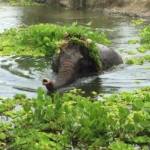
Every other day there is also an early harvest trip, where volunteers head out to the nearby fields to cut banana trees and collect other plant matter used to feed the elephants. This is a fun and energetic task, and after the work is done it often ends with a refreshing dip in the river for volunteers before returning to the sanctuary.
Lunch break
12:00 to 13:00
Volunteers return to the communal area to enjoy lunch and relax during the warmest part of the day.
Afternoon tasks
13:00 to 17:00
The afternoon may involve preparing food, feeding the elephants, maintaining enclosures, working on sanctuary maintenance projects and creating enrichment items to support the elephants’ daily care routines. Short comfort breaks are taken throughout the afternoon as needed.
Children are welcome to rest or opt out of activities at any point if they become tired, but a parent or responsible adult from the family must remain with them at all times to supervise. This helps ensure that everyone stays safe while the sanctuary work continues.
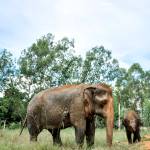
The sanctuary is designed to replicate life in the wild as closely as possible. The elephants roam freely within large natural areas and are highly sociable animals. As volunteers, we support the team by helping maintain their environment and assisting with the daily routines that keep the elephants healthy and comfortable.
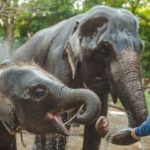
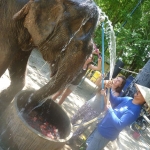
While the elephants here are used to the presence of people, direct interaction can never be guaranteed. All activities are centred around what is best for the elephants and their welfare always comes first. However, each morning and afternoon volunteers usually have the opportunity to feed the elephants banana balls, which provides a lovely chance to observe them up close.
Occasionally some of the older elephants may enjoy a gentle scrub with water and brushes to help care for their skin. If this happens, volunteers may be invited to assist the team, but this is always carried out in a safe environment and entirely on the elephants’ terms, so it cannot be promised as part of the programme.
At Oyster Worldwide we carefully assess all of our projects to ensure they meet high standards of animal welfare and responsible environmental practice. We also make sure volunteers understand the key principles of ethical wildlife volunteering before working around the animals.
To find out more, see our animal welfare policy.
This project welcomes volunteers from all walks of life, so during your stay you can expect to be part of a mixed group of people from different countries and backgrounds. Volunteers typically range in age from 18 through to their 60s and 70s, creating a friendly and supportive atmosphere at the sanctuary.
While we cannot guarantee that there will always be other families volunteering at the same time, many families find that the wider group of volunteers quickly becomes part of the experience. Volunteers are often very welcoming and enjoy sharing the project with younger participants, making it a great opportunity for children to meet people from around the world while learning about wildlife conservation together.
Yes, return transfers to the airport can be arranged by the sanctuary team once you are on site.
The return transfer is not automatically included in the project price, as many volunteers choose to continue travelling in Thailand after completing their wildlife sanctuary volunteering experience. With volunteers arriving and departing regularly, there are often others heading back to Bangkok or the airport around the same time.
This means volunteers can share a transfer and split the cost, which helps keep the journey more affordable.
Shared transfers are also encouraged as they reduce the environmental impact of travel, while making the journey back easier and more sociable for volunteers finishing their time at the sanctuary.
Thailand has a tropical climate, so you can expect warm temperatures, sunshine and occasional rain throughout the year. Even during the wetter months, rain usually comes in short bursts and rarely prevents volunteers from taking part in activities at the wildlife sanctuary.
The sanctuary operates year round, so families can join the project in any season depending on the type of weather they prefer.
As a general guide:
Cool season
November to February
Temperatures approximately 15 to 30°C
Often considered the most comfortable time to visit, with warm days and cooler evenings. This can be a particularly pleasant time for families travelling with children.
Hot season
March to June
Temperatures approximately 30 to 45°C
The hottest time of year, when work can feel more physically demanding, but the days are typically very sunny.
Rainy season
July to August
Temperatures approximately 25 to 35°C
Short tropical showers are common, but they usually pass quickly and the surrounding forest becomes especially lush.
Wet season
September to October
Temperatures approximately 25 to 35°C
This is typically the wettest time of year, so bringing lightweight waterproof clothing is recommended.
Many volunteers enjoy visiting during the rainy months as the forest around the sanctuary becomes incredibly green and vibrant, creating a beautiful natural setting for the rescued wildlife.
We recommend budgeting approximately £30 per person per week for snacks, drinks and optional activities during your free time. Most daily costs are already covered while you are staying at the sanctuary, so any additional spending is usually for small treats, local outings or exploring the surrounding area during time off.
Cash is still widely used for purchases for gifts, street food and transport. There is really easy access to cash machines about 10 minutes from the centre. Cards work everywhere but we recommend a back up card incase of machine errors! Apple pay does not work in very remote areas.
You all must complete Thailand’s Digital Arrival Card (TDAC) online before travelling. This form is required for all foreign nationals entering Thailand and must be submitted within 72 hours (3 days) before your arrival via the official Thai Immigration Bureau website: https://tdac.immigration.go.th/
You will also need to make sure your passports are valid for at least six months after your arrival in Thailand
You must have your vaccinations against diphtheria, tetanus and polio. Without these you will not be able to work on the project. You should visit your doctor or travel nurse to find out what other vaccinations you may need.
It is strongly recommended that you are vaccinated against Hepatitis A and B, rabies and tuberculosis. These are entirely optional (at your own risk) as these diseases do occur in Thailand but have not occurred at the centre. Please follow your doctor’s advice.
For any more information, including entry requirements please see the Fit for Travel website or the UK government’s travel advice page for Thailand.
There are medical facilities approximately 30 minutes from the project sites. Larger hospitals can be found within 3 hours drive in Bangkok.
The sanctuary is located in a safe and peaceful rural area, and families are given a full safety briefing on arrival so that everyone understands how the sanctuary operates. There is also a secure place on site for storing valuables, and accommodation is shared with other volunteers while the project coordinators also live on site.
Volunteering with animals always involves an element of responsibility, but families work closely alongside experienced and well trained sanctuary staff at all times. You will receive clear guidance and support for all tasks, and activities are carefully managed to ensure the safety of both volunteers and the animals.
The sanctuary is around 20 to 30 minutes from the coastal towns of Cha Am and Hua Hin, which are welcoming destinations used to international visitors. When exploring the area, it is helpful to remember that Thailand is a predominantly Buddhist country, and visitors should dress respectfully by covering shoulders and upper thighs when visiting temples or other holy places.
You will be living right in the heart of a small rural village in the sanctuary grounds. Walk 10 minutes into the small town in order to pick up snacks and basic medical supplies.
There is good WiFi at the sanctuary in the communal area. Many volunteers buy an eSIM card to access data on the move.
There is mobile phone signal at the centre and you can receive incoming emergency calls at the centre too.
Thailand is 7 hours ahead of GMT (GMT+7).
In Thailand, a mixture of European plugs and American plugs are used.
While volunteering at the sanctuary there are plenty of opportunities for families to relax and explore the surrounding area during time off.
• The local village is just a short walk away, with small shops and a night market to explore
• Visits to nearby Kui Buri National Park, known for its beautiful landscapes and wildlife
• A small onsite bar area is open until early evening, where volunteers often gather and relax
• Occasional trips are organised to Petchaburi, the bat caves at sunset, or the seaside towns of Hua Hin and Cha Am to explore night markets and local cafés
• A weekly trip to a nearby shopping mall is usually arranged, which can be helpful for families needing extra supplies or specific food items
• The sanctuary is located on temple grounds, making it easy to visit the temple and experience Thai culture during your stay
• Beautiful beaches are around 15 miles away, perfect for a family day out
• There are also excellent hiking opportunities in the nearby national park
These options give families a chance to experience local Thai culture, nature and coastal towns while volunteering at the sanctuary.
You will have evenings free and one day per week off.
You are welcome to take one full day off a week as the volunteering does involves long hours and manual labour. If you want to volunteer on your day off, this is also fine!
Project Reviews
“I had great experience booking with Oyster worldwide. I have booked to go to Thailand to volunteer at an elephant sanctuary. I was nervous but Kate was very supportive and answered any questions I had. Which there was many. I love the my oyster log in. You get so much information and makes me feel truly prepared for my trip....
 “
“ “
“ “
“ “
“ “Thank you so much for everything it really warmed my heart :))) Last week, I was assigned to the Wildlife Center, and it turned out almost exactly as I had hoped. I spent most of the time with monkeys, especially gibbons (thank you so much for arranging this for me). I truly loved it — it was a very special and magical journey. This week is my second week at the Elephant Sanctuary. Being assigned to different elephants every day has been a completely different experience altogether. It’s hard to compare the two, but I genuinely think having one week for each is a great and very balanced arrangement.
 “I booked a wildlife volunteering trip in Thailand with Oyster Worldwide, and knew immediately that I was in capable hands. My coordinator was so quick to respond to emails and queries, happy to move my dates when life got in the way and delayed my initial booking, and provided me with all the info I needed before I set off. My three weeks in Thailand were an absolute dream. I spent the first two with primates, bears, birds and all manner of other beautiful animals, and then did the third week with elephants, and both experiences were magical. The work was hard – you’re up with the dawn preparing food, harvesting banana trees, scrubbing bear pools and monkey enclosure – but it was the most rewarding I’ve ever done. I met so many brilliant people, staff and other volunteers, and made friends and memories for life. I cannot recommend it enough, and will definitely be booking another trip!!!”
 “Back home after a hugely rewarding 2 weeks working with the elephants at the sanctuary. Think for a volunteering holiday such as this, a basic level of fitness is a must- especially when helping out on the harvesting of the banana tree trunks. Being able to “rough” it for the duration also helps i.e. accept that you won’t have the same conditions as at home :)”
 “
“ “I am having a wonderful time. The work with the elephants is quite hard but so enjoyable. I have had the chance to make food and feed them. Wash them and take for a walk. The harvesting (collecting Banana tree trunks) is very hard work and too much for me but I have been able to help in many other ways. This week I am with the wildlife. Making food and feeding various primate and many other animals. Some of the background stories as to why a lot of the animals have been rescued here is quite heartbreaking. Makes the work that we are doing feel so very worthwhile. The most memorable and exciting part of my holiday was working with the elephants and wildlife, and meeting an array of other people of all ages and cultures. Kind hearts were something that ran through the other volunteers. I really felt that the work the volunteers did, contributed to the welfare of all the animals and supported the local environment. Do not underestimate how hard the work is though, it is not a party place! Take old clothes that you would be happy to leave behind as your clothes will get dirty and stained! This was a flipping fantastic and fulfilling holiday. Made me feel proud of myself and my contribution.”
 “Working with the elephants was so rewarding. The work was hard but every minute was worth it. My tips to other travellers would be take old clothes, you will get wet and dirty every day. Gloves are important! You’ll work hard but it is worth it. If you go for more than one week, I suggest you have a go at both sides of the WFFT volunteer program – Wildlife and Elephants. I absolutely felt that my holiday benefited local people, reduced environmental impacts and supported conservation so I would highly highly recommend this trip!”
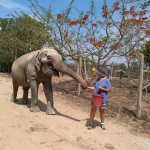 “Everything went very well, the staff were great and of course the elephant experience was second to none! Daily work was hard, especially “harvest” but very worthwhile. Transfer from Bangkok was faultless and driver v. friendly. Accommodation was fine: we were expecting basic, but had own bathroom which was great. Lots of v. useful info on My Oyster system, this helped us prepare properly. Katie was very welcoming and the tour on day 1 was fascinating, as was hearing from the founder (Edwin). Project staff were great and v approachable. Highlight has to be feeding/showing elephants! Preparing their “enrichments” was fun too. Waking up to the sound of birds and monkeys was unreal. Dogs that live on site were v sweet. Many of the volunteers are young, don’t worry about age gap…just throw yourselves into it…feeding elephants before breakfast is great, even if it is an early start! Take lots of mosquito repellant! Treat even small scratches with antiseptic cream to prevent infection …pharmacies can sell antibiotics over the counter if needed. The village has a couple of places selling nice coffee! Go on the trip to the bat cave + market: The bats are extraordinary. Take lots of photos! It’s given our daughter some gap year ideas…many of the volunteers are on a gap year travelling around SE Asia. And interesting to talk to about their experiences. Made us think about going back to that part of the world next year!”
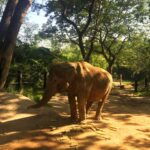 “I enjoyed my trip to Thailand a lot. It was hard work (and long hours), but with great people. I had a lot of fun caring for the elephants and the other animals at the sanctuary. The staff were very friendly and helpful. My room was comfortable (if basic) and I shared with three others. My advice to people thinking about this project would be to go for it, but to remember to bring decent footwear you don’t mind ruining (feet will be wet a lot of the time) and plenty of insect repellent!”
 “I had a great time, thank you!! Just settling back in, wish I could have stayed longer but I’m a student nurse so had to get back to placement!!”
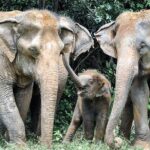 “We had an amazing time in Thailand with the Elephant volunteer program. It was such an amazing experience. Be ready for physical work it is quite a busy day with hot conditions! But we definitely felt our trip helped with the rescue of animals. Thanks for all your help organizing the trip!”
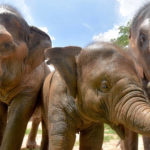 “Having a great time thanks. Day off today so stayed over in Ch Am last night. Meeting some lovely people. Mostly youngsters travelling. Accommodation is fine although I’ll never get used to cold showers! I would certainly recommend the experience ”
 “Thank you for getting in touch, I had an absolutely amazing time out in Thailand and I was so sad when I had to leave. I’m not sure I have much feedback to give, the kit list Oyster provided was spot on and I was prepared for what Thailand would entail ”
 “My trip was absolutely amazing!! I enjoyed every second of it and would totally recommend it to people to go!! I complete this for my Gold Duke of Edinburgh and it was the best thing experience I could have chosen for this”
 “It was a memorable experience and I was glad to have participated. Although there are of course always ways that things might be improved a bit, I have tremendous respect for the organization and for those who work so tirelessly for such a good cause. Thank you for everything! ”
 “Probably one of the best experiences I’ve ever had. I met so many amazing people and of course, got to be up close and personal with the elephants. I do really miss it a lot. If I ever have the chance in the future I would definitely go back and volunteer again! Thank you so much for all your help for making this possible!”
 “I can say it was two of the best weeks of my life. I enjoyed every single day there and it was very hard to leave. One highlight was meeting so many amazing people from so many different countries, it definitely made me grow as a person and have more of a stronger knowledge for different cultures across the world. I would say I became more independent by being outside of my comfort zone in doing something I’ve never done before and it was by far the best thing I’ve ever decided to do!!”
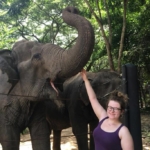 “It’s been really good here. I wrote my second year dissertation on elephant riding and the impact of the education on people’s perceptions, so I have been able to share some of the things I’ve learnt with other volunteers and the staff. The coordinators have been really encouraging. I’ve been made team leader for a group of 5 volunteers- I’m loving the responsibility!”
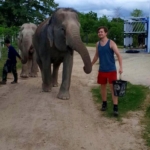 “It was really helpful to have Oyster help me find such a brilliant ethical way to travel and I feel richer as a person for the experience. Anne was very helpful, checking in by email, helping arrange transport to the sanctuary, and offering
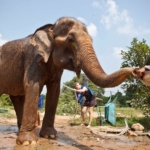 “It was such an incredible experience that I’ll look back on in years to come with so many memories from my time there. I felt very safe there, and I think a lot of that was from booking it through you, and knowing you were only an email away. Everything was smooth sailing from the minute we left our homes and we are so grateful for your team for making this work so well. It was a bit daunting travelling so far on our own at first but we really didn’t need to worry!”
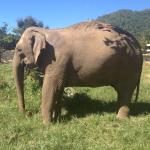 “I really enjoyed my time in Thailand, not only because of the elephants and the sanctuary which was amazing but also because I had a chance to see some other places too. I expected the sanctuary to be hard work, which it definitely was, but the hospitality and helpfulness of the staff and Thai people was great. The contact from Oyster was also good as they kept me updated :)”
 “Thailand was absolutely amazing – had so much fun learning new things and meeting all sorts of different people! It’s definitely motivated me to do more voluntary work in the future. Thanks so much for all your help and the organising that came with it you were so helpful and gave me reassurance on my travels!”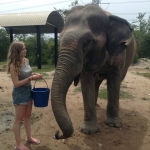
 “Excellent, it far exceeded my expectations. Highlights included interacting with the elephants by washing and walking them, interacting with the volunteers and exploring the culture on days off”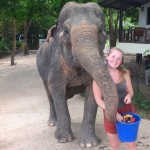
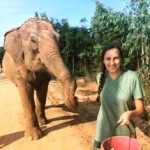
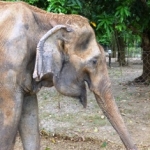
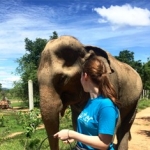 “It was extremely rewarding. I really felt like I was making a difference, and the sanctuary was run really well. You’re thrown together in a really unique environment where hardly anyone’s met before, and so it really made me more confident as I talked to so many new people from many different countries in such a short amount of time. The sense of reward is incredible, and I feel so proud that I spent some of my summer helping animals in need. I genuinely feel that it’s made me grow as a person.”
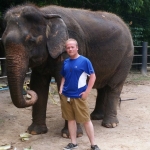 “I had a great time in Thailand with the elephants, and I am really going to miss them, along with the people I’ve met whilst out there. Life back home is calm for now. I’m still a little jet lagged, but at least the weather’s cooler! Thank you and Oyster Worldwide for helping me to accomplish this ambition.”
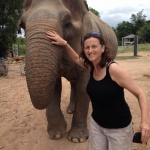 “The highlights were so many! The main one has to be feeding an elephant and getting so close to them, but other highlights include the camaraderie of all the volunteers, of all nationalities, and some of the side splitting laughs we all had there. And jumping in the river fully clothed after a morning carrying banana trees was a highlight. is a brilliant place, and has a caring ethos towards the animals that have been abused. You will come away changed after a placement here.”
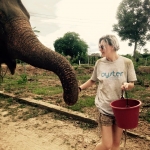 “I’m missing Thailand so much! I loved every second of it and will definitely be going back for a longer period of time. I wouldn’t change the experience one bit – I learnt so much about myself, however cliché it may sound! It was so beautiful :)Thank you for helping me out, without you it wouldn’t have been possible and I’m so very grateful.”
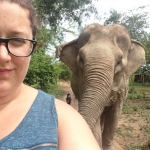 “I had the most amazing time volunteering in Thailand. I made so many new friends and, knowing that my help there during my short stay made such a big difference, made me feel great inside. I would like to say a great big thank you for giving me the experience of a lifetime.”
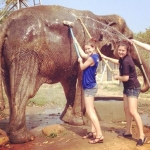 “We just wanted to let you know we are having the most amazing time out here and I wanted to say a massive thank you for helping us to organise everything! I can’t even begin to describe how much I’m loving it out here – which I’m sure you hear all the time!”
Would you like to chat to Kate, who manages this programme? Just call +44 (0) 1892 771 973 or email: – [email protected].
Ask a Question