Animal Sanctuary Volunteering in Thailand
Support rescued animals including bears, gibbons & monkeys at one of Thailand’s largest sanctuaries. Assist with care, rehabilitation
& enrichments
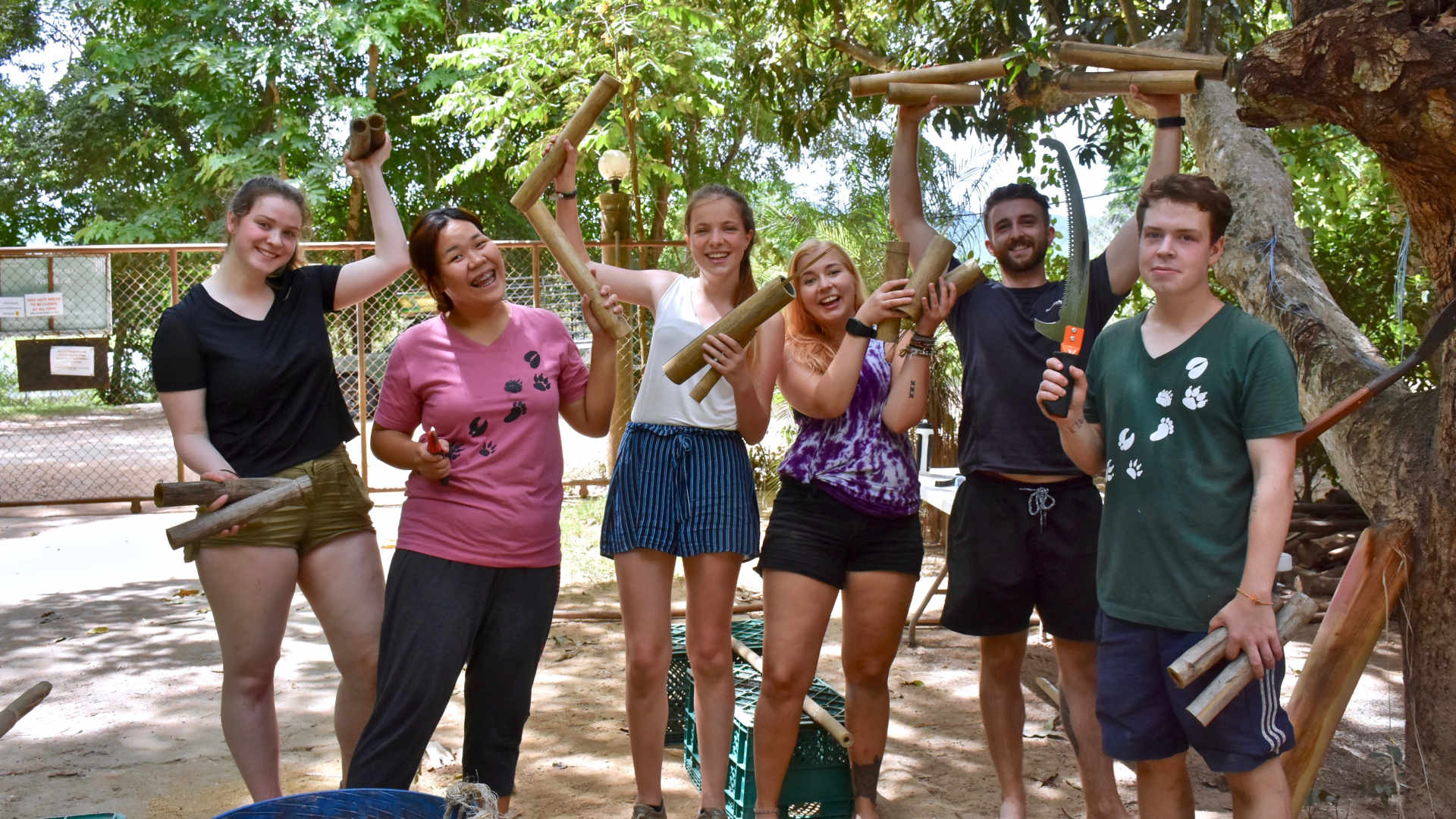
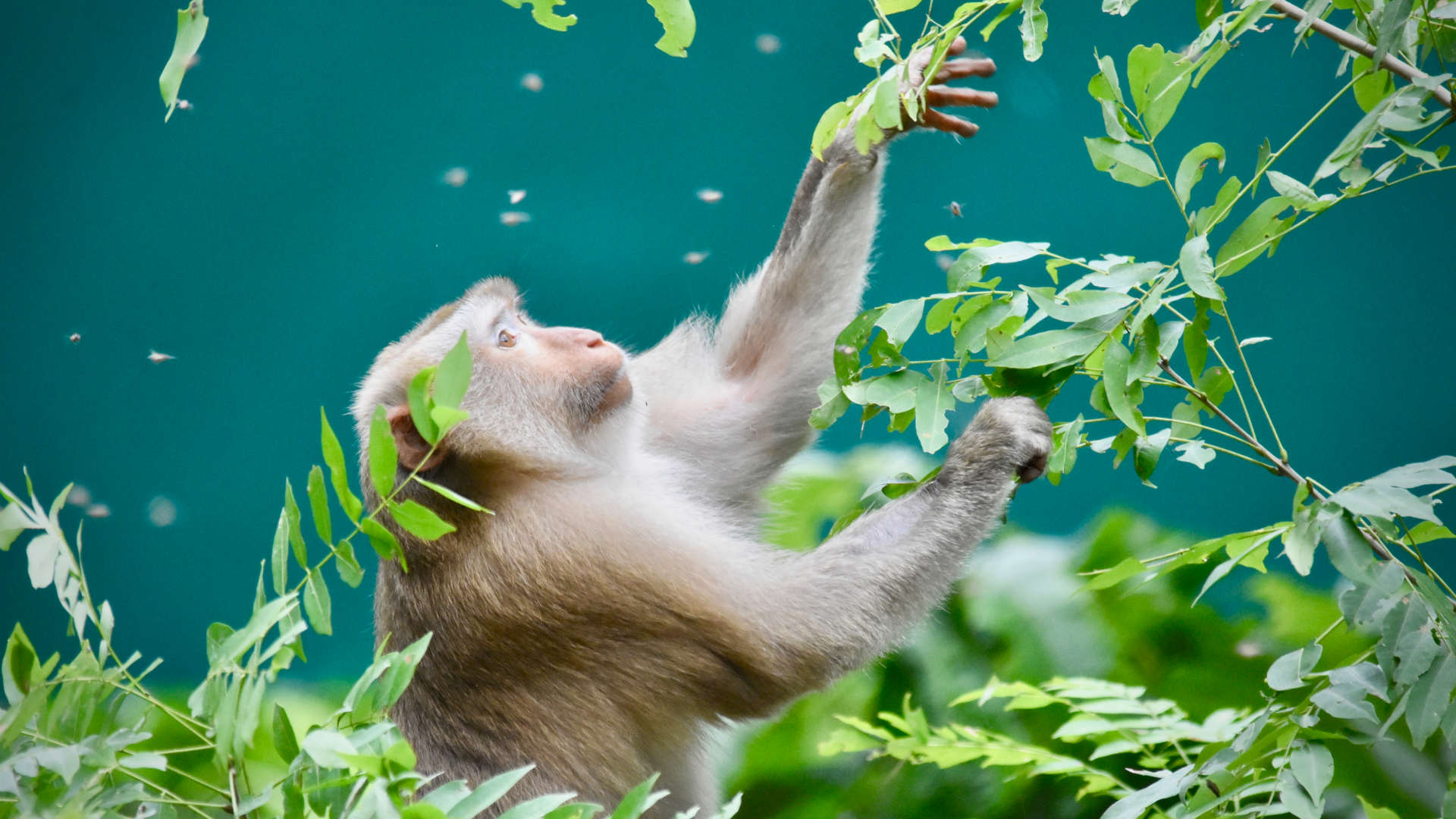
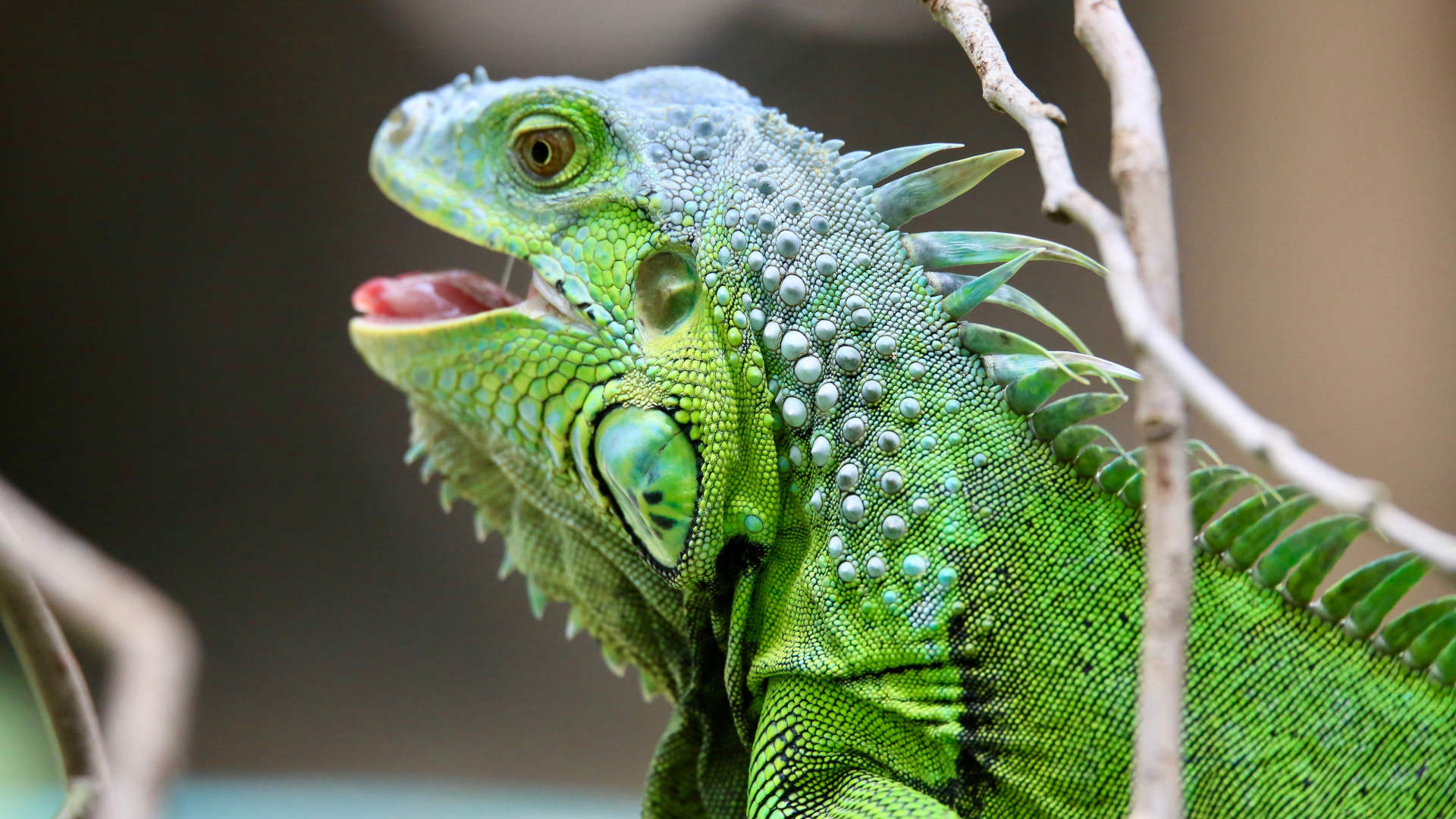

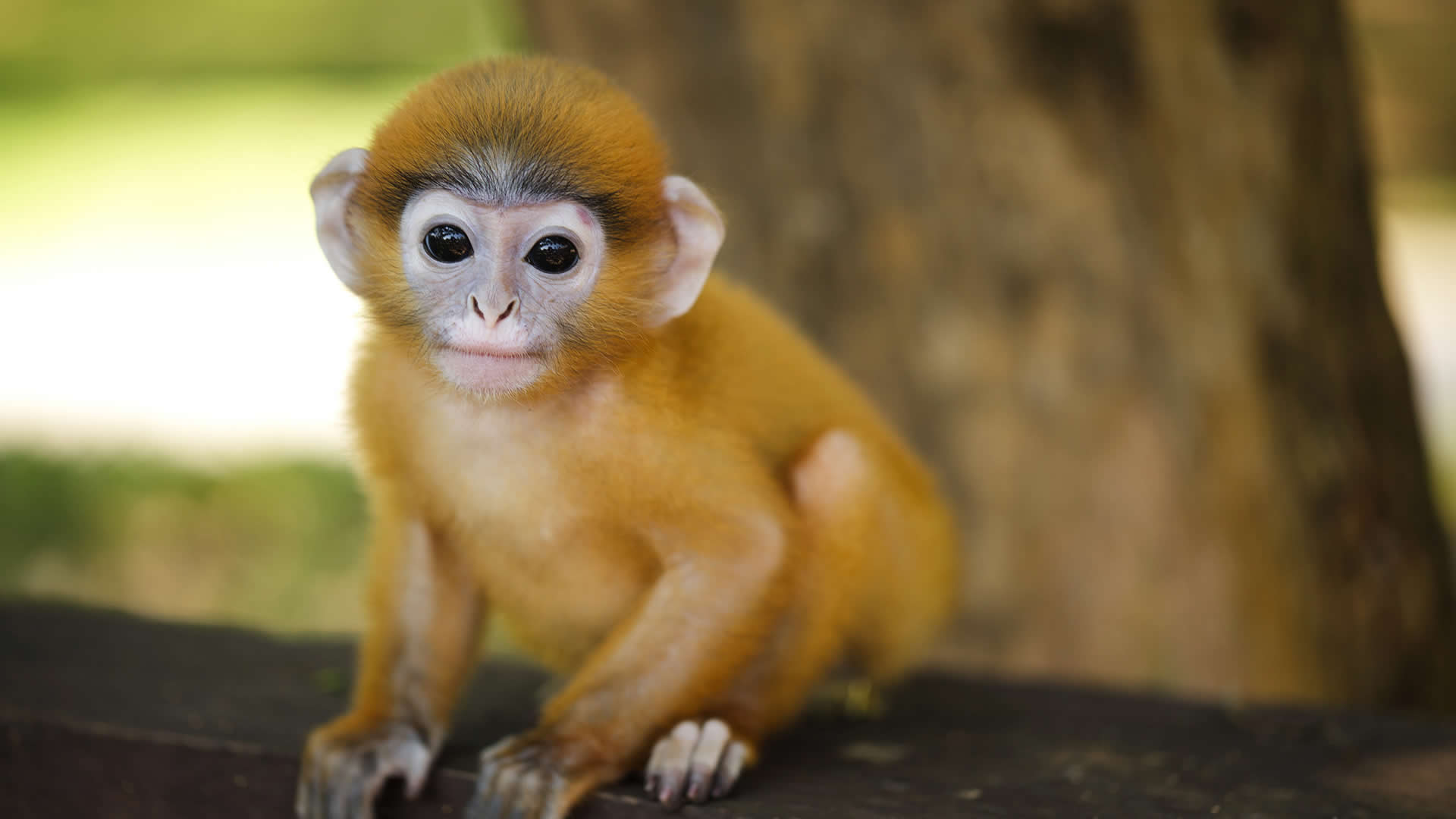
Volunteer at a remarkable wildlife sanctuary and help support the rehabilitation of an incredible variety of animals. Orangutans, monkeys, bears, gibbons, deer, birds and otters are just some of the 950 animals now being cared for at this inspiring refuge. Many were rescued from cruelty, illegal wildlife trade and captivity, and now depend on the dedicated team of staff and volunteers who work to help them recover and enjoy a more peaceful life.
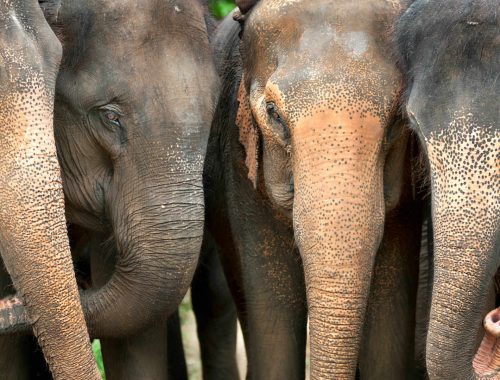
On the same site you will also find a dedicated elephant sanctuary home 22 rescued Asian elephants. Volunteers who stay for two weeks or more may have the opportunity to support both the wildlife and elephant projects, splitting their time between the two while staying on the same site and using the same accommodation.
Duration: 1 – 12 weeks
Dates: Click here for availability calendar
Arrival & Return day: Sunday
Eligibility: Good level of fitness required. The work is physical and the temperature hot
Age: 18+
Extra info: Ask us about the nearby cats and dogs rehabilitation programme, if you are hoping to gain some veterinary experience!
Share with friends...
Highlights
- Live surrounded by incredible wildlife, with rescued bears, tigers, chimpanzees, orangutans, monkeys, gibbons, deer, birds and otters cared for at the sanctuary
- Wake up to the sounds of the forest, with monkeys chattering and birds calling around the sanctuary
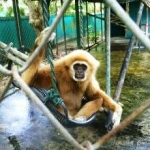
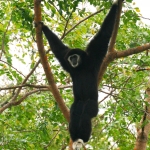
- Watch rescued gibbons swinging through the trees, many of whom spent their early lives confined in captivity
- Support the elephant refuge, where rescued Asian elephants are cared for in a more natural woodland environment
- Explore Thailand during your time off, with beaches, temples and vibrant night markets all within reach of the sanctuary
- Add a conservation career course to support and apply for jobs after your trip
Thailand is a stunning and culturally rich country that attracts visitors from all over the world. Unfortunately, the growth of tourism has also contributed to the exploitation of wildlife through the tourist trade. Many of the animals now living at this sanctuary were rescued from situations such as illegal wildlife trafficking, captivity or tourist entertainment. They are brought here to a protected forest site close to Thailand’s largest national park, where they can begin to recover in a safer and more natural environment.
The sanctuary provides long term care for around 950 rescued animals. Some may eventually be rehabilitated and released where possible, while many remain under permanent protection due to the trauma or injuries they have suffered. Volunteers help support the dedicated local team in maintaining this important work.
Typical volunteer support includes:
• Preparing and distributing food for a wide range of species
• Cleaning enclosures and helping maintain animal habitats
• Assisting with general sanctuary maintenance and upkeep
• Preparing enrichment activities that encourage natural behaviours
• Supporting the daily routines that keep the sanctuary running smoothly
While carrying out your tasks, you will be surrounded by the sights and sounds of the sanctuary. Monkeys chatter in the trees, birds call across the forest and bears explore their enclosures nearby. Being part of the team that helps provide these animals with a safer future is a meaningful and memorable experience for many volunteers.
No two days are the same when volunteering at this wildlife sanctuary in Thailand, but you can expect to support a variety of important daily tasks that help care for rescued animals and maintain the sanctuary environment.
Typical wildlife sanctuary volunteer activities may include:
• Preparing food for the many animals living at the sanctuary
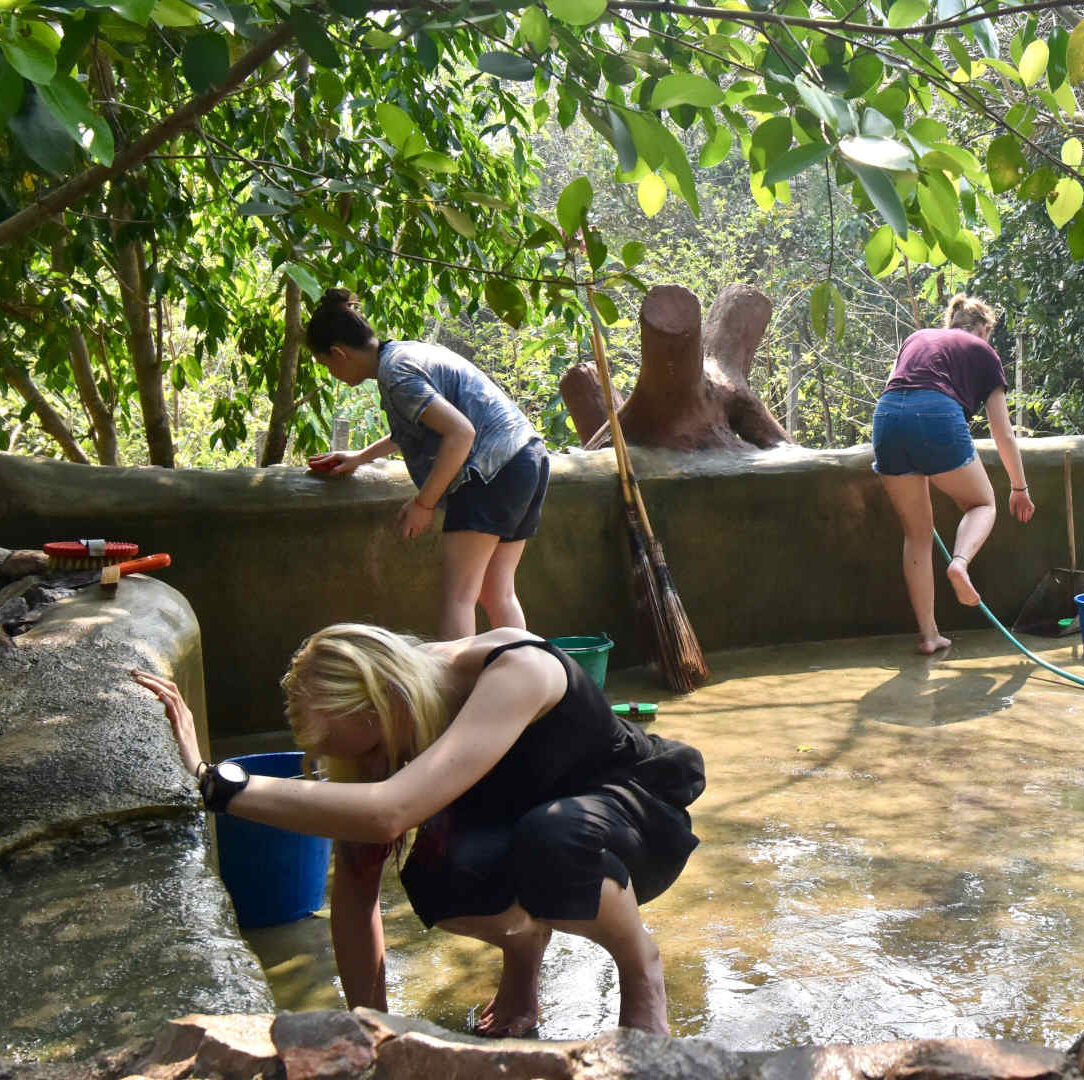
• Cleaning enclosures, pools and feeding areas
• Creating enrichment activities to encourage natural behaviours
• Observing rescued wildlife and reporting behaviour to the sanctuary team
• Supporting rehabilitation work for animals rescued from captivity or the illegal wildlife trade
• Helping build and maintain enclosures and animal habitats
• Assisting with the daily “water run” to ensure animals have fresh drinking water
• Supporting wider conservation and maintenance projects around the sanctuary grounds
Wildlife you may help care for
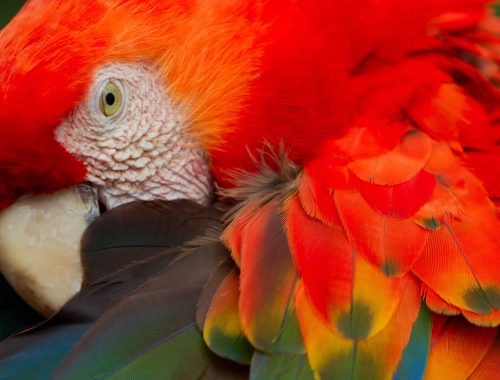
Volunteers at this Thailand wildlife sanctuary primarily assist with the care and support of bears, tigers and other big cats ( you will observe these but not work directly), chimpanzees, birds, orangutans, monkeys, gibbons, deer and otters, alongside other rescued animals living at the sanctuary.
There is also a dedicated elephant sanctuary on site, where a small number of volunteers may have the opportunity to support the team caring for rescued Asian elephants. If you stay for two weeks or more, it may be possible to split your time between the wildlife sanctuary and elephant projects, allowing you to experience two important areas of animal welfare and conservation work during your stay.
Volunteer schedule and time off
Volunteers are usually welcome to take one full day off each week, as the work can involve long hours and physical tasks. If you would prefer to continue helping at the sanctuary on your day off, this is also possible.
Important information
Tasks are always determined by the needs of the animals and the sanctuary team. Volunteers support the daily running of the sanctuary, but activities involving close contact with animals cannot be guaranteed, as the priority is always the welfare and wellbeing of the rescued wildlife.
Are you looking for paid work in the conservation sector after volunteering or interning? Oyster have teamed up with our friends at Conservation Careers who support people to find paid work in conservation following study or a career change. You can add their fantastic and flexible course to your volunteering trip with Oyster. Your Oyster experience will help add interest to your conservation resume as an eye catching addition to your job applications in future!
Volunteers stay in shared accommodation in the heart of the wildlife sanctuary, allowing you to fully experience life within this busy animal rescue and conservation centre.
Accommodation details include:
• Shared bedrooms, typically with 2 to 5 volunteers per room in single, not bunkbeds
• Western style toilets and showers, with water heated naturally by the sunshine
• Comfortable but simple accommodation, reflecting the sanctuary’s focus on animal welfare and conservation work
• Communal spaces where volunteers can relax and socialise, located at the centre of the sanctuary
Living on site means you will be surrounded by the sights and sounds of the sanctuary, with rescued animals and forest wildlife never far away. It also makes it easy to start your volunteer day alongside the local staff and international volunteers working together to support the animals in their care.
Volunteers are provided with three meals per day while staying at the wildlife sanctuary, helping to keep you energised for the physical and rewarding work involved in supporting rescued animals.
Meal arrangements include:
• Breakfast is self served, with options such as cereals, toast, eggs and fresh fruit
• Lunch and dinner are freshly prepared by local cooks at the sanctuary
• Meals are mainly traditional Thai dishes, with occasional Western options available
• Most dietary requirements can be catered for, including vegetarian, vegan, lactose free and gluten free diets
Please note that while dietary requirements can usually be accommodated, the variety may be more limited and volunteers with specific needs, particularly gluten free diets, may wish to bring additional snacks or supplements. There is a small ‘bar’ onsite which sells beers, snacks and some toiletries.
Due to the kitchen environment, this project cannot accept volunteers with severe nut allergies.
Join a 13 day tour that goes from Bangkok to Chiang Mai across into Laos and then on to Vietnam. This budget backpacker tour is the perfect way to round off your volunteering.
Travel arrangements
Airport: Bangkok (BKK)
Arrival day: Sunday before 14:00 for the optional airport transfer.
Departure day: Sunday after 12:00
Please note, these times are very important to line up with sanctuary volunteering coordination and transfers to and from airports. Extra nights can be booked in Bangkok if necessary and shuttles arranged from there.
Supporting You

The wildlife sanctuary was founded by Edwin, who was born in the Netherlands and spent the early part of his life serving in the army. After leaving the military he moved to Thailand for work, where he became increasingly aware of the challenges facing wildlife through the tourist trade and illegal wildlife trafficking.
Motivated to help animals that had been abused, displaced or kept in captivity, Edwin established the Thailand wildlife sanctuary to provide a safe and permanent home for rescued animals. Over the years the sanctuary has grown into one of Thailand’s most significant wildlife rescue centres, now caring for hundreds of animals from a wide range of species.
Edwin has lived in Thailand for almost over 30 years, speaks fluent Thai and several other languages, and is deeply connected to the local community and culture. His long term commitment to animal welfare and conservation continues to shape the sanctuary and the important rescue work carried out there today.
Included
- Access to your own personal ‘My Oyster’ account – our online portal where you can find out much more about the program and manage your booking
- Dedicated contact time with an experienced destination manager to discuss the project, answer any of your questions and for us to find out more about you
- Help and advice from our UK office before arrival and whilst you are away
- Pre-departure information covering medical, safety and project advice
- Gold level, 24/7 Pharos crisis management and incident support cover
- Financial protection: ATOL (if we book your flights).
- Thorough orientation on arrival
- In-country support
- Accommodation (see the ‘accommodation’ section above for details)
- Advice on visa requirements
- Oyster plants a tree in Africa with TreeAid to help reduce the impact of global carbon emissions
- Food
- Met personally at Bangkok airport and taken to the project (optional)
On your return:
- Welcome home pack
- Certificate of Recognition (on request)
- References (on request)
Not Included
- Flights – as an ATOL bonded company, Oyster can book flights for you
- You need a valid passport that meets the requirements of the country you will be travelling to
- Insurance (covering your time with Oyster and any planned independent travel)
- Any costs associated with changing your return flight date if you need to
- Independent travel costs
- Home country travel costs
- Spending money for additional trips, food and entertainment
- Cost of a hotel in Bangkok if arriving too late for the transfer (before 14:00)
- Return transfer to the airport – arranged on site to save money with car shares
FAQ's
Volunteers play an important role in helping this Thailand wildlife sanctuary continue its work caring for rescued animals. By supporting the daily running of the sanctuary, volunteers allow the experienced local team to focus on animal welfare, conservation work and the ongoing rescue of animals in need.
Many volunteers enjoy knowing that their time and effort contributes directly to animal welfare and wildlife conservation in Thailand. The work you support helps ensure the sanctuary can continue caring for its large population of rescued wildlife while also expanding facilities and improving habitats.
Volunteer support helps make it possible for the team to:
• Maintain enclosures and habitats for rescued animals
• Prepare food and support daily animal care routines
• Develop new enclosures and improve existing facilities
• Provide long term care for animals that cannot return to the wild
• Continue rescuing animals from cruelty, captivity and the illegal wildlife trade
For people who love animals and conservation, volunteering here offers the chance to learn more about bears, tigers, chimpanzees, orangutans, monkeys, gibbons, deer, birds and otters, while contributing to a project focused on giving these animals a safer and more stable future.
There is no such thing as a truly “typical” day at the Thailand wildlife sanctuary, as tasks change depending on the needs of the animals and the work taking place around the sanctuary. However, the daily schedule usually follows a structure similar to the one below.
Morning tasks
06:30 to 08:00
The morning usually begins with the first sanctuary tasks such as preparing food and helping with the morning feeds for the rescued wildlife.
Breakfast break
08:00 to 09:00
Volunteers take a break for breakfast and some rest before continuing with the morning’s work.
Late morning tasks
09:00 to 12:00
Work continues around the sanctuary and may include enclosure cleaning, habitat maintenance, enrichment preparation and other important support tasks.
Lunch break
12:00 to 13:00
Volunteers return to the communal area for lunch and some time to relax.
Afternoon tasks
13:00 to 17:00
Afternoon work may involve more food prep and cleaning, feeding out, maintenance projects, conservation tasks, enrichment preparation and helping support the daily care routines for the rescued animals, with short comfort breaks as needed.
Many of the animals at the sanctuary have been rescued from exploitation, captivity and cruelty. The aim of the sanctuary is to provide them with a safe home where they can live a life as close to the wild as possible. For this reason, the project follows a strict “no hands” animal welfare policy.
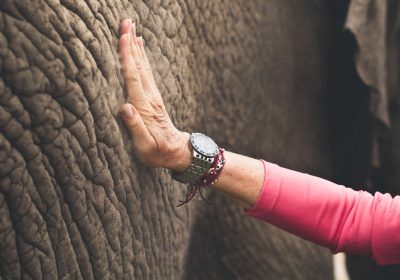
Volunteers may spend time observing, monitoring and supporting the care of rescued wildlife, but direct contact with animals is not part of the project. Physical interaction is only permitted in rare situations and only when specifically directed by the experienced sanctuary staff. This approach helps ensure that the welfare, safety and natural behaviour of the animals always comes first.
At Oyster Worldwide, we carefully assess all wildlife conservation and animal welfare projects to ensure they meet high standards of responsible volunteering and ethical animal care. We also make sure volunteers understand key principles of good practice before joining projects that involve animals.
To learn more about our approach, please read the animal welfare policy.
Whilst late-availability is possible, we would advise booking as soon as you can to guarantee your ideal dates. Our projects are very popular and spaces can fill up several months in advance, especially for the months of July August and January and February.
We are an approved activity provider for the Duke of Edinburgh’s Award. You are able to put the time that you spend volunteering abroad on this project towards achieving your Gold Duke of Edinburgh’s Award. We are happy to sign off your completion of this programme to show that you have achieved the Residential section of the Gold Award.
Yes, return transfers to the airport can be arranged by the sanctuary team once you are on site.
The return transfer is not automatically included in the project price, as many volunteers choose to continue travelling in Thailand after completing their wildlife sanctuary volunteering experience. With volunteers arriving and departing regularly, there are often others heading back to Bangkok or the airport around the same time.
This means volunteers can share a transfer and split the cost, which helps keep the journey more affordable.
Shared transfers are also encouraged as they reduce the environmental impact of travel, while making the journey back easier and more sociable for volunteers finishing their time at the sanctuary.
Thailand has a tropical climate, so you can expect a mix of sunshine, warmth and occasional rain throughout the year. Even during the wetter months, rain often arrives in short bursts and rarely prevents volunteers from taking part in the wildlife sanctuary activities.
The sanctuary operates year round, so you can join the project in any season depending on the type of climate you prefer.
As a general guide:
Cool season
November to February
Temperatures approximately 15 to 30°C
Often considered the most comfortable time to visit, with warm days and cooler evenings.
Hot season
March to June
Temperatures approximately 30 to 45°C
The hottest time of year, when work can feel more physically demanding but the days are typically very sunny.
Rainy season
July to August
Temperatures approximately 25 to 35°C
Short tropical showers are common, but they usually pass quickly and the surrounding forest becomes especially lush.
Wet season
September to October
Temperatures approximately 25 to 35°C
This is typically the wettest period of the year, so bringing lightweight waterproof clothing is recommended.
Many volunteers enjoy visiting during the rainy months as the forest around the sanctuary becomes incredibly green and vibrant, creating a beautiful natural setting for the rescued wildlife.
We would recommend budgeting approximately £50 a week for any snacks/ dinner out, or free time activities. Anything you spend will be on tourist activities in the evening or on your day off. Taxi can be arranged at the sanctuary and there are often organised evening trips that you can opt to take part in.
Cash is still widely used for purchases for gifts, street food and transport. There is really easy access to cash machines about 10 minutes from the centre. Cards work everywhere but we recommend a back up card incase of machine errors! Apple pay does not work in very remote areas.
You must complete Thailand’s Digital Arrival Card (TDAC) online before travelling. This form is required for all foreign nationals entering Thailand and must be submitted within 72 hours (3 days) before your arrival via the official Thai Immigration Bureau website: https://tdac.immigration.go.th/
You will also need to make sure your passport is valid for at least six months after your arrival in Thailand.
Most of our volunteers are independent travellers and you will become part of a group of people from around the world here. It is fine to travel with friends or as part of a small group too however- more the merrier!
The simple answer to this question is, yes absolutely!
It is important to bear in mind however that this may not be like other holidays that you have taken. Remember that you are volunteering, and this means that you will be put to work! This sort of holiday is a world away from sun loungers and cocktails, with our volunteers often heading home tired but immensely satisfied. If you think that you will need a bit of relaxing time on your trip too, do make sure to factor this in when your time on the project is complete.
You must have your vaccinations against diphtheria, tetanus and polio. Without these you will not be able to work on the project. You should visit your doctor or travel nurse to find out what other vaccinations you may need.
It is strongly recommended that you are vaccinated against Hepatitis A and B, rabies and tuberculosis. These are entirely optional (at your own risk) as these diseases do occur in Thailand but have not occurred at the centre. Please follow your doctor’s advice.
For any more information, including entry requirements please see the Fit for Travel website or the UK government’s travel advice page for Thailand.
There are medical facilities approximately 30 minutes from the project site. Larger hospitals can be found within 1.5 – 3 hours drive.
The centre is in a very secure and safe area and a full safety briefing will be given upon arrival. There is a safe on site for storing valuables. You will be sharing on-site accommodation with other volunteers and the coordinators live on site too.
Volunteering with animals abroad does involve an element of risk, however you will be working closely with well-trained staff throughout your time as a Thailand elephant volunteer. You will be fully trained for all aspects of the role and well-supported by local staff.
The sanctuary is about 20 -30 minutes from the tourist towns of Cha Am and Hua Hin. They are beautiful and used to having tourists frequent them. Please be aware this is a Buddhist country and you will need to cover your shoulders and upper thighs when entering holy places.
There is good WiFi at the sanctuary in the communal area. Many volunteers buy an eSIM card to access data on the move.
There is mobile phone signal at the centre and you can receive incoming emergency calls at the centre too.
Thailand is 7 hours ahead of GMT (GMT+7)
In Thailand, a mixture of European plugs and American plugs are used.
- The local village is just a short walk away and has a night market and shops
- Kuiburi national visits
- There is an on-site bar which is open until the early evening every day.
- Trips are often organised to Petchaburi, the bat caves at sunset, Hua Hin or Cha Am in the evening to see the night markets and explore.
- There is a weekly trip to a local shopping mall, particularly useful for those with specific dietary requirements
- For a night out volunteers can take a taxi to Hua Hin, which has lots of great bars and restaurants and also a night market which sells lots of cheap clothes and souvenirs.
- The Thailand animal sanctuary is located on temple grounds, so it is very easy to visit the temple and experience Thai culture on your days off.
- There are also amazing beaches just 15 miles away and fantastic hiking in the national park.
You will have evenings free and one day per week off. You are welcome to take one full day off a week as the volunteering does involves long hours and manual labour. If you want to volunteer on your day off, this is also fine!
Supervision will be fairly intensive during the first few days, when you will receive a thorough induction and work-related training. Once you are comfortable with things, you might not always have a supervisor working alongside you, but there will always be staff and other volunteers around to help, and you will always be accompanied for any high risk activities.
Staff at Oyster’s head office and in-country will be responsible for your safety and welfare while you are at the project. This will start from the moment you are picked up from the airport / your hotel until you are due to leave the project on your last day. Before and after these times, you will be outside Oyster’s responsibility and should make sure that you act safely and avoid risk. This is also true if you choose to leave the project during your time off. We will give you plenty of guidance and advice about this.
Oyster has personally hand-picked some of the best volunteering projects out there. With so much amazing choice, it can be hard to make a decision. We have written a guide to help you choose the best animal volunteering project for you.
Project Reviews
“I booked to volunteer in Thailand through Oysterworldwide and they were absolutely fantastic through every step. From making booking the trip so easy to supporting me whenever I was there, I would highly recommend Oysterworldwide to anyone!“ Ben, 1 week March 2025 “Thank you so much for everything it really warmed my heart :))) Last week, I was assigned to...
 “
“ “Thank you so much for everything it really warmed my heart :))) Last week, I was assigned to the Wildlife Center, and it turned out almost exactly as I had hoped. I spent most of the time with monkeys, especially gibbons (thank you so much for arranging this for me). I truly loved it — it was a very special and magical journey. This week is my second week at the Elephant Sanctuary. Being assigned to different elephants every day has been a completely different experience altogether. It’s hard to compare the two, but I genuinely think having one week for each is a great and very balanced arrangement.
 “Sorry for the delay. I’m so exhausted by the end of each day here that I can barely keep my eyes open, let alone check emails! ; ) It’s been SO incredible – hard but heart warming work, and the animals are gorgeous as are the teams. I don’t want to leave!!!”
 “Everything went very well, the staff were great and of course the elephant experience was second to none! Daily work was hard, especially “harvest” but very worthwhile. Transfer from Bangkok was faultless and driver v. friendly. Accommodation was fine: we were expecting basic, but had own bathroom which was great. Lots of v. useful info on My Oyster system, this helped us prepare properly. Katie was very welcoming and the tour on day 1 was fascinating, as was hearing from the founder (Edwin). Project staff were great and v approachable. Highlight has to be feeding/showing elephants! Preparing their “enrichments” was fun too. Waking up to the sound of birds and monkeys was unreal. Dogs that live on site were v sweet. Many of the volunteers are young, don’t worry about age gap…just throw yourselves into it…feeding elephants before breakfast is great, even if it is an early start! Take lots of mosquito repellent! Treat even small scratches with antiseptic cream to prevent infection …pharmacies can sell antibiotics over the counter if needed. The village has a couple of places selling nice coffee! Go on the trip to the bat cave + market: The bats are extraordinary. Take lots of photos! It’s given our daughter some gap year ideas…many of the volunteers are on a gap year travelling around SE Asia. And interesting to talk to about their experiences. Made us think about going back to that part of the world next year!”
 “My first week was really eventful, there is a lot to learn and everyday it’s something new. I am very happy here, the project is fun, the people are nice and it’s all very well organised. We are in hot season, which makes it hard for humans and animals, but fortunately we work a lot in the shade and make sure we stay hydrated. Waking up to the sounds of the animals and getting to know them is amazing. All in all exactly the type of thing I was looking for. Kind regards from Thailand! ”
 “I’m enjoying my time here at the sanctuary. The first week I worked in the wildlife area. The mornings are full on with the food prep etc but it’s great once you get to know the routines. It’s a treat to see all the different animals. The overall leaders are very passionate & enthusiastic about all their animals & they run a tight ship. The rooms, facilities & food are basic but it’s all good! ”
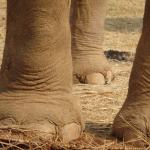 “It’s amazing here and thoroughly enjoying every minute of my experience! All the coordinators are welcoming and friendly and I get on well with them. Great getting to meet people from all over the world as there is so many people here to chat too. Can’t wait to see what the next weeks bring.”
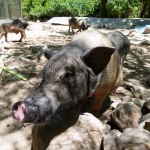
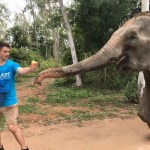 “It’s been amazing here, wildlife was really hard work in all honesty, very rewarding seeing an outrageous array of animals. Have fallen in love with the otters, the cassowary Bernie and the not so micro pigs! Just started the Elephant side and it’s truly amazing. Truly amazing trip.”
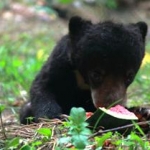
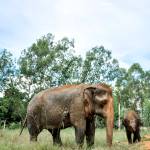 “I’m very well, quite tired but really enjoying my time here! Had a great first week, I love working with the animals, especially the bears and I also like quarantine. Looking forward to working with the elephants as well but I am very glad I’m doing 2 weeks of wildlife.”
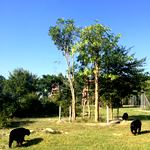 “Thanks so much for all your help. You have been amazing with the supportive emails and phone calls”
 “I’m having a great time. The first 2 weeks I was at wildlife which was hard work but fun. This week I started at elephants which has a slower pace. I love how close we can get to some of the elephants. The mahouts just open the door of the enclosure and the elephant walks out and comes to you for food. Everyone is very nice and there is a great ambiance. The first week I thought 6 weeks here might be long but as soon as you get used to the rhythm time flies. ”
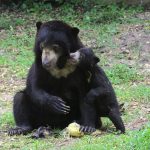 “Oh my goodness. I had the time of my life… I miss the animals sooo much right now. I’m not mad to be home, it’s kind of nice to be back in my own bed and to see my dog again but I definitely could’ve stayed way longer! I loved Thailand so so much. I’m so happy with the trip. I will definitely go back to both the country and the sanctuary!”
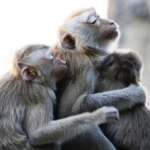 “They were extremely helpful with any questions that I had. They also managed to find a very last minute place for my friend on elephants, even when they said they were full which was very kind of them. I had the time of my life and would highly recommend it to anyone.”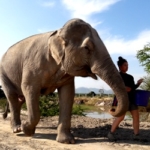
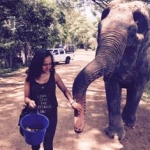
 “Never would of expected to of done anything like the project we did being able walk,feed and clean elephants was a fantastic experience it felt like we were actually doing something good instead of watching them from behind a fence and taking a few photos. Keep up the good work couldn’t recommend Oyster enough”
 “Volunteering in Thailand was one of my favorite things I’ve done in my whole life! The people I met were wonderful and getting the chance to work with all of the different animals was amazing. I am very happy with the experience – 10 out of 10!”
 “Everyone at Oyster that I spoke to were friendly and helpful in answering all my questions no matter how big or small they seemed. All the information I received in your welcome back was accurate and informative; there’s nothing I can think of that I needed but didn’t bring. I was very pleased with the communication aspect of booking through Oyster and I would not hesitate to book through them again!”
 “I quickly got into a good routine and the people there are just awesome. From the staff to the other volunteers I feel very lucky to have shared my time there with some great people whom I had a lot of fun spending time with. I think next year I will probably do another volunteer trip so might be back in touch over another project!”
 “My experience to Thailand and the sanctuary was more than I have expected it to be and all the people was friendly and very helpful. I would recommend oyster for friends and family”
 “I am so grateful for this experience!! It was the best thing I have done yet and has opened my eyes to great opportunities – I would love to go back someday. I am missing Thailand very much, and am even considering going back next year if I could. I just wanted to say thank you for helping me out with the process, you and the Oyster team were extremely helpful!”
 “I had a wonderful time! I’m not going to lie, it was VERY hard work and, in 30+ degree heat, I may not have totally appreciated just how challenging the time there would be, but it was such a humbling and grounding experience. I had no idea how much I could achieve in a day!! Being around animals and submerged in nature was absolutely incredible. Although there was a strict hands-off policy for the majority of the animals (which is absolutely right) it was just an incredible experience! Thank you Oyster for a life changing trip!”
 “It was amazing! I am missing the project already and will definitely be going back 🙂 Thanks for helping me to have an amazing trip! Oyster were very helpful and it is good to know you have that support with you when travelling by yourself. In March and April, it is the hot season, so be prepared for very hot days! Enjoy every moment of it, and get stuck into everything, you will not regret it! It can be hard work, but it is very rewarding to see the elephants and other wildlife so happy.”
 “I really enjoyed my stay and work! Even though it was pretty exhausting sometimes, I really liked all the different tasks, working in nature the whole day, and being so close to such interesting animals. The people, especially the staff, were really nice and open to every question 🙂 Thank you very much for organising and supporting me before and during my trip! I had a great time.”
 “The experience has been fantastic so far. A lot of hard work, but also a lot of fun, and I’ve met some great people. Working with elephants is just amazing, I love them to pieces. They are such an intelligent animals. I am very happy that I decided to volunteer and am taking part in this project.”
 “My trip was actually amazing! It was probably one of the best experiences of my life. I definitely want to go back next year or some other time.”
 “It was great to meet so many interesting volunteers from many countries, and there was a good social atmosphere around the centre. The meals provided by the centre were very tasty and plentiful.Volunteers are divided up daily into many small groups and assigned their specific animals to look after. Although the working days start early and are quite long, there are plenty of breaks during the day. Volunteers get one free day each week, and the staff organise various trips to beaches, spas and parks in the region.”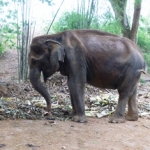
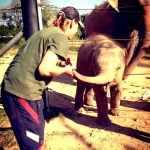 “The five weeks at the wildlife sanctuary in Thailand were one of the highlights of my trip! It’s such a fantastic place. I absolutely enjoyed my stay there. Working with other people from all over the world with the same passion, and taking care of all the animals was just an unbelievable experience and I learned so much.”
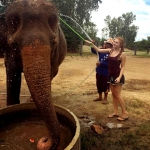 “My time was amazing – it was both what I expected and not, at the same time. It was such a good experience – the work was hard and tiring, but it was nice to meet so many people you can relate to in terms of having a passion for travelling and animals. I loved doing the work with the animals – I learned a lot whilst being there. I can’t wait to do something like it again.”
 so much to you and the Oyster team. I never would have done something like this so soon (or so smoothly I imagine!) without your help. I’ve actually been looking into your other programmes with excitement as well – I will most definitely be using you guys again.”
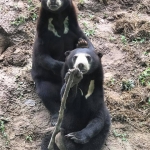 “The time we had on the sanctuary was brilliant. All the staff were really friendly and helped out wherever they could. It was so good how interactive you were with the elephants, and you really got to know their personalities. Everything went so well and smoothly, and I’m definitely planning on coming back whenever I can.”
 “The trip was absolutely fantastic and I had the best time. The staff and volunteers really made it for me, and working with the animals was amazing. It really was a great experience and I’ll treasure the memories for my lifetime. Thank you so much for your help and support in organising this. I’d definitely consider doing it again!!”
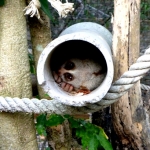 “Working with the animals was amazing. Meeting all the other travellers was really great, too. Don’t expect to know everything from the start. You slowly get into all the routines and tasks that you have to do during the day. The coordinators are very helpful if you go to them and ask for help. And have fun! Enjoy every moment of it. Thanks for everything. It has truly been amazing.”
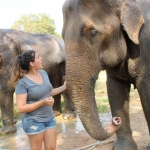 “I have had an amazing trip. Thank you so much for helping me organise it. I absolutely loved it! I would have extended my trip if I was able to. It was rewarding work in an amazing place. Extremely rewarding and eye-opening. I loved every second.”
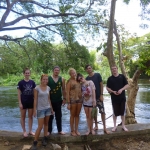 centre was fantastic! The animals were incredible, time really flew by… ”
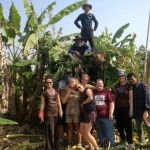 “I’m definitely going through adventure withdrawal. It’s so quiet back home with no gibbons or dogs, but I actually kind of miss it. My time in Thailand was wonderful. Getting to wash an elephant was a real highlight. It’s so much more exciting and fulfilling than just going on holiday.”
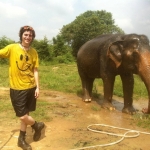 “3 months is going to be tough but worth it! So far I’ve cared for (lots of) langur monkeys, cassowary bird, tortoises, dogs, cats, and multiple types of monkeys in quarantine (^_^) I’m looking forward to working with the sun bears and leopard cats!”
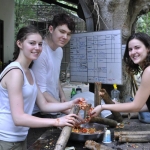 “It was difficult to adjust at first as I had to think on my feet, but this forced me to develop quick thinking skills which are absolutely invaluable in life. Highlights included meeting people from all over the world and learning about different cultures. Also being able to work in such close proximity to exotic animals. Thank you for giving me this awesome opportunity – you’ve been so reliable and consistent.”
 “My first days here have been really good. On Monday and Tuesday I worked with the bears, and yesterday with the monkeys – but I prefer bears!! Today I’m the leader of the team of the bears – I am so happy here.”
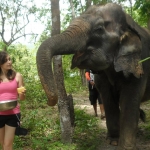 “I wanted to let you know that my first week in Thailand is almost over, and I really wanted to take the time to thank you for helping organize this amazing trip! It is such an incredible experience and opportunity. I am very grateful! Thank you!”
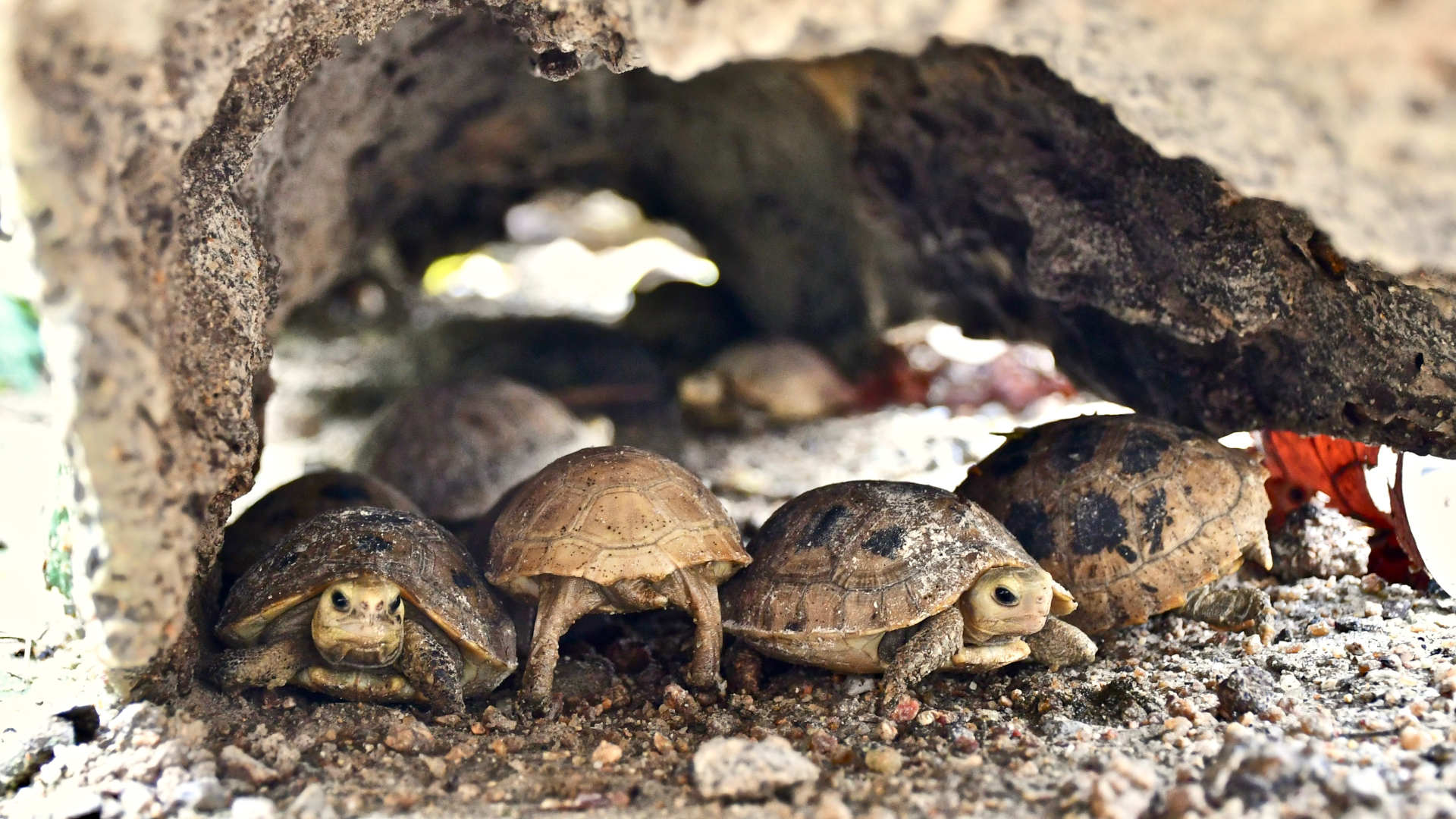
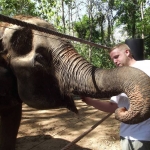 “Today I am working with the bears and cleaning out the turtles. Sarah is working with the primates and cleaning out the awesome otter! The people here are all legends and made us both feel so welcome! It’s awesome here!”
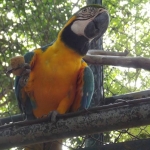 “It was an amazing experience working with the animals and meeting great people from around the world. I loved working with the gibbons the most. Other people should do this to learn about these creatures and help them rehabilitate.”
Would you like to chat to Kate, who manages this programme? Just call +44 (0) 1892 771 973 or email: – [email protected].
Ask a Question