Costa Rica Turtle Conservation Volunteering
Protect endangered sea turtles in Costa Rica—volunteer on remote beaches, assist in hatcheries, and support vital marine conservation efforts
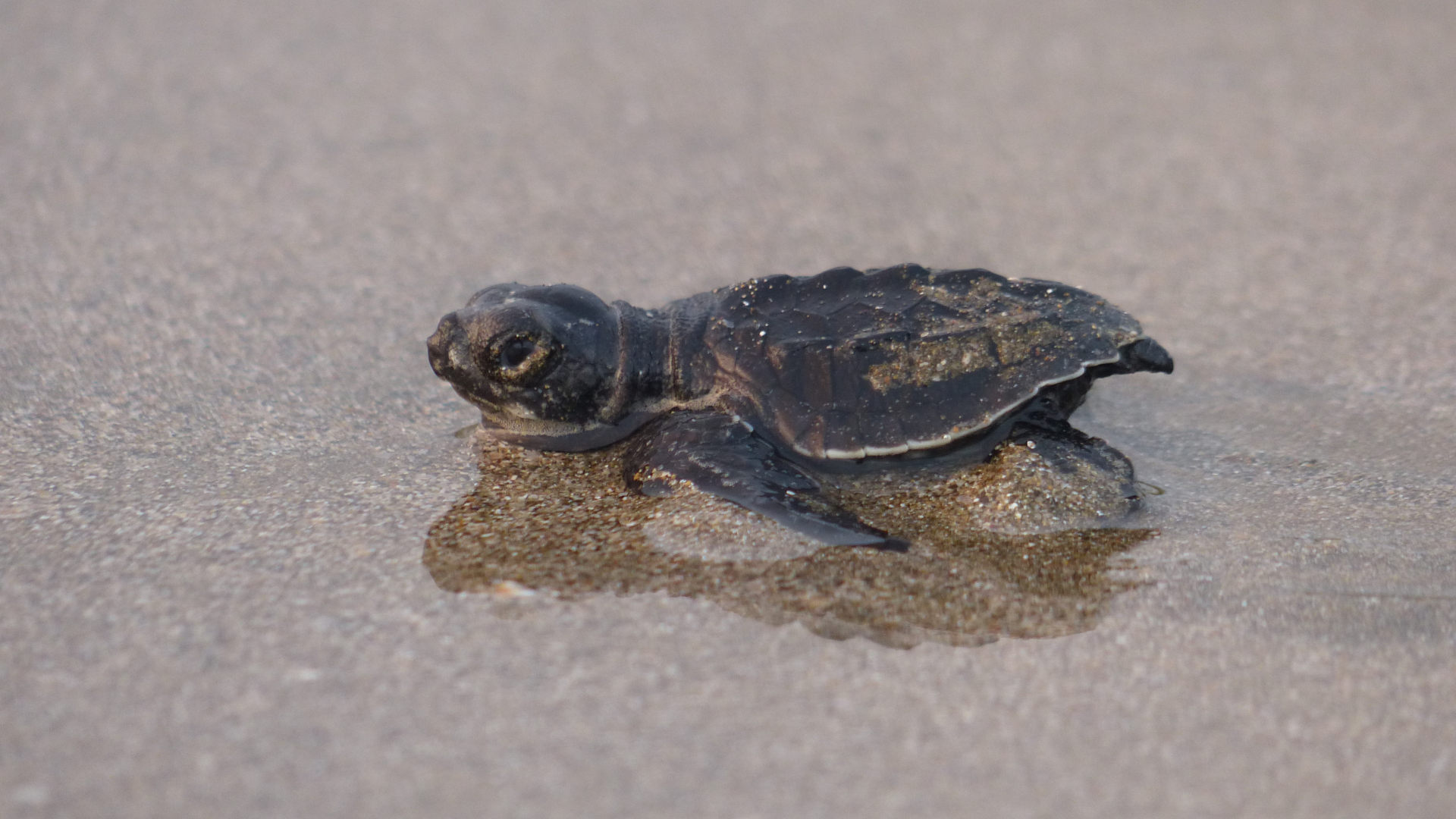
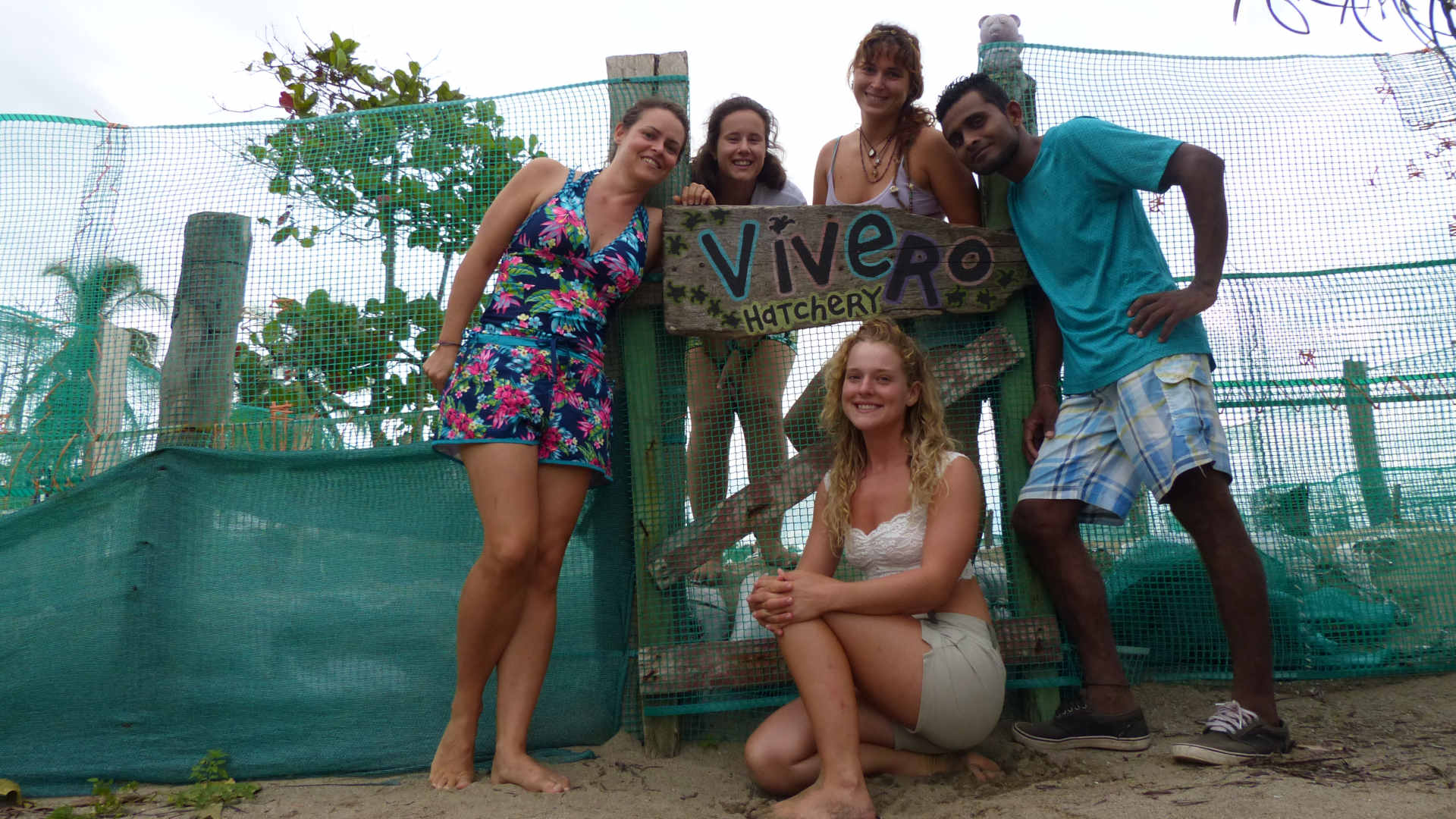
Head off the beaten track and onto a remote stretch of Costa Rican coastline to help conserve adult and baby turtles. Patrol the beach at night time to spot nesting mother turtles, and help to release hundreds of babies out to sea. Get involved in the local community, to get a real glimpse of life in rural Costa Rica.
Duration: 1 – 2 weeks
Dates: Click here for availability calendar
Arrival day: Saturday*
Departure day: Friday or Saturday*
*You should arrive in San Jose the day before and fly out the day after your volunteering time
Age: Recommended for children aged 5+
Share with friends...
Highlights
- Witnessing nesting turtles emerging from the sea at night under a glittering Milky Way
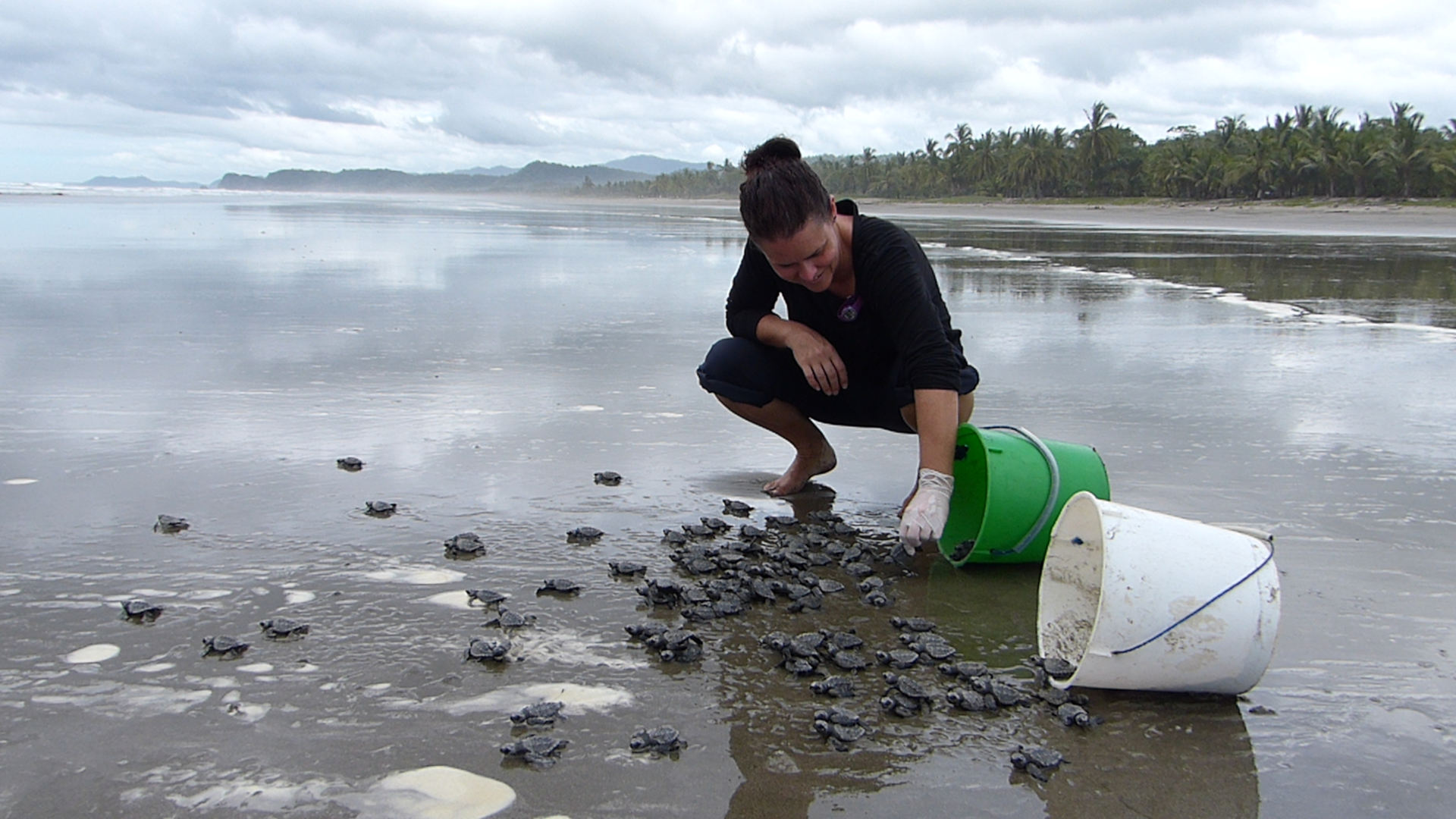
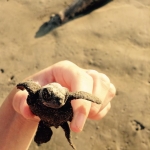
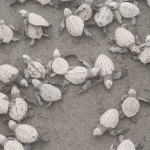
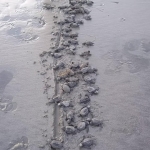
- Watching hundreds of baby turtles clamber out of their nest – and then releasing them back to the ocean
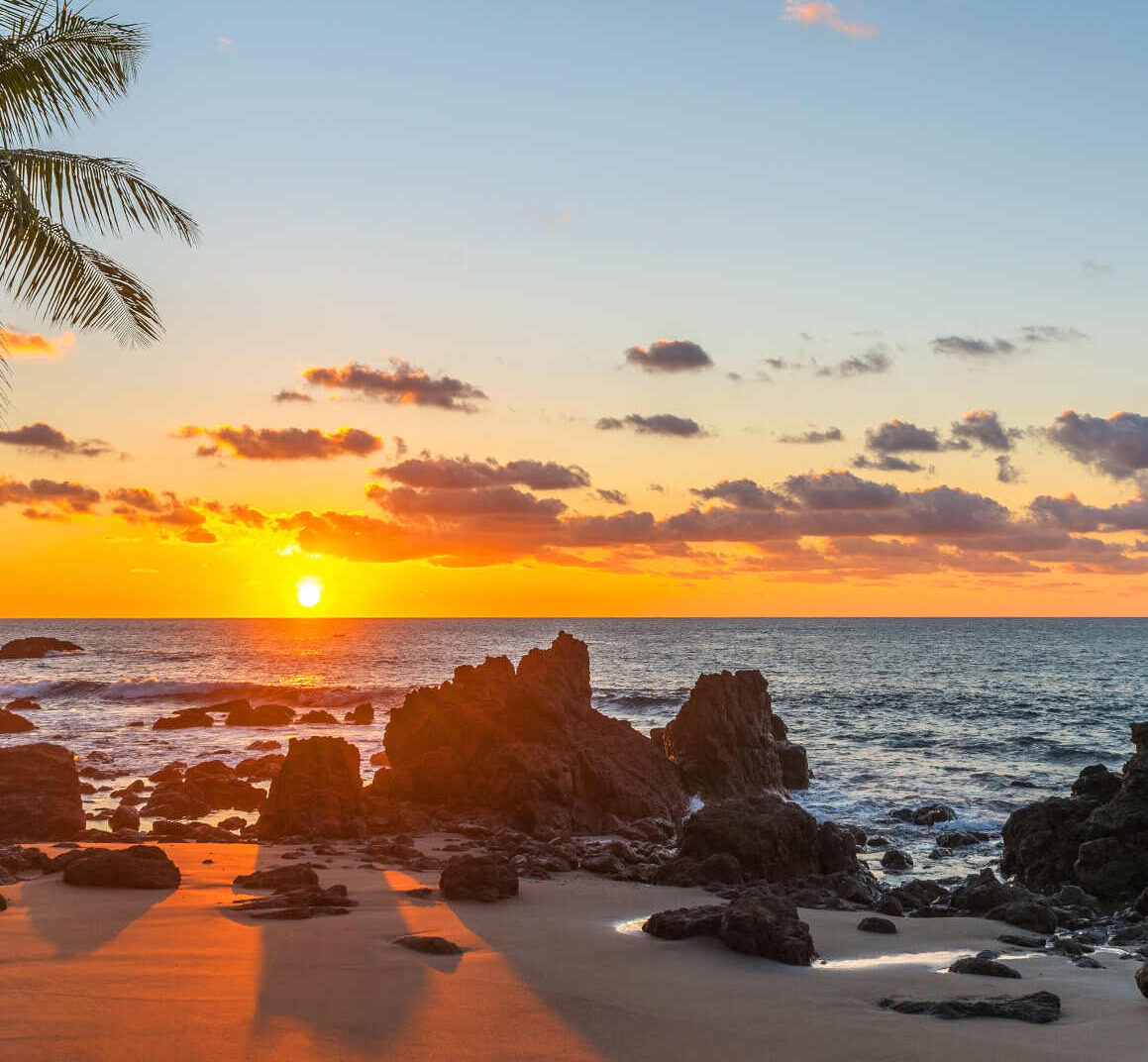
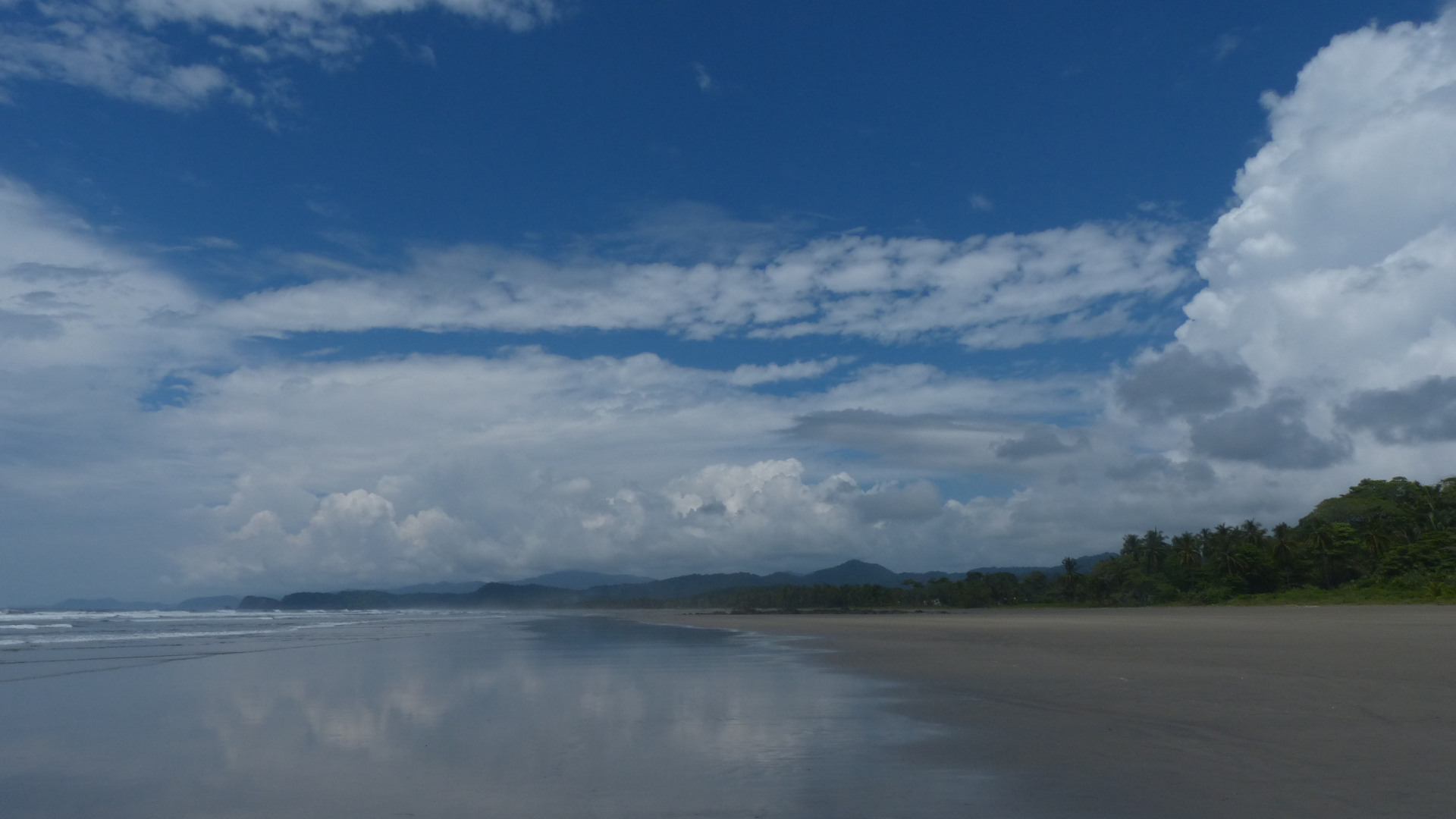
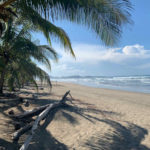
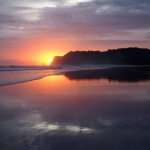
- Swinging in a hammock on a golden sand beach looking over the rolling waves
- Meeting the cooks and eat their delicious food as you are welcomed into their friendly community
- Add a conservation career course to support and apply for jobs after your trip
Costa Rica is home to stretches of lush turtle nesting beaches all along its unspoilt coastline. In such a tropical paradise, it is hard to imagine the extinction of the turtles, however the sea turtle population is rapidly plummeting. Due to natural predation from animals and severe human interference such as turtle egg poaching, industrial fishing and selling turtle shell products, all turtle species from the Pacific Coast are, to some degree, in danger of becoming extinct.
Working alongside an influential NGO, the local community and other volunteers, you will be protecting nesting turtles and their eggs, and ensuring that more adult and baby turtles can make it safely to the sea. The hard work of volunteers over the past few years has resulted in the survival of thousands more turtles.
What will I be doing?
As a Costa Rica turtle volunteer, your project tasks can include, but are not limited to:
- Beach patrols and data collection
By night you patrol the beaches, watching for nesting turtles coming up out of the sea. This is an incredible sight – one which many volunteers will never forget. Research and measurements on the turtles are recorded, and the eggs transported to a hatchery, where they can hatch in safety. This all takes place under the Milky Way, seen in incredible clarity due to the lack of light pollution ( beginning of season and through to November). - Working in the hatchery
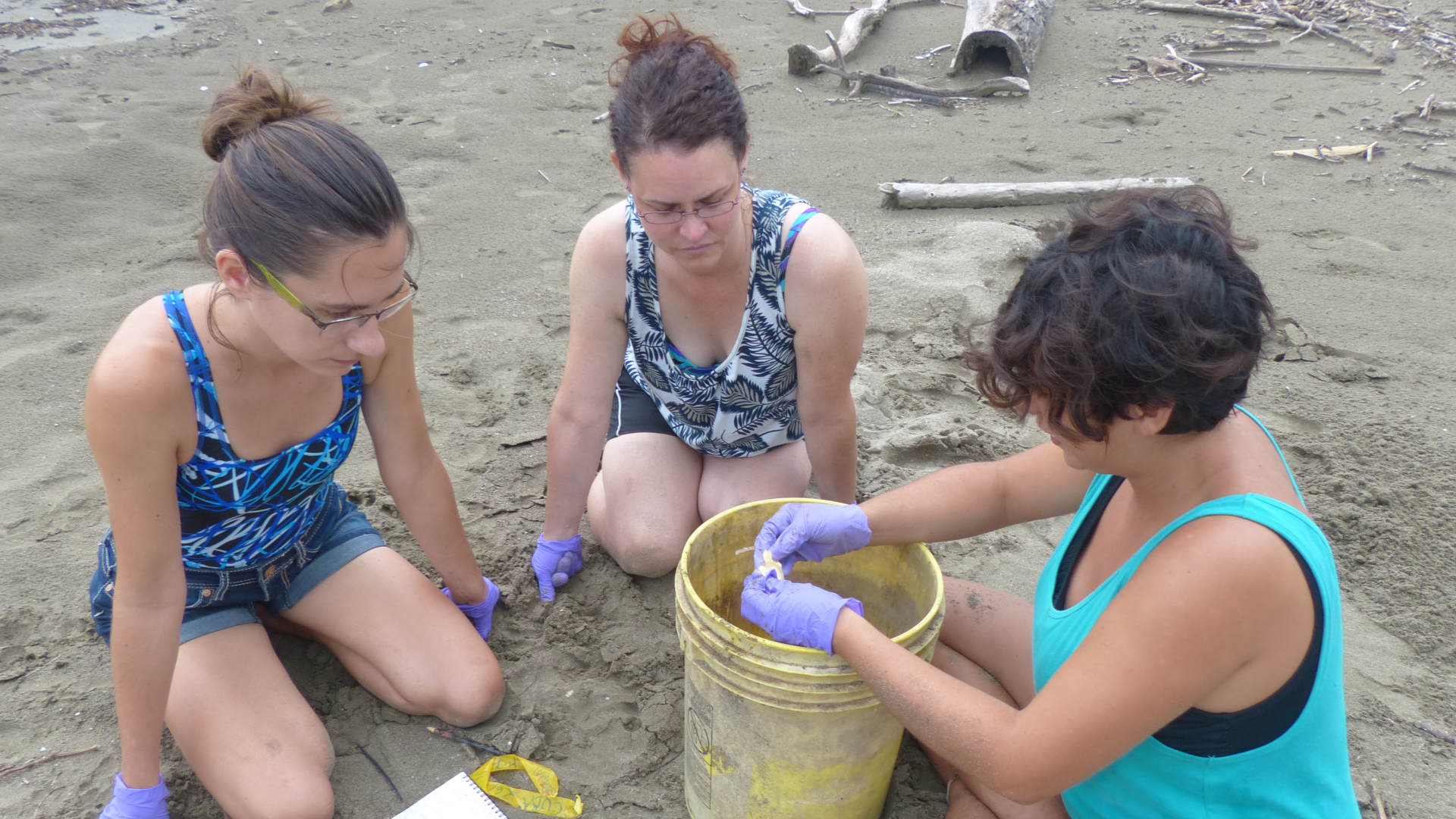
By day and by night you check the hatchery for hatching turtles. As the turtles hatch, you collect data on the incubation period and hatching success rate. The research is linked to a worldwide study, and helps with global campaigns to end industrial fishing close to land. Baby turtles generally start hatching from mid August onwards. - Helping around your new home
You will also be asked to do a few chores around the project house to keep it clean and tidy. Local children often pop by to practice their English and coax you into some of their games – you are encouraged to join them! - Conservation projects
An important role for you as a sea turtle conservation volunteer is preserving the turtle’s nesting habitat and educating local people about the importance of this task. You can be helping with beach and land clean ups, teaching local children about sea turtle conservation, helping with a reforestation programme and assisting with any ad hoc research and data collection tasks. There is also the opportunity to travel to a local fishing village to learn about sustainable fishing, have lunch with the locals and take a mangrove tour.
- One night’s accommodation at a guest house in San Jose at the beginning and end of your project
- Simple beach accommodation in airy Costa Rican houses or main station house
- You will be sharing a mixed room with up to 2-4 other people
- Shared bathrooms with refreshingly cool showers!
- 3 meals per day provided at the project site
- Breakfast is a DIY affair – cereals, fruits, pancakes, toast, spreads etc
- Lunch and dinner are prepared by the local community- a mixture of traditional Costa Rican foods as well as more western influenced foods
- The staple diet is rice and beans, although you will also find a lot of meat, especially beef and chicken, salad, tortillas and soup
- The project caters for all dietary requirements, however please remember that you are in a very rural area and the same products that you are used to back at home won’t be available here
Why not enhance your journey to the turtle conservation project with a mini tour of western Costa Rica?
Our tours offer the ultimate blend of adventure, conservation, and cultural immersion, and they have been crafted with you in mind, with drop offs at the volunteer project site included at the end! Do have a read through the options linked below and if you have any questions, we’ll be happy to help:
- Oyster’s 5 day budget tour (designed for solo travellers, friends or couples)
- Oyster’s self drive 9 day tour (designed for families – minimum of 2 adults)
- Oyster’s 9 day transfers included tour (designed for couples and friends – minimum of 2 adults)
Oyster does not include the cost of transfers to/from the project in our price, as we have found that many travellers do some more travelling before/after their time on the project. Alongside tours, we also offer a range of transfer options if needed, please read below to find out more:
Full Transfer Package
For the full transfer package, you must fly into San Jose the day before your volunteering starts, and fly out of San Jose the day after your volunteering ends. The cost is £395 return per person or £198 per way per person. This includes:
- Arrival in San Jose: Friday. You will be collected from the airport and transferred to a guest house in San Jose for your first night.
- Transfer to project site: Saturday. Collection from guest house followed by bus transfer from San Jose to nearest town – this takes approximately 5.5 hours. At the end of your bus journey you will be driven one more hour to the project site.
- Departure from project: Friday. Transfer back from project site to San Jose, where you will stay in the same guesthouse again, ready for your flight the next day.
- Departure from San Jose: Saturday or Sunday. You will be collected from your guest house and transferred to the airport.
*please note this can also be arranged as a single journey, for half the price (£198) of the return
Private Car Transfers:
We are also happy to arrange private car transfers from major tourist destinations in Costa Rica. Please refer to our price list below. These prices are based on the price of a car for up to four people (depending on how much luggage the group has):
| DESTINATION / LOCATION | TOTAL PRICE OF TRANSFER (GBP) |
| San Jose city | £350 one way |
| Liberia airport (LIR) and Liberia city | £210 one way |
| Tamarindo | £210 one way |
| Manuel Antonio National Park | £420 one way |
| Jaco | £320 one way |
| Nicaragua border | £350 one way |
| Monteverde | £260 one way |
| Arenal/La Fortuna | £330 one way |
| Santa Teresa | £220 one way |
Travel arrangements
Airport: San José (SJO) or Liberia (LIR)
Project location: Nicoya Peninsula, around 6 hours from San Jose and 3 hours from Liberia. See project location.
Arrival at project site: Saturday (recommend arrival around midday)
Departure from project: Friday
Getting to and from the project site: Transfers to the project site are not included in the price, as many travellers choose to do a tour before they start their volunteering – in which case you would be dropped off at the project site at the end of the tour. We can however arrange a variety of transfer options from San Jose, Liberia and most major tourist destinations in Costa Rica – see above.
Supporting You
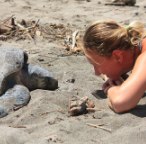
On our Costa Rica turtle conservation project, you will be well looked after by our team on the ground. Working with expats and locals means that you will be well supported both culturally and linguistically! Friendly, passionate and enthusiastic, they will help you to settle in to your new way of life.
Included
- Access to your own personal ‘My Oyster’ account – our online portal where you can find out much more about the program and manage your booking
- Dedicated contact time with an experienced destination manager to discuss the project, answer any of your questions and for us to find out more about you
- Help and advice from our UK office before arrival and whilst you are away
- Pre-departure information covering medical, safety and project advice
- Gold level, 24/7 Pharos crisis management and incident support cover
- Financial protection: ATOL (if we book your flights).
- Thorough orientation on arrival
- In-country support
- Accommodation (see the ‘accommodation’ section above for details)
- Advice on visa requirements
- Oyster plants a tree in Africa with TreeAid to help reduce the impact of global carbon emissions
On your return:
- Welcome home pack
- Certificate of Recognition (on request)
- References (on request)
Not Included
- Flights – as an ATOL bonded company, Oyster can book flights for you
- You need a valid passport that meets the requirements of the country you will be travelling to
- Insurance (covering your time with Oyster and any planned independent travel)
- Any costs associated with changing your return flight date if you need to
- Independent travel costs
- Home country travel costs
- Spending money for additional trips, food and entertainment
- Return transfers from the airport to the project site – our optional package includes 2 nights at a guest house in San Jose (see ‘Travel Arrangements’ above)
- If you will be flying through the USA you need to comply with US regulations – make sure you have an ESTA (Electronic System for Travel Authorization) at least 72 hours before you leave
- Departure tax from Costa Rica is $28. This is usually included with your flight but do check with the airline
FAQ's
The main aim of the project is to increase the number of baby turtles that will survive from each nest. It is generally believed that, for every 1000 turtles born, just two will survive until adulthood. Through aiding the hatching process and making sure that the baby turtles make it to the sea safety, the volunteers are helping to reduce that staggering statistic.
The predominant role of the volunteer is the exciting nightly beach patrol. The beach patrol is generally organised into two shifts of about 3 hours and timings change depending on the tides.
The number of turtles that are born and that survive is on the decline. At the beach sites where turtle eggs are protected in hatcheries, approximately 80% of the eggs hatch and make it to the sea. In sites where there is no hatchery, maybe 15% of the eggs will hatch and make it to the sea. In beach sites with no protection whatsoever, the survival rate is even less. The difference here is quite staggering.
Turtle eggs, once laid, are at risk from all sorts of factors. Nests are endangered by racoons, coati, termites and skunks, and if it manages to make it to fruition, the baby turtle’s effort to reach the sea is often scuppered by vultures and crabs! Volunteering in Costa Rica means that you can help increase the number of turtles hatching and hence prevent a beautiful species from becoming extinct.
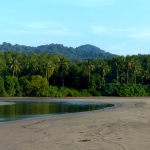
The beach is located on the Nicoya peninsula and has a small local community of approximately 100 inhabitants. It is rural, rugged and beautiful, stretching over 4.5km along the Pacific Ocean. To one end of the beach is a river that separates the paradise beach project and the tropical beach project. To the other end is a beautiful estuary facing on to a small fishing port. This is a very small rural community and you should not expect nightlife, shops or supermarkets here – which is all part of the project’s appeal.
The beach itself is absolutely stunning and you will certainly find that you spend a lot of time here! You will see some amazing wildlife around here too – the crabs scuttling across the beach look very amusing en masse! You will also see lots of bright insects, iguanas, bats and the friendly village dogs.
Visiting this project is a fantastic way to understand different way of life, practice a bit of Spanish and really integrate with the local community.
- Beach patrols: Beach patrols take place at night time as this is when the turtles come out to nest. Patrols usually last up to 3 hours- they include walking up and down the beach looking for turtles and nests, recording data, taking the eggs to the hatchery and releasing baby turtles into the sea.
- Hatchery monitoring: You will spend about 2 hours per day monitoring the hatchery, and this can be in the daytime or the night time. In busy times the hatchery is checked hourly for new babies emerging.
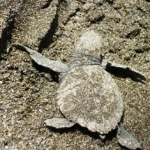
- Releasing babies: This is an extra ordinary event to witness as you set little babies on a path to survival – which has of course been increased by your efforts! When all babies have emerged into their mesh protection circle, they are collected and counted and an average of 10 are weighed and measured. They are then released under the watchful eye of volunteers as they make their own way for the last couple of metres into the great ocean
- Writing up data / cleaning equipment: You will spend some time each day writing up the data collected on the previous night’s beach patrol, and cleaning down the buckets, gloves and other items used on the patrols.
- Nap time: Most people find that they like to take a nap at some point during the day. As your night’s will be slightly disrupted with the beach patrols, it is good to get in some extra sleep during the day.
- Free time: Meals are served three times a day, and in between these you can explore the coastline, the rainforest, chill out in a hammock with a book and drink fresh coconut juice straight from the coconut. Village communities are centred round the football pitch, so there is plenty of opportunity to get involved with local games. You will find that you live a very laid back Tico lifestyle. Local trips can be arranged in advance of the day you want to travel. Sponsor a turtle or a nest and paint a personal sign – the team will give you updates on your hatchling date or if your turtle returns to nest again! Please note the ocean on this coast is strong and there are often riptides. Perfect for surfing but we recommend you go no deeper than waist height when standing. There are no lifeguards as this is not a tourist beach.
Are you looking for paid work in the conservation sector after volunteering or interning? Oyster have teamed up with our friends at Conservation Careers who support people to find paid work in conservation following study or a career change. You can add their fantastic and flexible course to your volunteering trip with Oyster. Your Oyster experience will help add interest to your conservation resume as an eye catching addition to your job applications in future!
If you’ve ever thought to volunteer abroad with animals or indeed volunteer sea turtles themselves, then this is the project for you.
The sad fact of the matter is that the turtle populations around the world are plummeting. Costa Rica turtle conservation gets you stuck in to actively protecting these vulnerable creatures. To volunteer with sea turtles, protecting adult and baby turtles, is not just an important thing to do, it is also a step in the right direction to preserving this species for generations to come.
The setting of these projects comes in a close second to why you should do this. Several of our volunteers over the years have chosen to travel Costa Rica either before or after the project- and each one has said that the project beaches were the most stunning that they have seen in the entire country. Patrolling the beach under the Milky Way, relaxing in a hammock beneath the palms, releasing baby turtles out to an azure sea… the location just makes this project unforgettable. Despite this beauty, the oceans have been filled with plastic and a lot of this washes up on the beach. It is amazingly satisfying to take part in the weekly beach clean up patrol.
Any time the project has availability is a great time to visit, as it opens to volunteers during the nesting season which is from July until December. You can see all of the start dates on the availability calendar here.
Be aware that there aren’t usually hatchlings until at least mid August, but the laying season is still a very rewarding time as you get to see mother turtles up close and collect those precious eggs. Likewise, there are few nesting turtles at the very end of the season but the hatchlings are popping out regularly! In the middle of the season (Sept/Oct) there are plenty of both.
You can use the info below as a simple guide:
- July- August: This is when the mother nesters begin their journey up the beach to bury their eggs.
- August – October: Green season. Generally high temperatures (20 – 30°C) with sunny mornings and wet afternoons. This is the peak time for nesting turtles, and baby turtles start to hatch from late August onwards.
- November – December: End of the green season / beginning of the high season. Generally high temperatures (20 – 30°C). It can always rain in Costa Rica, but there is generally a bit less of it in November and December. You can generally see nesting turtles into December, although the majority of sightings will be the babies that you are releasing.
Pacific Coast
| Turtle | Month | Location |
| Leatherback Turtle | October – February | Playa Grande in Las Baulas National Marine Park, Ostional Wildlife Refuge |
| Pacific Green Sea Turtles | October-February | Playa Naranjo |
| Olive Ridley | July-November | Ostional Wildlife Refuge, Santa Rosa National Park (Playa Nacite) Camaronal Wildlife Refuge |
| Hawksbill Turtle | All year | Playa Grande in Las Baulas National Marine Park, Ostional Wildlife Refuge |
Caribbean Coast
| Turtle | Month | Location |
| Leatherback Turtle | March – July | Tortuguero, Cahuita National Park, Manzanillo |
| Green Sea Turtles | June – October | Tortuguero |
| Loggerhead | July-October | Tortuguero |
Learn Spanish remotely before you travel with our wonderful Oyster representative in Ecuador, Monika. Monika is a qualified teacher of Spanish and for many years she has been helping volunteers to improve their Spanish abilities. She is happy to teach any level of Spanish ability, from complete beginner to someone who has a good grasp of the language.
Price guide and details:
- Whatever your ability, Monika will tailor a teaching programme around you
- Lessons are mainly based around what would be useful for life as a volunteer in a Spanish-speaking country, although can be amended to your preferences
- Lessons are conducted online and you must have access to a laptop and internet connection
- Lessons are 2 hours each and take place twice per week
- Lesson scheduling is flexible around your availability. Monika is available between 11am UK time and 2am UK time each day.
- 8 hours of teaching (2 weeks of lessons): £150
- 16 hours of teaching (4 weeks of lessons): £275
- 24 hours of teaching (6 weeks of lessons): £400
- 32 hours of teaching (8 weeks of lessons): £525
If you are interested in learning Spanish with Monika, please let us know on your booking form.
Whilst late-availability is possible, we would advise booking as soon as you can to guarantee your ideal dates. Our projects are very popular and spaces can fill up several months in advance, especially for the months of June to September.
- Flexible: Working with nature means that things can change at the last minute – the timing of your beach patrol, the weather, dinner time. Pack a good dose of flexibility and you can’t go wrong. You will need to be prepared for interrupted sleep patterns but you’ll have plenty of time to catch it up with naps.
- Positive attitude: We can’t guarantee lots of turtle sightings, we can’t guarantee that you won’t get a frog in the shower and we can’t guarantee beautiful weather. With a positive attitude however, you can guarantee a fantastic time for yourself doing turtle conservation volunteering. The location is stunning, the project is amazing and the opportunity is unique. Embrace it all!
- Initiative: You may need to use your initiative to help on this project. The staff are there to support you, but the thinking and the action is all down to you.
- Sociable: You will be living and working alongside other people. There is lots of fun to be had together, and your free time will be filled with lots of socialising.
- Get up and go attitude: You will have lots of downtime on the project, and it is up to you to amuse yourself. If you want to take trips or do something with your day, it is up to you to arrange it and make it happen! The Costa Rican pace of life is much slower than you might be used to, so be prepared for a setback or two!
Turtles are greatly endangered around the world, and as such this project is created with their conservation and preservation in mind. There are several regulations in place to ensure that the preservation of the turtles is at the forefront:
- When patrolling the beaches at night and a nesting turtle is seen, volunteers must remain quiet and only use the red lamp on their head torches.
- When working around the nesting turtles, volunteers should remain quiet and conduct the research quickly and efficiently without disrupting the nesting turtle
- Volunteers are not permitted to touch adult turtles unless asked to help with measuring. Babies must be handled with gloves at all times.
- Eggs are transported from the site where they were laid to a protected hatchery to ensure greater hatching success rates
- On hatching, baby turtles are kept together in one space until they are all hatched to preserve their energy.
- Baby turtles are taken close to the edge of the sea for release. They must walk at least the final 10 metres to see independently of volunteers so that their muscles strengthen and their navigation is improved
- Volunteers will not interfere with the baby turtles’ progress towards the sea.
Oyster assesses projects carefully to ensure that they offer high standards of animal welfare and environmental practice. We also check that volunteers understand key points of good practice before working with animals. To find out more, see our animal welfare policy.
The village spreads, with its 200 inhabitants, along the length of its 3.2km beach. This is a very small community, and you will soon become one of the locals. The local children in particular love coming to the volunteer house to practice some English and play games.
The beach is flanked on one end by cliffs with crashing waterfalls in rainy season- there are lovely rock pools and shells to be found at this end. At the other end is a mangrove swamp and the river estuary.
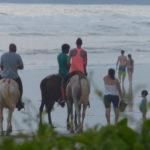
For proactive people, there are quite a few free time activities- surfing lessons, exploring the mangroves, playing football, basketball or volleyball with the locals, horse back riding on the beach or in the jungle, a trip to the local butterfly farm. In addition to these activities, the beach is beautiful- perfect for an afternoon of reading, walking or relaxing. You need to be proactive to get these things done however!
There are always fun projects to be done, including painting signs, updating the hatchery and working with the community to promote the project. Most days the local children come by for English homework help or just for a quick soccer game in the yard. The community is excited to have the project and is always willing to help when needed.
We are an approved activity provider for the Duke of Edinburgh’s Award. You are able to put the time that you spend volunteering abroad on this project towards achieving your Gold Duke of Edinburgh’s Award. We are happy to sign off your completion of this programme to show that you have achieved the Residential section of the Gold Award.
We would recommend budgeting up to £50 per week for drinks, treats and trips.
There are no cash machines at the project sites so you will need to have all your money with you for your stay. The closest access to an ATM is an hour away with no regular transport. Costa Rican Colon is not available outside the country so it is best to change some as soon as you arrive. We recommend you take US Dollars to spend on larger purchases like tours and trips.
Typically you can stay as a visitor in Costa Rica for up to 3 months, although the exact period is at the discretion of the immigration officer on arrival. If you will be flying through the USA you will need to apply for an online ESTA visa before you leave.
You should make sure your passport is valid for the duration of your stay plus 1 day.
Most of our volunteers are independent travellers and you will become part of a group of people from around the world here. It is fine to travel with friends or as part of a small group too however- more the merrier!
The simple answer to this question is, yes absolutely!
It is important to bear in mind however that this may not be like other holidays that you have taken. Remember that you are volunteering, and this means that you will be put to work! This sort of holiday is a world away from sun loungers and cocktails, with our volunteers often heading home tired but immensely satisfied. If you think that you will need a bit of relaxing time on your trip too, do make sure to factor this in when your time on the project is complete.
You should visit your doctor or travel nurse to find out what vaccinations you will need. There are no compulsory inoculations necessary for Costa Rica but check with your doctor to make sure that your Polio, Typhoid, Hepatitis A and B vaccinations are all up to date. None of the project sites are in malaria risk areas, but getting anti-malarials is up to you, as there are areas in Costa Rica where malaria is found. You should follow your doctor’s advice.
Please see the Fit for Travel website or the UK government’s travel advice page for Costa Rica.
There is a mobile medical unit that comes through the villages, as well as a hospital within an hour of the project.
Costa Rica is considered to be one of the safest countries in Latin America. It is one of the few countries in the world not to have an army! Transfers can be are included in this project, including travel to and from the airport, which means you avoid having to negotiate San Jose alone. However, if you do have time to spend in San Jose, you will find a lively and buzzing city. The guesthouse included in the transfer package we offer is based close to the city centre in a very safe area. We recommend that you return to the hotel before it gets dark as street lighting is a lot more limited than you might be used to.
At your project site you will be living in a small community which is very friendly and has known and supported this project for many years. The accommodation is lovely and right next to the beach with locks on the doors. The area is beautiful and locals love to show you the area.
The small communities where you will be living have around 200 people. They are approximately 5 hours from the city of San Jose. The closest town has the main head office, supermarket, bar and cafe. Volunteers can jump in with staff at the weekends or pre-arrange a lift.
There is good WiFi access at both beaches.
Signal can be erratic on mobile phones, best to stick to WhatsApp for calls and messages and save your data!
Costa Rica is 6 hours behind GMT (GMT -6)
In Costa Rica, American 2 pin plug sockets are used.
- Many volunteers simply enjoy chilling out in hammocks, walking the beach, swimming, surfing, helping in the local community, getting involved at the local school and playing games at the beach with the local children.
- There are opportunities to go surfing with a surf school right next door
- Horse riding on the beach or in the jungle – your choice!
- The beaches are the perfect place for relaxation and exploration as well as protecting the turtles.
- Trips to local schools in the right season – no guarantees however as there are sporadic holiday dates and exams!
- With the amazing wildlife on your doorstep, this project feels a long way from the hustle and bustle of life in busy San Jose.
- There is a tree plantation project in town which is connected to the turtle organisation and volunteers are more than welcome to help and learn about native species
- You can do local fishing trips and mangrove tours with fisherman
- Chill out in the main office in town and make sure of the shops, cafe and bar on Sundays
- Take plenty of books, cards and a board game, writing materials, beach games, bat and ball etc as there is a good amount of free time in between project duties.
- Please note the ocean on this coast is strong and there are often riptides. Perfect for surfing but we recommend you don’t go deeper than waist height when standing. There are no lifeguards as this is not a tourist beach.
Most of the turtle activities take place at night time and in the mornings, so you will find that your days are mostly free for you to explore, relax and get involved with community projects. Top tips: take things with you that you enjoy doing in your free time and be proactive!
Supervision will be fairly intensive during the first few days, when you will receive a thorough induction and work-related training. Once you are comfortable with things, you might not always have a supervisor working alongside you, but there will always be staff and other volunteers around to help, and you will always be accompanied for any high risk activities.
Staff at Oyster’s head office and in-country will be responsible for your safety and welfare while you are at the project. This will start from the moment you are picked up from the airport until the time you are dropped back there. Before and after these times, you will be outside Oyster’s responsibility and should make sure that you act safely and avoid risk. This is also true if you choose to leave the project during your time off. We will give you plenty of guidance and advice about this.
Oyster has personally hand-picked some of the best volunteering projects out there. With so much amazing choice, it can be hard to make a decision. Our Animal Welfare Destination Manager, Anne, has written a guide to help you to choose the best animal volunteering project for you.
Project Reviews
“I had the greatest time in costa rica volunteering with turtles. They provided everything i needed and looked after me thoroughly while i was with them. Incredible experience and would definitely recommend.” William, 1 week December 2025 “Thank you so much for reaching out! The days here are flying by & I can’t believe it will already be time to...
 “I had the greatest time in costa rica volunteering with turtles. They provided everything i needed and looked after me thoroughly while i was with them. Incredible experience and would definitely recommend.”
 “Thank you so much for reaching out! The days here are flying by & I can’t believe it will already be time to say goodbye on Saturday. So many beautiful memories & new experiences, I don’t even know where to start! The project is amazing for volunteers like me. A lot of different volunteer activities with the turtles but enough personal space as well. The team is amazing and my local ‘coach’ Josué has been absolutely incredible in showing & explaining me everything! Anna from the main office has been super helpful in rescheduling my transportation & accommodation when my flight was delayed & has also had great input for local excursions. The last two days it has been raining non stop (Hurricane Melissa) so unfortunately I could not join the Corazolito team in visiting a local school since the streets were muddy rivers and there was no way of getting there. But, Pura Vida’ as the locals say!”
 “Our son, Billy is having an incredible time in Costa Rica, working with a team involved in turtle conservation. Oyster were extremely helpful in managing the expectation and anxieties of both Billy and ourselves. His safety, welfare and overall care was never in doubt, despite his last minute, lackadaisical teenage admin. Oyster kept us informed throughout the process. Our other son will be going to Namibia with Oyster next year.”
 “Thank you, it was one of the best experiences in our lives! We felt so close to the nature and met many wonderful and enthusiastic people. Everything went smoothly due to your organisation, thank you for this. I’m now thinking to come back there in a couple of years with my friend, her son (he will be doing gold DofE) and my younger daughter.”
 “I will never forget this special experience, especially the first time I collected the eggs from a mother turtle. The area is absolutely gorgeous, I could live there forever. The volunteers and locals were so generous, and communicated clearly months leading up to the trip. I felt very welcomed and proud of the difference I made for the turtles. From building a hatchery to surfing, painting and improving Spanish, there was so much I learned! Thanks to Kate, Anna, Josue, Melissa, Camilla and everyone else :)”
 “Everything is going well seen lots of turtles and it is a great experience. Thanks so much for everything.”
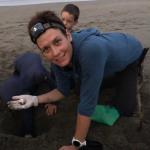 “The turtle experience was beyond Miles’s wildest dreams. He was involved in releasing more than 400 hatchlings (I think?) and was able to catch the eggs coming from two different nesting turtles in his (gloved) hand. They were relocated to above the high tide line and away from the raccoons. I am so grateful we had this experience– this combination of hard work and spectacular reward (in the form of turtles) is hard to find! Our lodging was great and the cook did her very best to accommodate Miles– not an easy task!”
 “
“ “I’ve been in Costa Rica 5 days and am well settled in. Patrol last night was in a largish group, 4.30am tomorrow, just me & local staff. We released 98 hatchlings when I got here on Tuesday afternoon! A sublime, mesmerising experience watching a turtle digging a nest then catching the eggs as she laid them, in my hand(!) b4 transferring them to a safer spot. Couldn’t put them in the hatchery as it has to be dismantled by 15th Dec when project closes for the season. Releasing hatchlings at dusk on the first and last evenings was also just magical.”
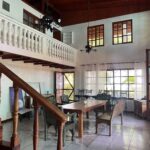 “My time in Costa Rica with my granddaughter Nieve, was wonderful. It was spectacular learning opportunity and a really special way for the two of us to build a bond: working shoulder to shoulder with a very dedicated team of researchers working with amazing animals in a beautiful place. I would recommend it to anyone who is looking for a meaningful way to get away from it all, and spend some time in the tropics. The team were warm, outgoing and very generous. I could go on and on. You have connected with an excellent team on the ground. They were all very responsive and good problem-solvers. My granddaughter is diabetic, so that posed some challenges for us (mostly anxiety on my part) but nonetheless, we were very grateful to have accommodation in the main station house at the site where there was reliable WIFI and also a swimming pool. WIFI allowed her to check in with her mom by WhatsApp most evenings. And it also meant that her mom was able to keep an eye on her sugar levels from afar. It meant that HAD there been a problem, we would have had instant decision-making backup. The pool was great for morale and our comfort. The group of volunteers and researchers was seamless, cooperative and very friendly. We enjoyed the local people we met. ”
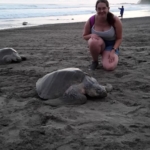 “Getting involved with actual conservation work (night patrols, hatchery work, hatchling releases etc) was a great learning experience and so much fun. The beach was absolutely stunning. So tranquil and we definitely enjoyed the simple life of doing long walks by the beach every day and every night. The moonlight and the stars were so beautiful. The local food was so delicious and nutritious. Loved every aspect of this trip. It really is a trip of a lifetime. My tips would be to bring quick drying clothes, water shoes and mosquito repellant are a must. It is very hot and humid and you will be hand washing your laundry almost every day! The sun is great for drying clothes but be mindful of the downpours! I definitely felt that my holiday supported conservation. The project employed local staff to cook for us and they arranged for the transfers too. I hope our participation helped with their conservation efforts. I would highly recommend this project for people of all ages. Project staff were wonderful and very well organised.”
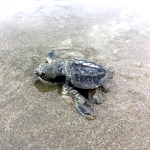 “It was a great experience – really well organised. Kate answered every query so promptly before the trip. Friendly people at the Casa and the night patrols were fun and interesting – I learnt a lot. Brilliant trip all round!”
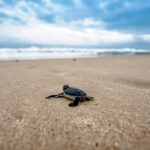 “Me and Jonty are having a really good time. All the people we have met have been so friendly and welcoming, we have loved the food and the accommodation has been amazing. We have also loved seeing the turtles and learning all about them.”
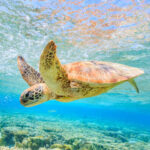 “I’ve been having such an incredible time! I’m thoroughly enjoying everything and really enjoy getting to know the people in the house, learn more Spanish and about the wildlife and turtles 🙂 I’m really loving the whole experience and being able to volunteer/help with a lovely bunch of people! :)”
 “It truly was a brilliant experience I will never forget and I have been telling people about it during my travels. Thanks again for all the help and a very well organised trip. When I do another project you will be the first people I will contact 🙂 ”
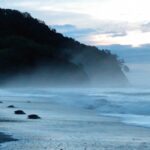 Our first night coincided with a mass laying event and we saw literally hundreds of turtles. Pretty darn amazing! It was an absolutely amazing experience that surpassed expectations on almost all levels. Big thanks for all your help along the way, it was really useful and reassuring. All the best, Dave and family! ”
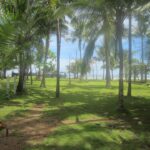 ” I’m great thanks, it is amazing here, I have really enjoyed the experience so far, the destination and people and opportunities have all been unreal! I’ve seen quite a few turtles already and this week we are prepping for the start of hatching season. Everything has been phenomenal and so much better than expected! ”
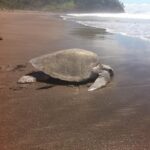 “I am having a really good time thank you. The beach is amazing and the people are so nice. We have done lots of different things and learned lots about turtle conservation.
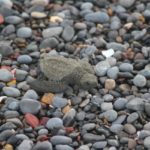 “Just wanted to contact you and thank you for all the help over the past few months. I had such a great time on the project, got to do some amazing things and will have some wonderful memories to look back on. The team were so welcoming and friendly and what an amazing place. And of course the turtles so tiny they break your heart at their strength and bravery going into the big ocean! Thanks again for your help and I have absolutely no doubt I will be back in contact for another project in the future.”
 “The experience was amazing as was helping the turtles. The friendly project staff, the amazing atmosphere, the project site…. all highlights. Go with an open mind, don’t be afraid to push your limits, be yourself and have fun.”
 “We had a very rewarding and enjoyable time.I really appreciated and am grateful for the assistance you gave to help us decide whether to go on the trip, and also to prepare for it. It really makes a difference to have someone so friendly and open to liaise with. have told members of my team about our volunteering – who knows, one of them may do the same on day – and I wish you and all the Oyster projects well for the future.”
 “What an amazing time I had in Costa Rica! The team and other volunteers were so welcoming and very easy to get on with. There were quite a few opportunities to release some baby turtles – it was great to have played a very small part in that. To watch them start their journey out into the big ocean was lovely to watch. I would like to take this opportunity to thank you for your help and for all the useful and important information you sent me.”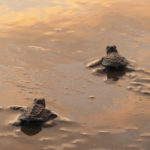
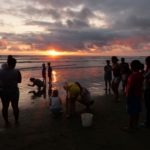
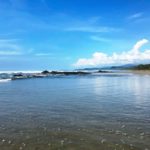 “We had an incredible time and the people we worked with were AMAZING! What a great experience and thank you for putting people in touch with superb organizations doing good in the world. Thank you again for the beautiful experience.”
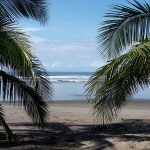 “The experience of seeing turtles nesting was incredible, especially for the children. I love the hands-on element of the project. We all enjoyed being able to handle the eggs and help dig the hole in the hatchery, and help with the release of the hatchlings. We were really lucky to see a few turtles and two lots of hatchlings and it was definitely a positive experience. Costa Rica itself is so beautiful and Playa San Miguel was a magical place to stay.”
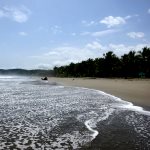 “Each night we’d walk up and down the beach remaining alert for turtles in which case we’d collect the eggs and relocate to the hatchery to improve their chance of survival. The nights are so clear you can see the Milky Way! As much as the atmosphere, environment and rewarding purpose of the trip exceeded all expectations it was the friendships I made that were the highlights. Everyone in the project, staff included, were extremely kind and interesting people and each one has made a lasting positive impression. ”
 “I have been singing your praises already and so many people have already asked me for the link to your website. Ibelieve a lot of people are looking for something different for their holidays, however, want to do it in a safe and organised way. I feel that Oyster offer all of that. At every point of that experience, I felt safe and secure and knew that there was someone I could ask if there was an issue”
 “Thank you for all your help and assistance leading up to the trip and support throughout. It was an absolutely amazing experience and we were so lucky with the weather and other volunteers! It was so beautiful and we’re definitely missing Costa Rican life a lot more now we’re back. The people were so welcoming, the food was delicious and the general atmosphere was lovely.”
 “The highlight was the volunteer work itself – watching the turtles nesting, collecting eggs and seeing babies hatching!Experiencing the Costa Rican lifestyle including the wide variety of home cooked food, playing volleyball with the locals, horse riding and exploring the beach and surrounding areas.Meeting lots of new people and working effectively as part of a team, knowing that you’re making a difference and helping a very worthwhile cause.”
 “I absolutely loved the hands on experience with the turtles, I didn’t realise how much I would be able to do only being there for a week. The accommodation exceeded my expectations by miles and the location was beautiful .The arrival in the country was also very efficient and put me at ease. The ‘My Oyster’ account had everything you could think of needing.I think it was an amazing experience”
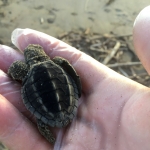 “The beach was totally beautiful. The thrill of turtle tracking in the wild is exhilarating. The bond between volunteers is robust. Seeing fireflies, stars, watching pelicans catch fish in the wave breaks, squirrels eating coconuts, iguanas ..all amazing. Maybeth and Gabriella cooking: delicious. Overall, we had an experience which was FANTASTIC.”
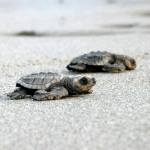 “The experience was one I can’t describe I was lucky enough to not only see multiple adult turtles but also hatchlings. I felt completely involved and was allowed to do hands on work that I never thought I would have had the opportunity to, such as handle the eggs and personally release hatchlings. All the locals were so friendly and always tried at the limited conversation we could have (due to language barrier). I thoroughly loved my experience with the turtles and all the people involved, only wish I had gone for longer now.”
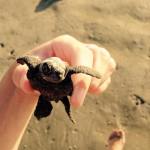 “We had an amazing trip. Our children absolutely loved being there, learned so much, and had an experience they’ll always remember. We did a little exploring on our own and some with a guide. The food was really good—better than expected. The staff was superb, and especially good with the kids, who jumped into the work and felt like they were contributing. So thanks again. We will definitely be looking to Oyster again for another family trip.”
 ” The second night was incredibly fascinating: after maybe 15 minutes patrolling we spotted a turtle right about coming out from the sea; we stopped and followed her in the whole process of walking up the beach, finding the right place, digging into the sand to create the nest and the laying the eggs! A total of 142 eggs! ! It was really fascinating and a big emotion to follow the turtle in doing that, the effort that all this required to her, you could hear her breath for the effort she was making”
 “I would rate my experience during the whole thing as incredible as it was very suited to my values and ethics. Being a sport lover, playing volleyball or football on the beach with the locals every night was great fun and also surfing everyday. The work with the turtles was very rewarding especially when you release a nest of hatchlings. If you love a really relaxed atmosphere, meeting new people, and helping a species’ population then you’ll love it. It’s a great break from normal fast pace life, just bring lots of books!”
 “I’ve had such a fantastic time, I’m taking many good memories away with me. It was a great opportunity to meet new people, experience new surroundings and a new culture, and gave me a confidence boost for travelling on my own! And of course, seeing the turtles come up to nest and the hatchlings going out to sea will be experiences I will never forget. Along with all the other wildlife I got to see, it was very cool. Thanks for all your help with organising my trip – it was a great one.”
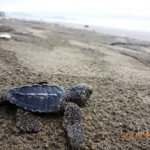 “A highlight was definitely encountering nesting females on night patrol and collecting the eggs as she was laying them. Also releasing hatchlings was amazing every time. I got an opportunity to spend time in a fantastic environment, contributing to a conservation effort and to have a unique overall experience. A very well organized programme.”
 “The experience was filled with great people and lasting memories. A highlight was meeting amazing people and getting to experience a Tico lifestyle. It’s a great way to experience something way out of your element. It helps you grow as a person and figure out who you are.”

 “
“
 “Being able to watch a turtle come onshore to build her nest and lay her eggs and then collecting the eggs was incredibly rewarding and honestly a once in a life time experience. You really feel as though you can make a difference to the species and, as a geography student, I gained so much valuable knowledge about the species and conservation which I can use later at university”
 “It is an amazing opportunity to get involved in something which is making a real difference. It gives you a new sense of life. Once you have done it on your own you feel like you can conquer anything. I can’t fault Oyster; so quick to respond to questions and so polite on the phone!”
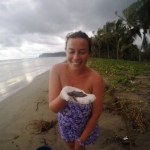 “The amount of hands-on work I experienced with the animals was far better than I imagined it would be. The highlights were getting to watch the female turtles’ nesting process on the beach, releasing hundreds of hatchlings in to the ocean and the people I shared the experience with. It really is a once in a lifetime experience, and I wish more people could learn about the conservation work the dedicated people out there do every day.”
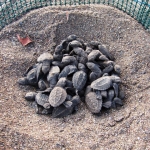 “I wasn’t sure what to expect before arriving in Costa Rica. Once I had got there, the people, the area, the culture, everything in general was amazing. It was a complete culture shock. It was nice to see how people live on the other side of the world; it makes you really appreciate what you have back at home.”
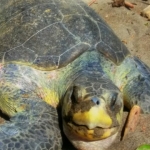 “My highlights were seeing a turtle on my very first patrol and putting the eggs into the hatchery, meeting people from a range of backgrounds and creating some great friendships.”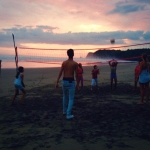
 “
“ “It was amazing and totally worth it. Other activities like the butterfly farm, hiking and visiting town made it all an unforgettable trip that proved very worthwhile. Our leader Alex was great and helped everything run smoothly. I especially have to say that as a vegan the food was great, Marbeth in particular was very accommodating so I was happy there! The other people were great and I enjoyed our nights in San Jose too so what a fab trip I feel very lucky.”
 “I am having a wonderful time. Initially it did take a bit of time to settle in and get used to the slower pace of life. However, I have now become more accustomed to the routine and have made great friends. I have really enjoyed keeping busy in the day with lots of activities. This week, I have been kayaking, tried yoga, played volleyball and visited the butterfly farm! Trips to the local town have also been a highlight, along with having really great traditional food.”
 “I had such an amazing experience volunteering for a week in Costa Rica at a sea turtle conservation project! I met so many great people along the way and also got to save some turtles. Thank you so much for helping and making this whole experience very smooth and easy.”
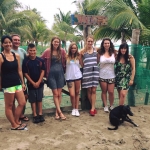 “These past 10 days or so have been the best so far of my life, volunteering in Costa Rica was a dream come true. Literally had the best time ever in Costa Rica saving the baby turtles, and met some of the best people. Can’t wait to go back! It was a great experience and we can’t wait for next year!”
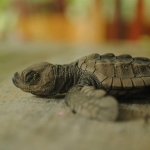 “I had the most amazing time and am most definitely missing my time there. Fab project and really lovely group out there at the same time as me. Thank you so much”
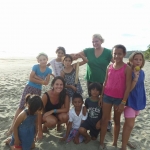 “Just got back from an amazing 3 weeks in Costa Rica working with turtles. Loved every minute, even the rustic camp which was certainly an experience! Looking now to find my next project.”
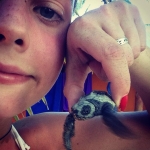 “Costa Rica was so amazing and I miss it very much, especially the sun! We saw a leatherback! Which was obviously absolutely amazing.”
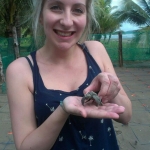 “Enjoyed the time away and liked the amount of volunteering that is on the project i.e. excavations during the day and patrols at night. Spotting and saving my very first baby turtle during excavations was amazing, as was carrying buckets full of babies down to the beach. We also helped free an older turtle that was tangled up in some fishing wire. It was great to feel like my actions made a difference. If you enjoy conservation and would like a chilled out stunning beach location then this project is for you”
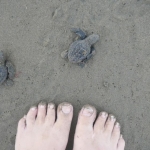 “Releasing my first nest of hatchlings at sunrise was amazing. This is a once in a lifetime experience. Just go for it and get stuck straight in!”
 “Such an amazing country and the location of the project is just so stunningly beautiful it would be impossible not to fall in love with it! Getting to see so many baby turtles released into the Pacific was such an amazing experience and to actually be a part of it made it all the more special. Just want to take this opportunity to thank you and all at Oyster for such a fantastic experience. Thank you for helping create so far the best experience of my life!”
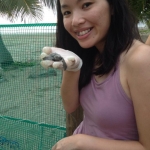 “The 2 weeks that I have spent in Costa Rica will remain unforgettable. It was a once in a life time experience. Loved it!! Working with the turtles was a dream come true.”
 “This is something I have thought about for so long and then to go and work with turtles it was truly fantastic and lived up to all my expectations. Everyone should experience something like this, something they would really like to do in life, have fun, meet new people, go places you would never think of and most of all gain the confidence to achieve anything you want. The whole process was made easy and I loved all the info I received before I left.”
 “Loved the turtle conservation and the people I met. I l
 “We loved the project and how beautiful the beach was. Really glad we took part. The turtles were great, the babies are so cute and its just amazing that any survive as they are so small. We did loads of body boarding and surfing which we loved.”
 “It was a very relaxing and beautiful beach and I learnt so much about the culture and turtles. Seeing all the baby turtles and watching them make their way into the ocean was a definite highlight! It is simply the most amazing opportunity to work so closely with with turtles and a really interesting change in culture and lifestyle, that I think everyone would benefit from trying it for a bit!”
 “This trip was very good. You feel like you are really making a difference. It’s amazing to see so many hundreds of small hatchlings being released.”
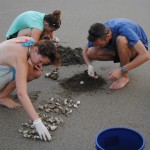 “I had an amazing time in Costa Rica. Seeing all the turtles was so cool and I even got to see the arribada. The main highlight was releasing the baby turtles back into the sea.”
 “I really miss being in Costa Rica. The independence I gained from travelling alone and being without my parents for an extended period of time was great. Likewise the friends I made whilst out there, but most importantly seeing a country I have dreamed of visiting and working with hundreds of turtles!”
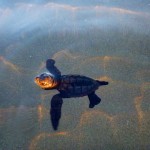 “Just thought I would drop you a quick note to say we are having a wonderful time out here! It’s a fantastic location and the people are great.”
 “I had an amazing time and would recommend this experience to anyone who’s looking to travel and help the local community. I’m so much more confident for it, I have memories that will last a lifetime and I’ve conquered my fear of flying! Thank you so much to everyone at Oyster who helped make this possible.”
 “It felt great to feel that we were making some kind of impact on saving an endangered species and it was an unforgettable and incredible experience. Thank you so much for all your unbelievable help in the run-up to my trip out, it was simply the most amazing experience, and I hope it continues to be so for future volunteers.”
 “Everything was well organised. The location was beautiful. I learnt lots and the project was very hands on. The people were really nice. Oyster prepared me for what to expect and I had all the correct gear I needed for the project. The food was great and the locals were really friendly and the other volunteers were really nice.”
 “It was certainly totally different to anything I had ever done before. It was also both fun and genuinely educational. Highlights included the beautiful location, the hatchlings, being one of the lucky few to see a pacific leatherback turtle visit the beach – the first to do so in five years!!!”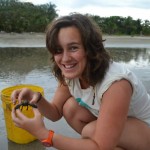
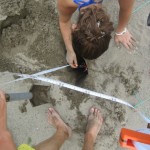 “A relaxing holiday while still contributing to a worthwhile project that allows you to experience turtles up close.”
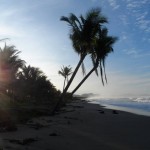 “Thank you for all your help with organising my volunteering trip, it was such an amazing experience that I will never forget. I only just missed the hatchlings two days after I left! The place is amazing. Once again thank you so much, I would definitely do it again.”
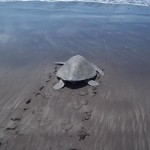 “The whole experience is something I will never forget. It’s there in my mind’s eye forever and I also have some amazing photos and video which I have shown to family and friends. It’s impossible to pick out one incident or event, but certainly my last day there, coming across in broad daylight an Olive Ridley turtle and watching her lay her eggs and then go back into the sea was really special.”
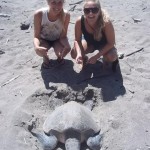 “The project exceeded my expectations. Walking along the beach at nighttime, and releasing baby turtles at sunset was such an enjoyable ‘work’ experience. Highlight was definitely the beach in itself, and working with sea turtles. After travelling around Costa Rica for 4 weeks, we actually found that the paradise beach was the most beautiful place we visited in the country.”
 “I just want to thank you for all your help and professionalism when it comes to the project we did in Costa Rica. We were really impressed at how quickly you came back to us with information and at all the information you provided us with. We really enjoyed the project, and this is something I’ll remember for ever!”
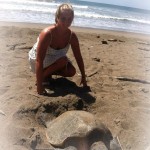 “Costa Rica is so beautiful!! The turtles are the cutest!!! Thank you for everything!! The highlights were the setting, on the beach surrounded by forest and hills and very rural. The other volunteers I was there with were brilliant and made it fun. The turtles of course were amazing, collecting the eggs and releasing hatchlings is a fulfilling experience”
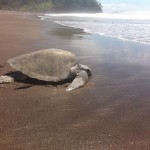 “I have had a fantastic time in Costa Rica on the turtle project. Seeing turtles nesting and releasing baby hatchlings was absolutely fantastic. The team spirit between volunteers and locals was great. During the five weeks that I was there, we collected more than 6000 eggs and released over 3000. This has been the best experience in a long time!”
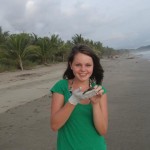 “I’m home from Costa Rica and want to thank you for everything because it was AMAZING! I had such a good time, the other volunteers were lovely and the food was fantastic and the turtles were better than I thought, I didn’t believe how much hands on experience you got with them. Thanks for everything.”
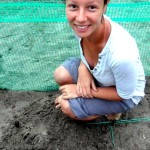 “Thank you so much for such an amazing two weeks! We both had such a lovely time and it was amazing to be involved in setting up a new project site. If you want to get involved with a worthwhile project, then this is a great project for you! The fact that I have returned to Oyster each time (four times now!) goes a long way in saying how much I have enjoyed each experience.”
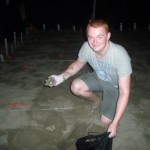 “Costa Rica is amazing!! I have had the most wonderful time here so far”
 “Just to let you know that all is going well here and having one of the most exciting experiences of my life! Have been helping to release several patches of baby turtles in the sea and the night before last saw my first turtle laying eggs! It really is such a special privilege to be able to release baby turtles into the sea. The scenery and wildlife in Costa Rica is absolutely gorgeous.”
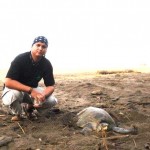 “For two whole days and nights, thousands of turtles climbed the beach of the Community Project to lay their eggs in the sand – you could barely see the sand for the turtles. We have had a very busy few days protecting the eggs – when each turtle lays a nest of about 100 eggs, the sight in November will be something to behold, with masses of baby turtles hatching daily.”
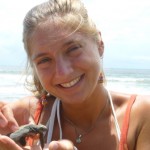 “Going to Costa Rica was my first time out of Europe, and it was a fantastic experience. I loved meeting lots of new people, getting involved in the local community, living on the beach, improving my Spanish, releasing the baby turtles back to the sea, exploring the local area… everything about this trip was amazing and I was very sad to leave at the end of the 5 weeks.”
Would you like to chat to Kate, who manages this programme? Just call +44 (0) 1892 771 973or email: – [email protected].
Ask a Question